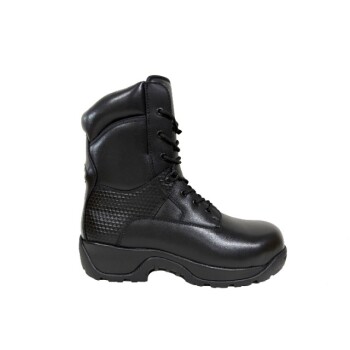
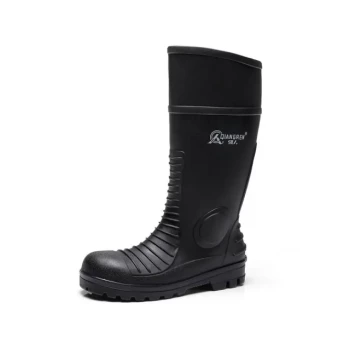
A WHS professional assessment serves as the technical blueprint for PPE selection by mapping specific site hazards to specialized equipment capabilities. This process utilizes a systematic risk scan to identify physical threats, ensuring that gear—such as puncture-resistant tactical boots or acid-resistant clothing—is precisely matched to the environment's hazard level. By aligning equipment specifications with both the threat profile and the wearer’s physical size, the assessment transforms PPE from a generic requirement into a targeted safety solution.
The WHS assessment functions as a risk-based configuration mechanism that eliminates the gap between perceived safety and actual biophysical protection. It ensures that every piece of gear is technically validated against specific workplace hazards while accounting for human factors to prevent secondary injuries.
The Mechanics of the Systematic Risk Scan
Identifying Physical Hazards
The assessment begins with a systematic risk scan designed to uncover the nuanced dangers of a specific workplace. This is not a general overview; it is a granular look at variables like chemical exposure, sharp objects, or extreme temperatures.
Selecting Specialized Equipment
Once hazards are identified, the assessment dictates specific technical requirements for gear. This might include puncture-resistant tactical boots for construction sites or acid-resistant protective clothing for laboratory environments.
Matching Protection to Hazard Levels
The assessment ensures that the protection level of the equipment is proportional to the intensity of the risk. Over-speccing can be as problematic as under-speccing, so the professional assessment finds the "Goldilocks zone" of safety.
Precision Fit and Biophysical Protection
Preventing Secondary Injuries
A critical component of the assessment is ensuring proper fit based on the wearer's size. Equipment that is too large or too small can cause secondary injuries, such as trips from oversized boots or restricted circulation from tight harnesses.
Ensuring Intended Biophysical Protection
PPE is designed to offer a specific level of biophysical protection, but this is only realized when the gear is configured correctly. The assessment verifies that the equipment will actually perform its intended function when subjected to real-world stress.
Human Factors in Configuration
The assessment views the worker and the gear as a single system. By considering anthropometric data (body measurements), the WHS professional ensures the gear does not impede the worker's natural range of motion.
Understanding the Trade-offs
Protection vs. Mobility
Increasing the level of protection often increases the weight or stiffness of the equipment. A WHS professional must balance maximum safety with the ergonomic mobility required for the worker to perform their job effectively.
The Cost of Over-Specification
Selecting the highest possible protection level for every scenario can lead to unnecessary costs and user non-compliance. If gear is too heavy or hot because it is over-engineered for the task, workers are more likely to remove it.
Static Assessments in Dynamic Environments
A primary pitfall is treating a WHS assessment as a "one and done" event. If the workplace environment changes—such as new machinery or different chemicals—the original PPE configuration may become obsolete or even dangerous.
How to Apply This to Your Project
Before procuring any safety equipment, ensure a formal assessment has been documented to justify your technical requirements.
- If your primary focus is Preventing Acute Physical Trauma: Prioritize the systematic risk scan to identify high-impact or puncture threats that require specialized footwear.
- If your primary focus is Long-Term Worker Health: Focus on the configuration mechanism to ensure proper fit and the prevention of secondary musculoskeletal injuries.
- If your primary focus is Chemical or Environmental Safety: Use the assessment to match specific material resistances, such as acid-resistant coatings, to the exact substances present on-site.
A rigorous WHS assessment turns protective gear from a passive barrier into an active, high-performance safety system.
Summary Table:
| Assessment Component | Focus Area | Key Safety Outcome |
|---|---|---|
| Systematic Risk Scan | Identifying Physical Hazards | Matches specialized gear (e.g., tactical boots) to specific threats. |
| Technical Calibration | Protection Levels | Balances safety intensity with ergonomic mobility and cost-efficiency. |
| Anthropometric Data | Precision Fit | Prevents secondary injuries like trips or circulation issues. |
| Dynamic Re-evaluation | Environment Changes | Ensures gear remains effective as workplace machinery or chemicals evolve. |
Enhance Your Safety Standards with Professional Footwear Solutions
Selecting the right PPE is a complex technical process that requires a reliable manufacturing partner. As a large-scale manufacturer serving distributors and brand owners, 3515 offers comprehensive production capabilities for all footwear types, anchored by our flagship Safety Shoes series.
Our extensive portfolio covers work and tactical boots, outdoor shoes, training shoes, and sneakers, as well as Dress & Formal shoes to meet your diverse bulk requirements. We bridge the gap between WHS assessments and actual biophysical protection by providing high-performance, precision-engineered footwear designed for the most demanding environments.
Partner with 3515 to secure your supply chain with quality-assured safety gear.
Contact our expert team today to discuss your bulk production needs!
References
- Darshini Ayton, Michelle Ananda‐Rajah. Experiences of personal protective equipment by Australian healthcare workers during the COVID-19 pandemic, 2020: A cross-sectional study. DOI: 10.1371/journal.pone.0269484
This article is also based on technical information from 3515 Knowledge Base .
Related Products
- Wholesale Customizable Safety Boots Durable & Protective Footwear Manufacturing
- Premium Suede Sport Safety Shoes for Wholesale & Bulk Orders
- Wholesale Anti-Smash & Puncture-Proof Safety Shoes Custom Manufacturing for Brands
- Premium Safety Shoes with Rotating Buckle Safety Sneakers
- Premium Lightweight Safety Shoes for Wholesale & Bulk Orders
People Also Ask
- Why are industrial safety boots with steel toes necessary for machine operators? Essential Foot Protection for Safety
- What is the history of steel toe work boots? From German Invention to Modern Safety Standard
- What are the different types of steel toe work boots? Choose the Right Boot for Your Job
- What are the pros and cons of steel toe work boots? A Guide to Maximum Protection vs. Comfort
- What styles can safety toe work boots come in? From Classic to Casual, Find Your Perfect Fit