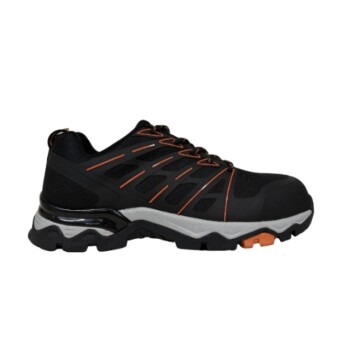
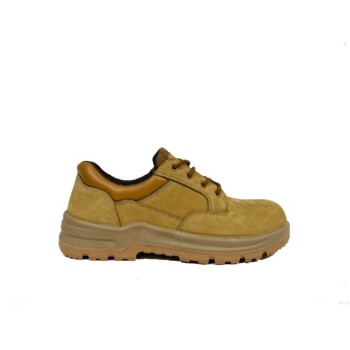
Plantar pressure monitoring systems function as sophisticated diagnostic tools integrated directly into the insoles of safety shoes and tactical boots. These systems record real-time pressure distribution across the foot while the user stands or walks, creating a detailed map of force application. By analyzing this data, evaluators can objectively measure how physical stress affects movement and verify if the footwear provides adequate support.
By quantifying the specific forces acting on different regions of the foot, these systems bridge the gap between subjective comfort and objective data, enabling the creation of footwear that actively reduces limb fatigue.
The Mechanics of Load Evaluation
Seamless Data Integration
The core technology is typically embedded within the shoe's insole. This allows for the collection of data in a natural, working environment without obstructing the user’s movement.
Real-Time Pressure Mapping
As the worker moves, the system continuously records force data. It identifies exactly how much pressure is applied to specific areas of the sole, distinguishing between the heel, arch, and forefoot.
Quantifying Fatigue and Gait
Detecting Gait Alterations
Physical fatigue invariably changes how a person walks. This system allows evaluators to analyze force data to detect subtle shifts in gait patterns that occur as a worker becomes tired.
Measuring Limb Fatigue
By monitoring these changes over long periods, the system provides a quantifiable metric for limb fatigue. It moves beyond asking a worker how they feel and looks at how their foot interaction with the ground actually changes.
Optimizing Ergonomic Design
Data-Driven Cushioning
The insights gained from pressure distribution are critical for footwear design. Manufacturers use this data to determine exactly where cushioning is needed most to absorb impact.
Refining Arch Support
The system highlights areas where the foot may be collapsing or bearing undue stress. This informs the precise calibration of arch support to maintain neutral alignment during heavy use.
Understanding the Trade-offs
The Necessity of Interpretation
While the system captures precise data, raw numbers alone do not solve ergonomic issues. The data requires expert analysis to translate pressure readings into effective design changes.
Contextual Limitations
The system excels at measuring vertical force and pressure distribution. However, evaluators must remember that it specifically targets the impact of walking and standing loads, and may need to be paired with other metrics for a holistic health view.
Making the Right Choice for Your Goal
To maximize the value of a plantar pressure monitoring system, align its application with your specific objectives:
- If your primary focus is Footwear Design: Use the pressure distribution data to precisely calibrate cushioning and arch support zones for maximum energy absorption.
- If your primary focus is Worker Safety: Leverage the gait analysis capabilities to identify when fatigue sets in, potentially adjusting shift lengths or load limits based on objective physical data.
Data is the foundation of modern safety; utilizing these systems turns footwear from a passive accessory into an active health monitoring tool.
Summary Table:
| Feature | Function & Benefit | Data Utility |
|---|---|---|
| Real-Time Mapping | Records force distribution across heel, arch, and forefoot | Identifies high-impact zones for cushioning |
| Gait Analysis | Detects subtle shifts in walking patterns due to exhaustion | Quantifies physical limb fatigue levels |
| Ergonomic Calibration | Informs precision arch support and energy absorption design | Validates footwear support effectiveness |
| Data Integration | Embedded sensors allow for natural movement testing | Provides objective metrics over subjective feedback |
Partner with 3515 for Data-Driven Footwear Excellence
As a large-scale manufacturer serving global distributors and brand owners, 3515 leverages cutting-edge technology to redefine industrial and tactical footwear. Our comprehensive production capabilities allow us to integrate advanced ergonomic insights into our flagship Safety Shoes, ensuring superior comfort and fatigue reduction for your customers.
Whether you need robust tactical boots, outdoor shoes, training sneakers, or formal dress shoes, our bulk manufacturing expertise delivers the quality and precision your brand demands.
Ready to elevate your product line? Contact us today to discuss how our manufacturing solutions can add measurable value to your business.
References
- Ahmad Humaizi Hilmi, Wan Abdul Rahman Assyahid Wan Ibrahim. Recent Advancements in Ergonomic Risk Assessment: Integration of Artificial Intelligence, Wearable Technology, and Industry-Specific Approaches. DOI: 10.58915/mjer.v6.2024.1309
This article is also based on technical information from 3515 Knowledge Base .
Related Products
- Premium KPU Injection Athletic Style Safety Shoes
- Premium KPU Athletic Safety Shoes for Wholesale
- Advanced KPU Athletic Safety Shoe with Steel Toe Cap Anti-Slip Rotary Lacing System
- Premium Safety Shoes with Rotating Buckle Safety Sneakers
- Premium Lightweight Safety Shoes for Wholesale & Bulk Orders
People Also Ask
- How do athletic-style safety shoes balance flexibility and safety? Perfect Agility for Active Professionals
- What is a recommended alternative to using hairspray for slip resistance? Ditch Unreliable Hacks for Real Safety
- What workplace hazards indicate the need for safety shoes? Identify risks to protect your workforce.
- Why should ergonomics and comfort be prioritized when selecting safety shoes? Boost Compliance & Worker Health
- What role does blockchain play in footwear supply chain transparency? Enhance Safety Shoe Traceability and Verification