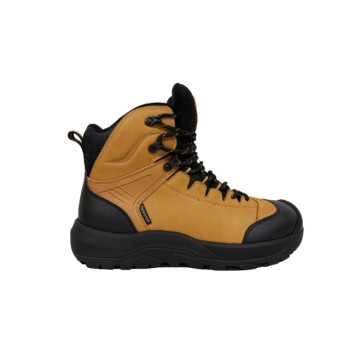
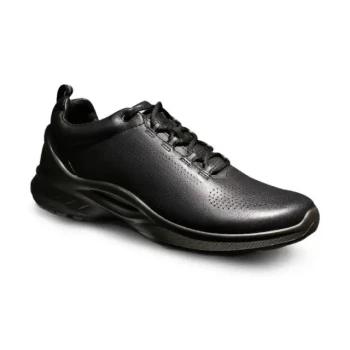
At its core, a warm winter shoe enhances mobility by creating a stable, protected micro-environment for your feet. This is achieved not just through one feature, but through a system of technologies that work together to provide superior traction, preserve critical body heat, and shield you from the elements, allowing for confident and safer movement.
True winter mobility is a function of both external grip and internal physical wellness. While non-slip soles provide the necessary traction, it is the shoe's ability to keep your feet warm and dry that preserves the muscle function and circulation required to move with agility and confidence.
The Core Components of Winter Mobility
To understand how these shoes improve your ability to move, we must look at the key features as interconnected parts of a system designed for harsh conditions.
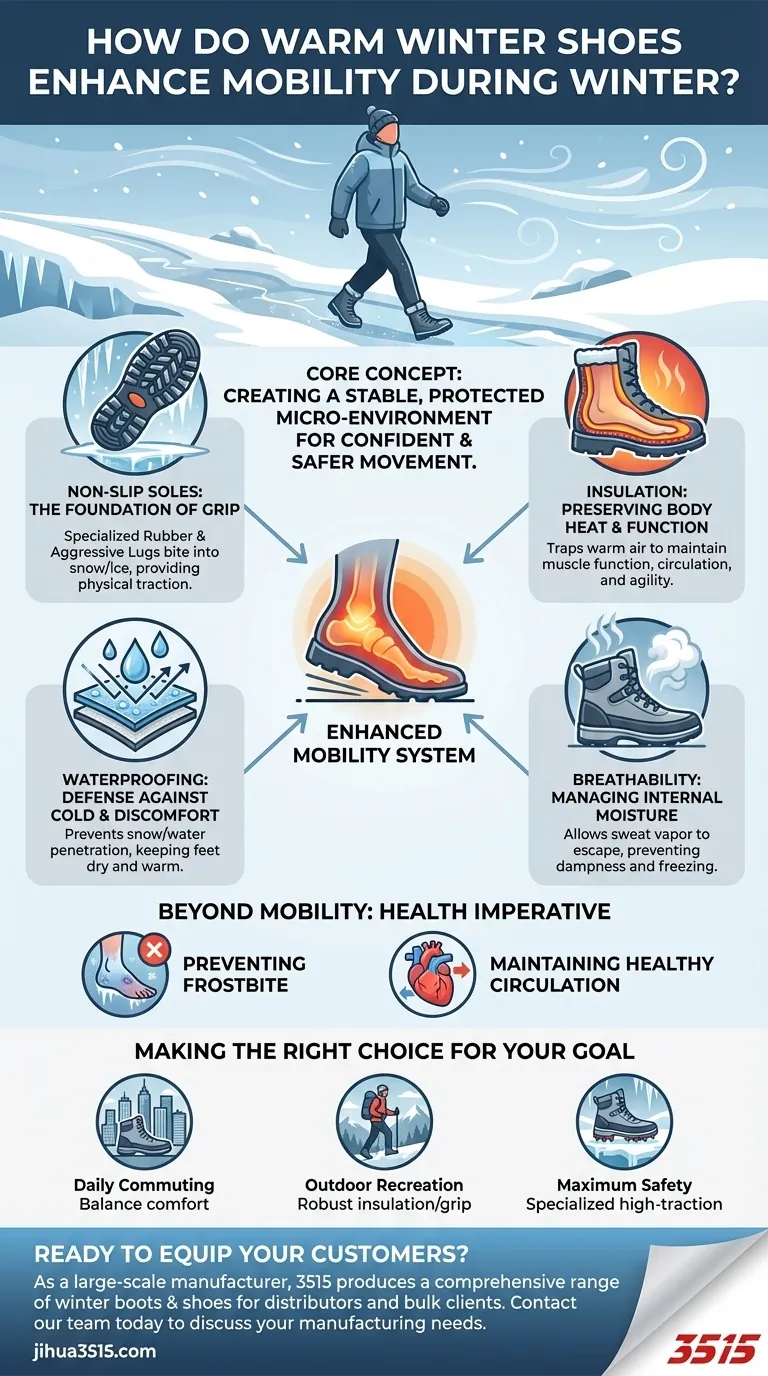
Non-Slip Soles: The Foundation of Grip
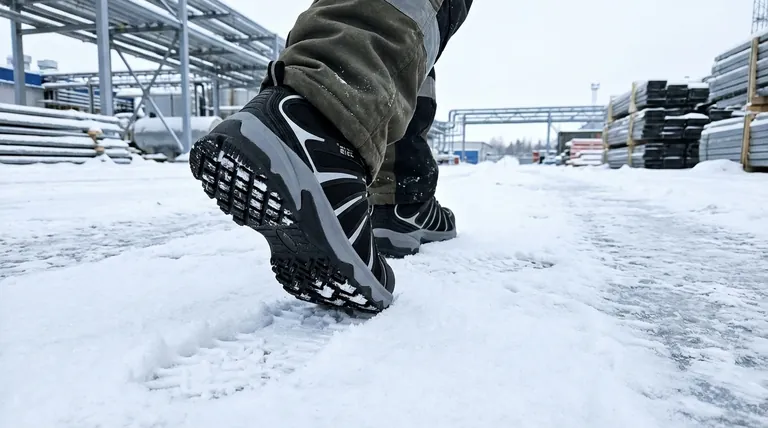
The most direct impact on mobility comes from the outsole. Unlike standard shoes, winter soles use specialized rubber compounds that remain flexible and grippy in freezing temperatures.
These are paired with deep, aggressive treads or lugs that bite into snow and slush, preventing slips on slick surfaces. This provides the physical traction necessary for stable movement.
Insulation: Preserving Body Heat and Function
Warmth is not just about comfort; it is critical for performance. Insulation works by trapping a layer of air, warmed by your body, to prevent heat from escaping.
When your feet are cold, blood circulation decreases, leading to stiffness and reduced responsiveness in your muscles and joints. Warm feet ensure your body can react quickly and maintain balance, which is a direct component of mobility.
Waterproofing: Your Defense Against Cold and Discomfort
Dryness is a prerequisite for warmth. Waterproofing, often in the form of a membrane, prevents snow, slush, and water from penetrating the shoe.
Wet feet lose heat exponentially faster than dry feet, quickly leading to dangerous drops in temperature. By keeping your feet dry, the shoe's insulation can function effectively, protecting you from cold and the resulting loss of mobility.
Breathability: Managing Internal Moisture
An effective winter shoe must also manage moisture from the inside. Breathability allows sweat vapor to escape, preventing your socks from becoming damp.
Sweat-soaked socks will make your feet cold regardless of insulation. This feature ensures the entire system remains dry, warm, and functional during activity.
Understanding the Trade-offs
Selecting the right winter shoe involves balancing competing features. There is no single shoe that is perfect for every condition.
Insulation vs. Bulk
Heavier insulation provides more warmth but often adds weight and bulk to the shoe. For high-exertion activities or milder winter days, an overly insulated shoe can feel cumbersome and lead to excessive sweating.
Waterproofing vs. Breathability
The most effective waterproof membranes can sometimes limit a shoe's ability to breathe. This can create a clammy internal environment during intense physical activity, undermining the goal of keeping feet dry.
Aggressive Treads vs. Versatility
Deep, rugged lugs are excellent for deep snow or uneven terrain. However, they can be uncomfortable and wear down quickly when used primarily on cleared, dry pavement.
Beyond Mobility: The Health Imperative
The features that enhance mobility also provide critical health protections, which are essential for staying active and safe throughout the winter.
Preventing Frostbite and Numbness
By keeping feet consistently warm and dry, proper winter footwear is your primary defense against serious cold-weather health risks like frostbite.
Maintaining Healthy Circulation
Sustained warmth prevents the blood vessels in your extremities from constricting. This ensures healthy circulation, which is vital for overall warmth and the prevention of tissue damage in extreme cold.
Making the Right Choice for Your Goal
Your specific winter activities should dictate the features you prioritize.
- If your primary focus is daily commuting in a city: Prioritize a balance of moderate insulation, full waterproofing, and a less aggressive sole for comfort on pavement.
- If your primary focus is outdoor recreation like hiking: Seek robust insulation, a reliable waterproof-breathable membrane, and deep, aggressive lugs for maximum traction in snow.
- If your primary focus is maximum safety on icy surfaces: Look for shoes with specialized high-traction rubber compounds or consider models with integrated cleats.
Ultimately, the right winter footwear transforms winter from a barrier into an opportunity for continued activity and engagement.
Summary Table:
| Feature | How It Enhances Mobility |
|---|---|
| Non-Slip Soles | Provides stable grip on snow and ice to prevent slips and falls. |
| Insulation | Preserves body heat to maintain muscle function and agility. |
| Waterproofing | Keeps feet dry to prevent heat loss and ensure insulation works effectively. |
| Breathability | Manages sweat to keep feet dry and comfortable during activity. |
Ready to equip your customers with superior winter footwear?
As a large-scale manufacturer, 3515 produces a comprehensive range of winter boots and shoes for distributors, brand owners, and bulk clients. Our production capabilities encompass all types of insulated, waterproof, and high-traction footwear designed for safety and mobility.
Let us help you meet the seasonal demand with reliable, high-performance products. Contact our team today to discuss your manufacturing needs.
Visual Guide
Related Products
- Premium Insulated Safety Boots and Shoes for Wholesale & Bulk Orders
- Wholesale Durable Camouflage Canvas Shoes with High-Traction Cleated Rubber Sole
- Durable Waterproof Rain Boots | Custom Manufacturer for Wholesale & Brands
- Durable Rubber Sole Outdoor Shoes Wholesale & Custom Manufacturing
- Wholesale Modern Comfort Shoes with Dial Closure for Private Label & Bulk Orders
People Also Ask
- What are the recommended insulation ratings for mild winter conditions? A Guide for Active & Stationary Workers
- How does insulation thickness correlate with temperature ranges? A Guide to Choosing the Right Warmth
- What insulation level is needed for severe cold and stationary work? 1200g or Higher is Essential
- What safety advantages do insulated boots offer beyond warmth? Dielectric Protection & Superior Grip
- How does fleece lining contribute to the warmth of insulated boots? Trapping Air for Superior Cold Protection