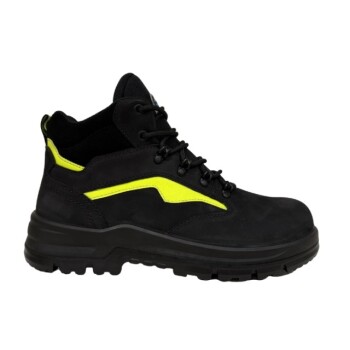
Slip-resistant work shoes enhance occupational safety primarily through specialized tread designs and high-friction materials that secure footing in environments prone to water and oil accumulation. By utilizing materials with high coefficients of friction, these shoes increase the resistance between the sole and the floor, directly preventing slip-and-fall accidents in kitchens and dining areas.
Beyond simply preventing falls, specialized footwear stabilizes the worker's posture during fast-paced tasks. This foundational stability protects against immediate physical injury while reducing long-term physical fatigue and maintaining operational efficiency.
The Mechanics of Traction and Stability
Increasing Friction Coefficients
The core effectiveness of these shoes lies in the friction coefficient of the outsole material.
Manufacturers use rubber compounds specifically engineered to grip surfaces where standard shoes would slide. This creates a stronger bond between the shoe and the floor, even when a lubricant like oil is present.
Fluid Displacement Technology
Traction is lost when a layer of liquid sits between the shoe and the floor.
Professional-grade slip-resistant shoes feature specialized tread patterns designed to drain fluids. These channels allow water and grease to escape from under the sole, ensuring the rubber maintains direct contact with the floor surface.
Improving Balance in High-Motion Areas
Hospitality environments often require rapid movement and sudden stops.
By providing a reliable grip, these shoes improve balance and operational stability. This allows staff to navigate corners and crowded spaces confidently without altering their gait to avoid slipping.
Comprehensive Protection for Hospitality Environments
Defending Against Impact and Burns
Kitchens pose risks beyond slippery floors, such as falling knives, heavy stock pots, and hot liquid spills.
High-quality safety shoes often feature sturdy, thick construction. This durability protects the feet from burns caused by hot spills and impact injuries like broken toes from dropped objects.
Reducing Fatigue and Musculoskeletal Strain
Occupational safety also encompasses long-term physical health.
Chefs and waitstaff spend hours standing on hard surfaces. Shoes with proper ergonomic support and impact-absorbing midsoles reduce fatigue. This helps prevent chronic joint issues and keeps staff alert, reducing the likelihood of errors caused by exhaustion.
Understanding the Trade-offs
The Maintenance Requirement
Slip-resistant technology is not maintenance-free.
The tread channels that drain liquid can easily become clogged with food debris or grease. If these treads are not cleaned regularly, the shoes lose their drainage capability and become significantly less safe.
Tread Wear and Replacement
The soft rubber compounds used for high friction tend to wear down faster than harder, less grippy materials.
Once the tread pattern is worn smooth, the safety features are effectively nullified. Users must proactively monitor the condition of the soles and replace footwear before the tread depth becomes insufficient.
Making the Right Choice for Your Goal
To select the most effective footwear, align the shoe features with specific workplace hazards.
- If your primary focus is Wet and Oily Kitchens: Prioritize shoes with wide, deep tread patterns specifically engineered to channel heavy grease and fluids away from the sole.
- If your primary focus is Physical Hazard Protection: Select footwear with reinforced toe caps and thick, non-porous upper materials to shield against hot liquids and falling objects.
- If your primary focus is Staff Endurance: Look for shoes that combine slip resistance with high-quality, impact-absorbing midsoles to minimize fatigue during long shifts.
The right footwear transforms the floor from a workplace hazard into a stable foundation for productivity.
Summary Table:
| Safety Feature | Function | Benefit for Staff |
|---|---|---|
| High-Friction Outsoles | Increases grip on wet/oily floors | Prevents slips and falls |
| Specialized Tread | Channels liquids away from sole | Maintains direct surface contact |
| Ergonomic Midsoles | Absorbs impact from hard floors | Reduces fatigue and joint strain |
| Reinforced Uppers | Shields against spills and impacts | Protects from burns and falling objects |
Elevate Your Team's Safety Standards with 3515 Footwear
As a leading large-scale manufacturer serving global distributors and brand owners, 3515 delivers the high-performance footwear your workforce demands. Our flagship Safety Shoes series is engineered to transform hazardous kitchen and hospitality environments into stable, productive workspaces.
We offer comprehensive production capabilities across all footwear types—including professional work boots, tactical gear, and formal dress shoes—to meet your bulk requirements with precision and durability. Partner with us to provide your customers with the ultimate foundation for safety and efficiency.
Contact 3515 today to discuss your bulk manufacturing needs
References
- Rama Prajapati, Suja Giri. Status of Occupational Health and Safety in Nepal: Current Scenario and Strategies for Improvement. DOI: 10.3126/jomra.v1i2.61194
This article is also based on technical information from 3515 Knowledge Base .
Related Products
- Wholesale Durable 6-Inch Work Boots | Custom & Private Label Manufacturer
- Durable Leather Moc Toe Work Boots for Wholesale & Custom Manufacturing
- Durable Goodyear Welt Leather Work Boots for Wholesale & Private Label
- Premium Suede Sport Safety Shoes for Wholesale & Bulk Orders
- Durable High-Traction Canvas Sneakers Wholesale & Custom Manufacturing
People Also Ask
- What are the pros and cons of steel toe work boots? A Guide to Maximum Protection vs. Comfort
- What is the history of steel toe work boots? From German Invention to Modern Safety Standard
- What are the different types of steel toe work boots? Choose the Right Boot for Your Job
- How much weight can steel toe work boots withstand? Unpacking the 3,372 lb. Safety Standard
- Is there any truth to the myth about steel toe boots causing toe injuries upon impact? Debunking Common Safety Concerns