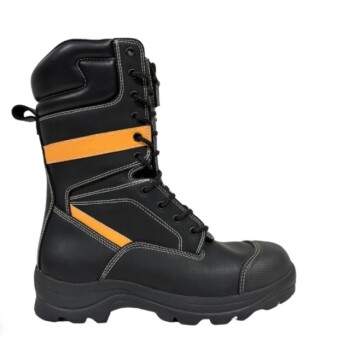
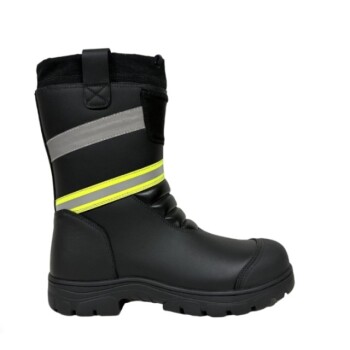
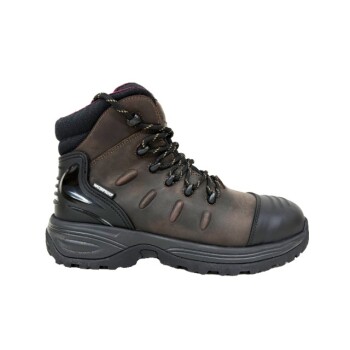
Safety shoes serve as a critical defense mechanism against chemical hazards in the workplace. Specifically, during the preparation and dilution of concentrated insecticides, they function as a primary physical barrier against accidental splashes. By utilizing materials specifically designed to resist chemical penetration, these shoes prevent toxic liquids from reaching the skin, thereby blocking absorption at the source.
Core Insight: Safety footwear is not merely about physical impact protection; in chemical workflows, it acts as an impermeable shield against concentrated toxins. This barrier prevents dermal absorption, drastically reducing the risks of both localized skin inflammation and dangerous systemic poisoning.
The Mechanics of Exposure Prevention
Acting as a Physical Barrier
The preparation and dilution phases of insecticide handling involve concentrated liquids, increasing the likelihood of spills or splashes.
Safety shoes are engineered to withstand these specific threats. They form a robust layer between the external environment and the user's feet, ensuring that accidental spills are repelled rather than absorbed.
Resisting Chemical Penetration
Standard footwear often allows liquids to seep through fabrics or stitching.
In contrast, appropriate safety shoes utilize high-resistance materials that stop chemicals from penetrating the shoe's exterior. This material integrity is the defining feature that converts the shoe from a simple covering into personal protective equipment (PPE).
Blocking Dermal Absorption
The skin is a primary route for toxins to enter the bloodstream.
By preventing the chemical from ever making contact with the skin, safety shoes eliminate the potential for dermal absorption. This isolation is crucial because once a toxic substance breaches the skin barrier, it becomes significantly harder to mitigate its effects.
Health Implications and Risk Reduction
Preventing Localized Inflammation
Direct contact with concentrated insecticides can cause immediate damage to the skin tissue.
Safety shoes protect against these localized reactions, such as chemical burns or severe dermatitis. Keeping the feet dry and chemically isolated preserves the integrity of the skin during hazardous tasks.
Averting Systemic Poisoning
The danger of insecticides often extends beyond the point of contact.
If absorbed, these toxins can circulate throughout the body, leading to systemic poisoning. By stopping the chemical at the shoe's surface, the risk of internal toxicity and long-term health complications is significantly minimized.
Understanding the Limitations
Material Compatibility Matters
Not all safety shoes offer the same level of chemical resistance.
While a shoe may protect against physical impact (like a falling object), it may not be rated for chemical splashes. It is vital to ensure the footwear material is specifically tested against the types of insecticides being handled.
Maintenance is Mandatory
The protective qualities of safety shoes can degrade over time.
Regular inspection is required to ensure there are no cracks, worn soles, or compromised seams that could allow liquids to seep in. A compromised barrier offers a false sense of security, which can be more dangerous than no protection at all.
Making the Right Choice for Safety
To ensure your safety measures are effective during chemical preparation, align your equipment with your specific risks.
- If your primary focus is Chemical Resistance: Verify that the footwear specifications explicitly state resistance to the specific class of insecticides you are handling.
- If your primary focus is Workflow Safety: Treat the dilution phase as the highest-risk activity and ensure footwear is inspected for integrity before every shift.
Properly selected safety footwear turns a volatile chemical environment into a controlled, professional workspace.
Summary Table:
| Feature | Protection Mechanism | Occupational Benefit |
|---|---|---|
| Physical Barrier | Repels accidental splashes & spills | Prevents direct skin contact |
| Material Integrity | Resists chemical penetration/seepage | Blocks absorption of concentrated toxins |
| Dermal Isolation | Isolates skin from hazardous liquids | Prevents chemical burns & dermatitis |
| Systemic Defense | Stops toxins at the surface level | Reduces risk of internal organ toxicity |
Secure Your Workforce with Premium Chemical-Resistant Footwear
Protect your team from hazardous chemical exposure with specialized footwear solutions from 3515. As a premier large-scale manufacturer serving distributors and brand owners worldwide, we provide high-performance protective gear tailored for demanding industrial environments.
3515 offers comprehensive production capabilities across all footwear categories. While our flagship Safety Shoes series provides industry-leading chemical and impact resistance, our extensive portfolio also includes:
- Work & Tactical Boots for rugged environments.
- Outdoor & Training Shoes for durability and comfort.
- Sneakers & Dress Shoes to meet diverse bulk procurement needs.
Partner with a manufacturer that prioritizes safety and quality. Contact us today to discuss your bulk requirements and let us help you deliver superior protection to your customers.
References
- Nurul Ainun Hamzah, Mohd Nazhari Mohd Nawi. Occupational Pesticide Exposure and Respiratory Effects among Mosquito Control Workers in Kota Bharu and Bachok, Kelantan. DOI: 10.11113/jest.v5n2.117
This article is also based on technical information from 3515 Knowledge Base .
Related Products
- Premium Flame-Retardant Waterproof Safety Boots and Shoes
- Athletic Safety Shoes with Dial Closure & Steel Toe for Wholesale & Custom Manufacturing
- Heavy-Duty Waterproof Nubuck Safety Boots Safety Shoes for Bulk Supply
- Premium Suede Sport Safety Shoes for Wholesale & Bulk Orders
- Wholesale Durable Safety Boots | Custom Steel Toe & Puncture-Resistant Manufacturing
People Also Ask
- Why are waterproof safety boots recommended for certain work environments? Essential Protection for Wet & Hazardous Jobs
- What materials are commonly used in waterproof boots? The Complete Guide to Durable, Breathable Protection
- How does boot construction affect waterproofing? The Science Behind Truly Dry Feet
- What should you look for to ensure boots are fully waterproof? The Essential 2-Part System
- What is the advantage of one-piece construction in waterproof boots? Unbeatable Seamless Protection