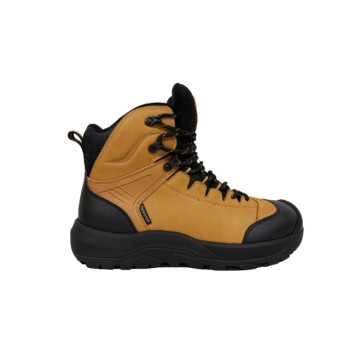
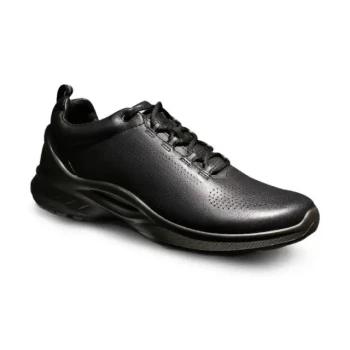
Beyond simple warmth, the right winter shoes fundamentally transform your entire experience of the cold season. They function as a critical piece of technical gear, directly impacting your safety, comfort, and willingness to engage with the outdoors, turning a season of endurance into one of enjoyment.
The true value of proper winter footwear lies not just in keeping your feet warm, but in managing the complex interplay of insulation, moisture, and traction. This system allows you to move with confidence and comfort through harsh conditions.
The Core Components of Effective Winter Footwear
A well-designed winter shoe is more than just a boot with lining. It's an integrated system where each component serves a specific purpose, working together to protect you from the elements.
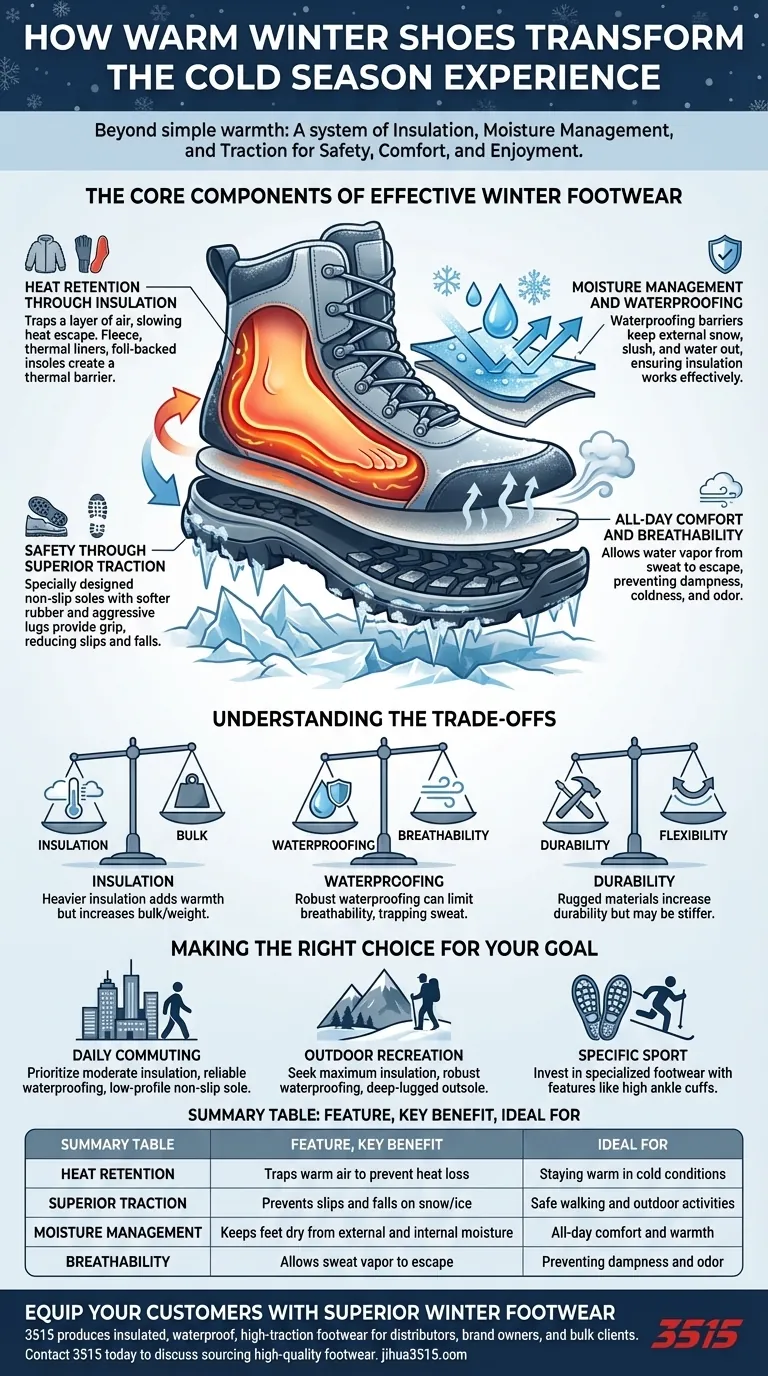
Heat Retention Through Insulation
The primary function of insulation is to trap a layer of air around your foot. This still air is a poor conductor of heat, which dramatically slows the rate at which your body heat escapes.
Materials like fleece linings, thermal liners, or even foil-backed insoles are all designed to create and maintain this pocket of warm air. Specialized shoes, like those for winter cycling, will also have fewer vents to prevent cold air from entering and disrupting this thermal barrier.
Safety Through Superior Traction
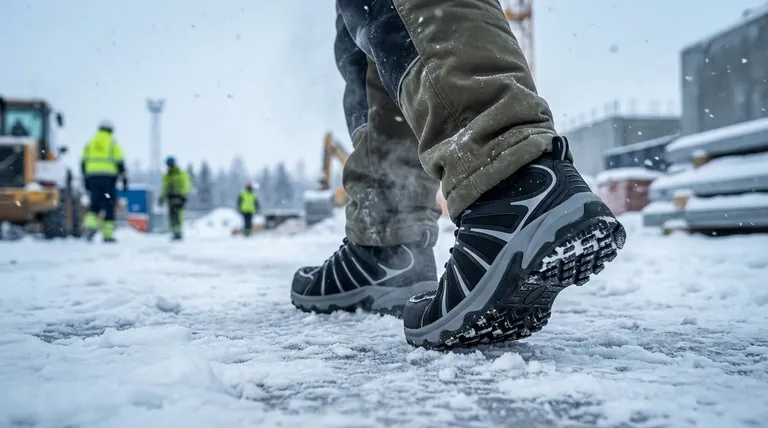
Winter surfaces are unpredictable and often hazardous. Winter shoes address this with specially designed non-slip soles.
These outsoles are made from softer rubber compounds that stay flexible in the cold and feature deep, aggressive lugs. This design provides a significantly better grip on snow and ice, allowing for safer, more confident movement and reducing the risk of slips and falls.
Moisture Management and Waterproofing
Staying dry is just as important as staying warm. Water conducts heat away from the body 25 times faster than air, meaning wet feet will become cold feet almost instantly.
Effective winter shoes use waterproofing technologies to create a barrier that keeps snow, slush, and water out. This ensures your insulation can do its job effectively.
All-Day Comfort and Breathability
While keeping external moisture out is crucial, so is managing internal moisture from sweat. If sweat accumulates, it will make your feet damp and cold.
High-quality winter footwear incorporates breathability, allowing water vapor from sweat to escape. This prevents the damp, clammy feeling that leads to coldness and odor, ensuring your feet remain comfortable throughout the day.
Understanding the Trade-offs
Selecting the right winter shoe involves balancing competing characteristics. There is no single "best" boot for every situation.
Insulation vs. Bulk
Heavier insulation provides more warmth but almost always adds significant bulk and weight. An expedition-level boot is perfect for extreme cold but is often too clumsy and warm for a simple daily commute.
Waterproofing vs. Breathability
The most robust waterproofing technologies can sometimes limit breathability. This can be a problem during high-exertion activities where you produce a lot of sweat, potentially trapping moisture inside the shoe.
Durability vs. Flexibility
Shoes built to withstand the harshest winter conditions often use thick, rugged materials. While incredibly durable, this can result in a stiffer shoe that requires a break-in period and may feel less comfortable for casual walking.
Making the Right Choice for Your Goal
Your ideal winter shoe depends entirely on how you intend to use it. Assess your primary need to select the right combination of features.
- If your primary focus is daily commuting: Prioritize a balance of moderate insulation, reliable waterproofing, and a low-profile, non-slip sole that works well on cleared sidewalks.
- If your primary focus is outdoor recreation: Seek out maximum insulation, robust and durable waterproofing, and a deep-lugged outsole for superior traction on varied terrain.
- If your primary focus is a specific sport: Invest in specialized footwear designed for that activity, which will have features like higher ankle cuffs or unique insulation placement.
Choosing the right footwear is an investment in your ability to fully and safely enjoy the winter season.
Summary Table:
| Feature | Key Benefit | Ideal For |
|---|---|---|
| Heat Retention | Traps warm air to prevent heat loss | Staying warm in cold conditions |
| Superior Traction | Prevents slips and falls on snow/ice | Safe walking and outdoor activities |
| Moisture Management | Keeps feet dry from external and internal moisture | All-day comfort and warmth |
| Breathability | Allows sweat vapor to escape | Preventing dampness and odor |
Ready to equip your customers with superior winter footwear?
As a large-scale manufacturer, 3515 produces a comprehensive range of winter boots and shoes for distributors, brand owners, and bulk clients. Our production capabilities encompass all types of insulated, waterproof, and high-traction footwear designed to meet the demands of any winter activity.
Contact 3515 today to discuss how we can help you source high-quality winter footwear that combines comfort, safety, and durability for your market.
Visual Guide
Related Products
- Premium Insulated Safety Boots and Shoes for Wholesale & Bulk Orders
- Wholesale Durable Camouflage Canvas Shoes with High-Traction Cleated Rubber Sole
- Durable Waterproof Rain Boots | Custom Manufacturer for Wholesale & Brands
- Durable Rubber Sole Outdoor Shoes Wholesale & Custom Manufacturing
- Wholesale Modern Comfort Shoes with Dial Closure for Private Label & Bulk Orders
People Also Ask
- What are the recommended insulation ratings for mild winter conditions? A Guide for Active & Stationary Workers
- How does insulation thickness correlate with temperature ranges? A Guide to Choosing the Right Warmth
- What insulation level is needed for severe cold and stationary work? 1200g or Higher is Essential
- What safety advantages do insulated boots offer beyond warmth? Dielectric Protection & Superior Grip
- How does fleece lining contribute to the warmth of insulated boots? Trapping Air for Superior Cold Protection