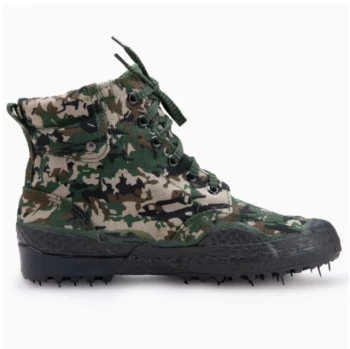
More than just for hunting, a quality pair of hunting boots can be one of the most versatile pieces of footwear you own. Their core design features—robust waterproofing, aggressive traction, and durable construction—make them highly effective for a range of demanding activities, particularly as everyday winter boots, for rugged hiking, or for outdoor labor.
The very features that make hunting boots effective in the wild are what give them value in other challenging environments. They excel in any situation where protection from the elements, stability on uneven ground, and durability are your top priorities.
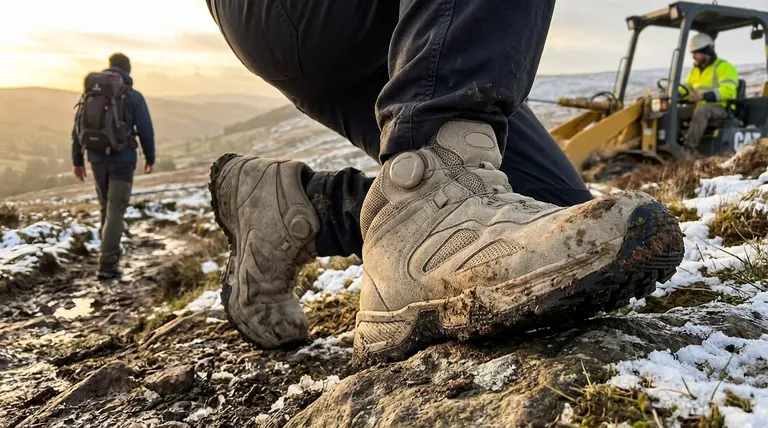
The Core Features That Drive Versatility
The utility of a hunting boot stems from its purpose-built design. These boots are engineered for performance in unpredictable and often harsh conditions, and those same engineering principles apply to many other scenarios.
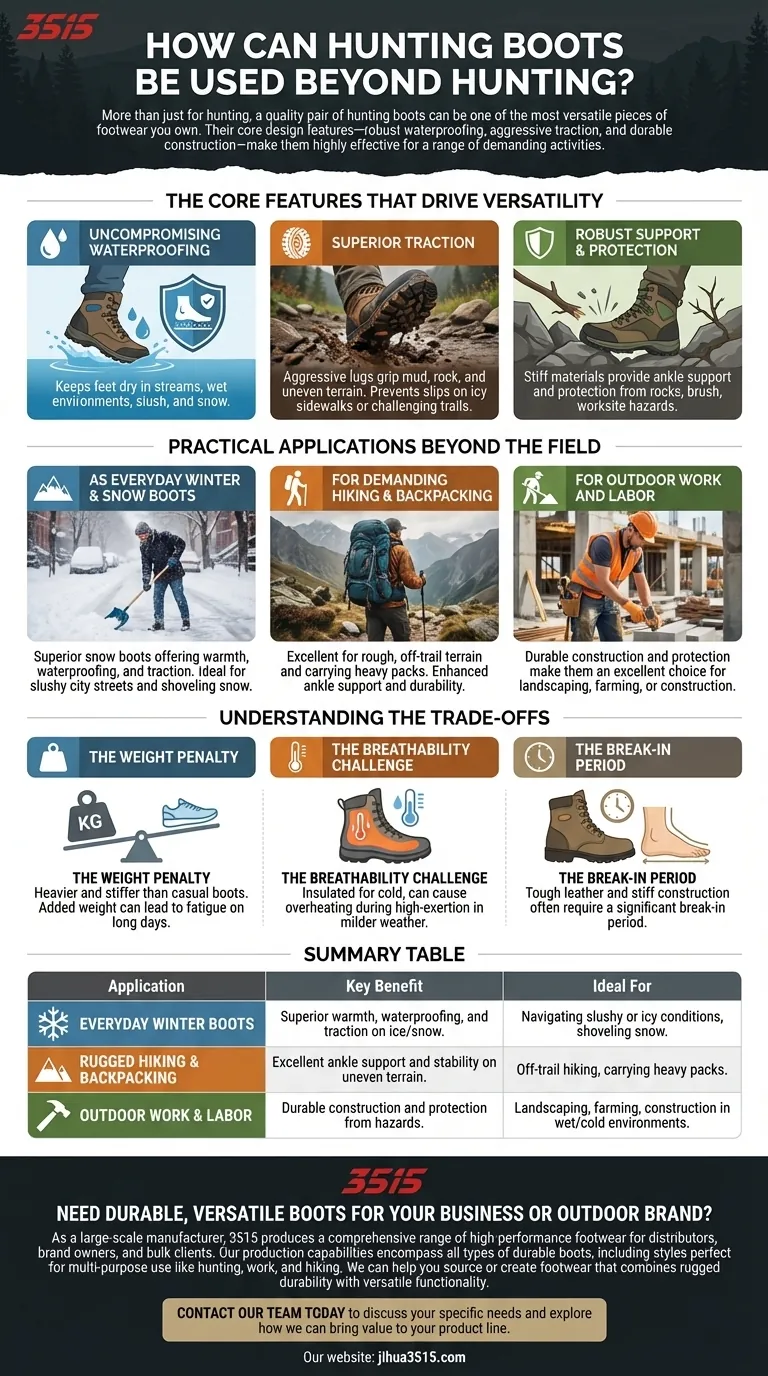
Uncompromising Waterproofing
Most hunting boots feature waterproof membranes and materials designed to keep feet dry when crossing streams or sitting in wet environments. This same feature makes them exceptionally well-suited for navigating slushy city streets, shoveling snow, or working in damp conditions.
Superior Traction
The outsoles of hunting boots are designed with deep, aggressive lugs to grip mud, rock, and uneven terrain. This provides outstanding stability and prevents slips, a benefit that translates directly to navigating icy sidewalks or hiking on challenging trails.
Robust Support and Protection
Built with stiff, durable materials like leather, these boots provide excellent ankle support and protection from rocks, brush, and other hazards. This level of protection is equally valuable whether you're on a worksite or a rugged hiking path.
Practical Applications Beyond the Field
Understanding the core features allows you to see where these boots can effectively replace or outperform other types of footwear.
As Everyday Winter & Snow Boots
In regions with significant snowfall, hunting boots are a common sight for casual wear. They function as superior snow boots, offering better warmth, waterproofing, and traction than many fashionable alternatives.
For Demanding Hiking & Backpacking
A hunting boot is essentially a heavy-duty hiking boot. For trips involving rough, off-trail terrain or carrying a heavy pack, the enhanced ankle support and protective construction are ideal.
For Outdoor Work and Labor
The durability and protective nature of hunting boots make them an excellent choice for demanding outdoor labor. For tasks like landscaping, farming, or construction, they offer the resilience of a work boot combined with superior weather protection.
Understanding the Trade-offs
While versatile, using hunting boots for other activities involves trade-offs that are critical to understand. Their specialized design is not always the optimal choice.
The Weight Penalty
Hunting boots are generally heavier and stiffer than dedicated hiking or casual boots. This added weight can lead to fatigue on long hikes or during all-day casual wear.
The Breathability Challenge
Many hunting boots are insulated for warmth during long, stationary periods in the cold. This same insulation can cause your feet to overheat during high-exertion activities, especially in milder weather. For active use, look for non-insulated models with breathable linings.
The Break-in Period
The tough leather and stiff construction that provide support also mean that most hunting boots require a significant break-in period to become comfortable. This is a contrast to lighter footwear that is often comfortable right out of the box.
Making the Right Choice for Your Needs
To decide if a hunting boot is the right multi-purpose tool for you, consider your most common use case.
- If your primary focus is everyday winter wear: Hunting boots are an excellent, durable choice, offering superior warmth and traction.
- If your primary focus is serious hiking: They are ideal for rough terrain and heavy loads, but consider a non-insulated model for better temperature regulation.
- If your primary focus is outdoor labor: Their protective build makes them a strong alternative to work boots, especially in wet or cold environments.
By understanding their inherent strengths and limitations, you can leverage your hunting boots as a capable tool for nearly any demanding outdoor challenge.
Summary Table:
| Application | Key Benefit | Ideal For |
|---|---|---|
| Everyday Winter Boots | Superior warmth, waterproofing, and traction on ice/snow. | Navigating slushy or icy conditions, shoveling snow. |
| Rugged Hiking & Backpacking | Excellent ankle support and stability on uneven terrain. | Off-trail hiking, carrying heavy packs. |
| Outdoor Work & Labor | Durable construction and protection from hazards. | Landscaping, farming, construction in wet/cold environments. |
Need durable, versatile boots for your business or outdoor brand?
As a large-scale manufacturer, 3515 produces a comprehensive range of high-performance footwear for distributors, brand owners, and bulk clients. Our production capabilities encompass all types of durable boots, including styles perfect for multi-purpose use like hunting, work, and hiking.
We can help you source or create footwear that combines rugged durability with versatile functionality. Contact our team today to discuss your specific needs and explore how we can bring value to your product line.
Visual Guide
Related Products
- Wholesale Lightweight Tactical Boots Custom Manufacturer for Desert & Combat Use
- High-Traction Suede Tactical Boots Wholesale & Custom Manufacturing
- Durable Leather Tactical Boots Wholesale & Custom Manufacturing for Brands
- Durable Military Combat Boots with Water Drainage for Wholesale & OEM
- Wholesale Waterproof Tactical Boots Custom Suede & High-Traction Soles
People Also Ask
- What are the common types of combat boots? Find the Right Boot for Your Mission
- What specialized protections do tactical boots offer? Maximize Endurance with High-Performance Footwear
- What are the main construction similarities between tactical boots and tactical sneakers? Built for Performance & Durability
- How does additive manufacturing equipment reduce environmental risks? Sustainable Tactics for Modern Footwear Production
- What are the different types of tactical boots available? Find the Right Boot for Your Mission