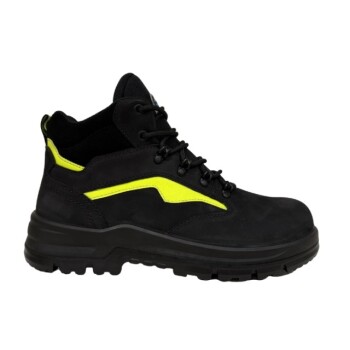
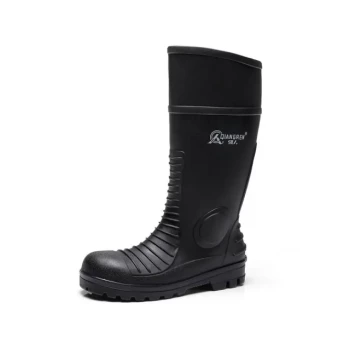
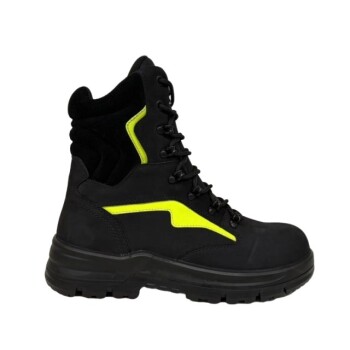
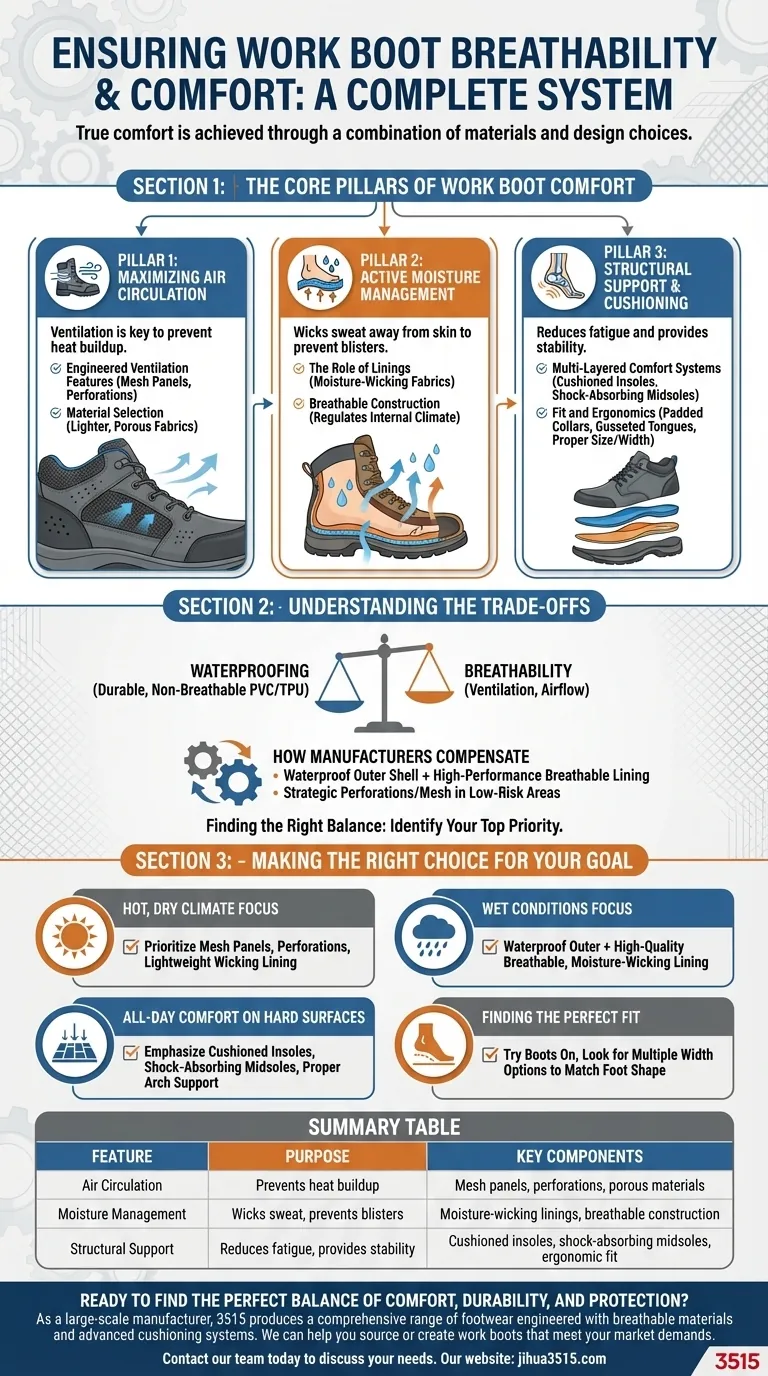
To ensure breathability and comfort in work boots, you must look beyond a single feature and evaluate the boot as a complete system. True comfort is achieved through a combination of materials and design choices that promote air circulation, manage moisture, and provide structural support for your specific work environment.
The key to all-day comfort is understanding that it's not about one magic feature. It's about the deliberate integration of ventilation, moisture-wicking technology, and proper cushioning working together to keep your feet cool, dry, and supported.
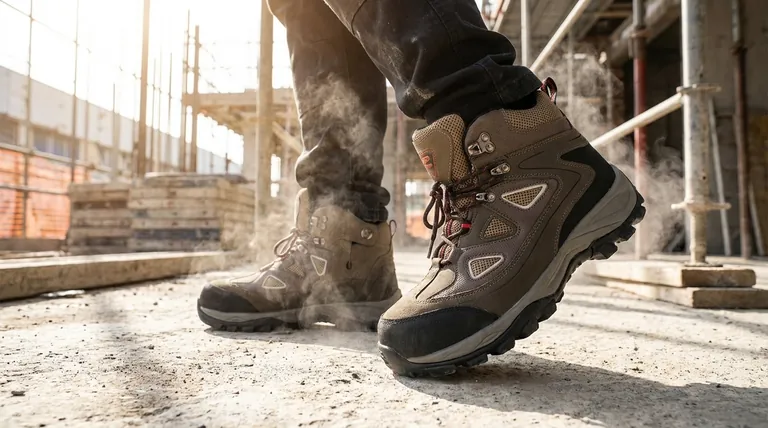
The Core Pillars of Work Boot Comfort
Achieving lasting comfort requires focusing on three distinct but interconnected areas: how the boot handles air, how it manages moisture, and how it supports your foot's structure.
Pillar 1: Maximizing Air Circulation
Proper ventilation is the first line of defense against heat and sweat buildup. Without airflow, the internal climate of your boot quickly becomes uncomfortable.
Engineered Ventilation Features
Manufacturers incorporate specific design elements to force air exchange. Look for mesh panels or strategic perforations in the boot's upper, which act as vents to let hot air escape and cool air enter.
Material Selection
The materials themselves play a critical role. While some heavy-duty materials are not inherently breathable, many modern boots blend them with lighter, more porous fabrics to improve airflow without sacrificing durability.
Pillar 2: Active Moisture Management
Even with good ventilation, your feet will sweat. Effective moisture management wicks that sweat away from your skin, which is crucial for preventing blisters and discomfort.
The Role of Linings
The most important feature for this is a moisture-wicking lining. These specialized fabrics pull perspiration away from your foot to the lining's surface, where it can evaporate more easily.
Breathable Construction
This system ensures that even when the boot's outer material is waterproof, the internal climate remains regulated and dry, preventing that clammy feeling.
Pillar 3: Structural Support and Cushioning
A boot can be breathable but still cause fatigue and pain if it doesn't properly support your foot. This comes from the boot's internal construction.
Multi-Layered Comfort Systems
Many high-quality boots feature a system of components designed to absorb impact. This includes cushioned insoles for initial comfort and shock-absorbing midsoles that dissipate force with every step.
Fit and Ergonomics
Features like padded collars and gusseted tongues enhance comfort around the ankle while also keeping debris out. Most importantly, ensuring a proper fit by selecting the correct size and width (from medium to extra wide) is fundamental for comfort and protection.
Understanding the Trade-offs
Choosing the right work boot almost always involves balancing competing needs, most commonly durability and waterproofing against breathability.
The Waterproofing vs. Breathability Challenge
Materials like PVC and TPU are exceptionally durable and waterproof, but they are not inherently breathable. This creates a challenge for designers.
How Manufacturers Compensate
To solve this, manufacturers often build boots with a waterproof outer shell but integrate a high-performance breathable lining inside. They may also add perforations or mesh panels in lower-risk areas of the boot to introduce airflow without compromising the boot's primary protective function.
Finding the Right Balance
This means you must identify your top priority. If you work in constantly wet conditions, a slightly less breathable but fully waterproof boot may be necessary. If you work in heat, prioritizing ventilation is key.
Making the Right Choice for Your Goal
Your specific job and environment dictate which features you should prioritize. Use these guidelines to select the best boot for your needs.
- If your primary focus is working in a hot, dry climate: Prioritize boots with prominent mesh panels, perforations, and a lightweight, moisture-wicking lining.
- If your primary focus is protection from wet conditions: Look for a boot with a waterproof outer material combined with a high-quality breathable, moisture-wicking internal lining.
- If your primary focus is all-day comfort on hard surfaces: Emphasize features like cushioned insoles, shock-absorbing midsoles, and proper arch support.
- If your primary focus is finding the perfect fit: Always try boots on before buying and look for brands that offer multiple width options to match your foot shape.
Ultimately, a comfortable work boot is one that is correctly matched to your foot and your daily tasks.
Summary Table:
| Feature | Purpose | Key Components |
|---|---|---|
| Air Circulation | Prevents heat buildup | Mesh panels, perforations, porous materials |
| Moisture Management | Wicks sweat, prevents blisters | Moisture-wicking linings, breathable construction |
| Structural Support | Reduces fatigue, provides stability | Cushioned insoles, shock-absorbing midsoles, ergonomic fit |
Ready to find the perfect balance of comfort, durability, and protection for your workforce?
As a large-scale manufacturer, 3515 produces a comprehensive range of footwear for distributors, brand owners, and bulk clients. Our production capabilities encompass all types of shoes and boots, engineered with the precise combination of breathable materials, moisture-wicking linings, and advanced cushioning systems detailed in this article.
We can help you source or create work boots that meet the specific demands of your target market and work environment. Contact our team today to discuss your needs and discover how we can bring superior comfort to your product line.
Visual Guide
Related Products
- Lightweight Breathable Training Shoes for Wholesale & Custom OEM Manufacturing
- Durable Moc-Toe Wedge Work Boots | Wholesale Manufacturing for Brands
- Durable Leather Work Boots for Wholesale & Custom Manufacturing
- Durable Leather Moc Toe Work Boots for Wholesale & Custom Manufacturing
- Wholesale Premium Waterproof Nubuck Safety Shoes Boots
People Also Ask
- Why are lightweight training shoes often preferred over professional hiking boots in urban walking? Maximize City Comfort
- What is the primary role of specialized training or orthopedic shoes? Enhance Safety in Elderly Balance Training
- Why are professional-grade training shoes essential for physical therapy? Ensure Patient Safety and Gait Stability
- Why are the slip-resistance and stability performance of training shoes critical in gait analysis? Ensure Data Accuracy
- Why is the use of flat-soled or professional training shoes essential for WBV? Maximize Vibration Energy Transfer