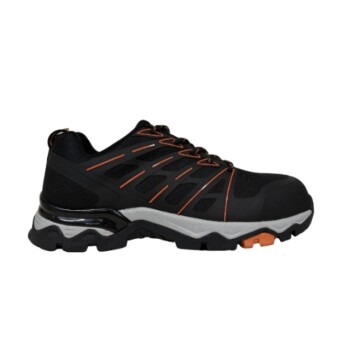
A dynamic stability platform functions as a precise, objective tool to benchmark the performance of functional footwear by capturing the specific interaction between the foot and the ground interface. By conducting comparative tests on subjects wearing different models—such as slip-resistant safety shoes or high-top tactical boots—researchers can utilize Time in Balance (TIB) data to quantitatively measure outsole grip, structural support, and the footwear’s influence on the wearer's proprioception.
Core Takeaway While subjective comfort is important, a dynamic stability platform moves validation into the realm of physics by measuring Time in Balance (TIB). This metric serves as the definitive indicator for how well footwear assists a user in maintaining control, allowing for product optimization based on data rather than user opinion.
Measuring the Foot-Platform Interaction
The primary function of the platform is to translate the physical design of a shoe into quantifiable stability data. This eliminates the ambiguity often found in field testing.
The Time in Balance (TIB) Metric
The fundamental unit of measurement is Time in Balance (TIB). This metric captures the duration a subject maintains stability while interacting with the platform.
High TIB values generally indicate that the footwear effectively stabilizes the foot, minimizing the muscular effort required to remain upright. Low TIB values highlight potential design flaws that may compromise safety.
Evaluating Outsole Grip
Functional footwear, particularly safety shoes, relies heavily on friction. The platform evaluates how the outsole interacts with the surface interface.
By analyzing the data, developers can isolate whether a loss of balance is due to poor postural control or a failure of the outsole material to grip the platform surface.
Impact on Proprioception
Proprioception is the body's ability to sense movement and position. Thick or poorly designed soles can dull this sense.
The platform measures how well the footwear allows the user to sense changes in the surface beneath them. This ensures that protective elements (like thick soles) do not inadvertently disconnect the wearer from necessary sensory feedback.
Beyond Basic Balance: High-Precision Metrics
While TIB is the primary metric, advanced platforms utilize supplementary data to create a comprehensive profile of the shoe's performance.
Sway Velocity Index (SVI)
Using high-sensitivity pressure sensors, platforms can calculate the Sway Velocity Index (SVI). This measures how quickly a user oscillates while trying to stand still.
High SVI indicates instability. This metric helps determine if a shoe design forces the wearer to constantly correct their posture, which leads to faster fatigue.
Center of Pressure (COP) and Time-to-Boundary (TTB)
High-frequency force plates (sampling up to 1kHz) capture Ground Reaction Forces. This data calculates the Center of Pressure (COP) and Time-to-Boundary (TTB).
These metrics are critical for identifying "near-miss" stability failures. They reveal subtle balance deficits that visual observation would miss, such as micro-shifts in weight distribution caused by an uneven midsole.
Validating Design Under Load
Functional footwear is rarely used in static, unloaded conditions. The evaluation must account for the physical realities of the user's environment.
Simulating Load-Bearing Scenarios
Research indicates that carrying heavy loads changes a human's gait, naturally increasing step width to seek stability.
The platform evaluates if the footwear supports this biological adaptation. For example, it can verify if the outsole contact area is sufficient to handle the wider center of gravity shifts associated with tactical load-bearing.
Structural Integrity and Stiffness
Stability relies on the shoe's internal architecture. The platform validates the effectiveness of reinforced torsional stiffness and heel cushioning.
By subjecting the shoe to dynamic loading on the platform, researchers can ensure the midsole prevents excessive twisting, which is a common cause of ankle injuries in high-top boots.
Understanding the Trade-offs
Data is essential, but it must be interpreted within the context of footwear design constraints.
Stability vs. Mobility
A shoe that produces the highest TIB scores might be exceptionally stiff. While this is good for static balance, excessive stiffness can hinder natural gait and agility in dynamic tactical situations.
Lab vs. Real-World Conditions
Platform data is generated in a controlled environment. A high grip score on a clean platform does not guarantee performance in unpredictable environments involving mud, oil, or gravel. Platform data should be the baseline, not the only test.
Making the Right Choice for Your Goal
When interpreting dynamic stability data, tailor your focus to the specific operational requirements of the footwear.
- If your primary focus is Safety and Slip Resistance: Prioritize Time in Balance (TIB) and friction coefficient data to ensure the outsole prevents falls on slick surfaces.
- If your primary focus is Fatigue Reduction: Look at the Sway Velocity Index (SVI); a lower score means the user expends less energy fighting to stay upright over long shifts.
- If your primary focus is Tactical Load Bearing: Examine Center of Pressure (COP) and Time-to-Boundary (TTB) metrics to ensure the shoe handles shifting centers of gravity under heavy pack loads.
True optimization occurs when you balance high stability metrics with the practical ergonomic needs of the end-user.
Summary Table:
| Metric | Description | Key Benefit |
|---|---|---|
| Time in Balance (TIB) | Duration subject maintains stability | Quantifies overall stability and outsole grip |
| Sway Velocity Index (SVI) | Measures how quickly a user oscillates while standing | Identifies footwear designs that reduce fatigue |
| Center of Pressure (COP) | Traces the point of force application on the platform | Reveals micro-shifts and subtle balance deficits |
| Time-to-Boundary (TTB) | Measures time available before losing balance | Predicts "near-miss" stability failures |
| Load Simulation | Testing under conditions mimicking real-world use (e.g., heavy loads) | Validates performance for specific operational requirements |
| Proprioception Impact | Assesses how footwear affects sensory feedback from the ground | Ensures protective elements don't hinder natural movement/sense |
As a large-scale manufacturer serving distributors and brand owners, 3515 offers comprehensive production capabilities for all footwear types, anchored by our flagship Safety Shoes series. Our extensive portfolio covers work and tactical boots, outdoor shoes, training shoes, and sneakers, as well as Dress & Formal shoes to meet diverse bulk requirements.
We empower your brand with superior, data-backed footwear, ensuring optimal performance, safety, and comfort for your customers. From advanced safety features to robust tactical designs, we deliver quality and innovation at scale.
Ready to elevate your product line with expertly crafted, high-performance footwear? Contact us today to discuss your specific requirements and leverage our manufacturing expertise.
Connect with 3515 for Bulk Footwear Solutions
References
- Nureen Shahirah Ahmad Zaghlul, Chow Khuen Chan. Test-retest reliability of the single leg stance on a Lafayette stability platform. DOI: 10.1371/journal.pone.0280361
This article is also based on technical information from 3515 Knowledge Base .
Related Products
- Premium Suede Sport Safety Shoes for Wholesale & Bulk Orders
- Premium Lightweight Safety Shoes for Wholesale & Bulk Orders
- Wholesale Anti-Smash & Puncture-Proof Safety Shoes Custom Manufacturing for Brands
- Premium KPU Injection Athletic Style Safety Shoes
- Premium Safety Shoes with Rotating Buckle Safety Sneakers
People Also Ask
- What industries have specific OSHA footwear requirements? Ensure Compliance & Protect Your Workforce
- What are the primary functions of professional safety shoes? Maximize Safety in Water Supply Confined Spaces
- What role do specialized safety shoes play in preventing falls? Engineering Stability in Industrial Environments
- How does professional industrial cleaning equipment maintain the performance stability of safety shoes? Pro Maintenance
- What are the main components of safety shoes? A Guide to Protective Footwear Design