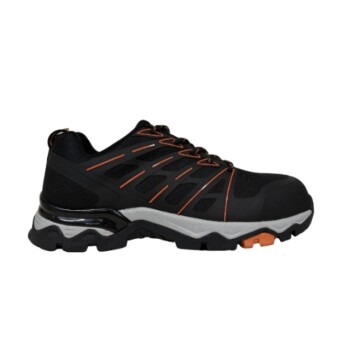
Force platforms act as the definitive biomechanical judges in the manufacturing of high-performance footwear. By precisely quantifying Ground Reaction Force (GRF), these devices measure exactly how a shoe manages plantar pressure and shock absorption. This data transforms subjective "comfort" into objective engineering metrics, ensuring safety shoes and tactical boots provide the necessary stability and cushioning for demanding environments.
In mass production, force platforms bridge the gap between design theory and real-world safety. They provide the quantitative evidence required to verify that bulk-produced outsoles meet strict biomechanical standards for stability and impact protection.
Transforming Gait into Data
Measuring Ground Reaction Force (GRF)
Force platforms function by capturing the dynamic load generated during the human gait cycle. They measure the "push back" from the ground as a person walks or runs.
This metric is essential for understanding the stress placed on the wearer's joints. It quantifies the intensity of impact every time the heel strikes the ground.
Analyzing Plantar Pressure Distribution
Beyond simple force, these platforms map how weight is distributed across the surface of the foot. This data highlights specific zones of high pressure.
For tactical boots, this analysis identifies potential "hot spots" that could cause blistering or fatigue. It ensures the load is spread evenly across the outsole.
Quality Control in Bulk Production
Validating Cushioning Performance
Manufacturers use shock absorption data from force platforms to evaluate the effectiveness of the midsole. This is critical for high-intensity work environments where users are on their feet all day.
If the GRF data shows excessive impact transfer, the cushioning materials can be adjusted. This ensures the final product effectively dampens shock before it reaches the skeletal system.
Verifying Structural Stability
Structural stability is paramount for safety shoes used in hazardous terrain. Force platforms detect lateral sways or imbalances during the gait cycle.
This allows engineers to reinforce the outsole design to prevent ankle rolls. It guarantees that the boot provides a stable, neutral foundation for the wearer.
Adhering to Biomechanical Standards
The ultimate goal of using force platforms is consistency. They ensure that every batch of bulk-produced footwear meets pre-defined biomechanical criteria.
This quantitative approach replaces guesswork with physics. It confirms that the mass-produced boot functions exactly as the prototype intended.
Limitations and Considerations
The Controlled Environment Factor
Force platform testing typically occurs in a clean, flat laboratory setting. This environment does not perfectly replicate the uneven, muddy, or debris-filled terrain tactical boots encounter.
Data Interpretation Complexity
Possessing GRF data is not the same as having a solution. The raw numbers regarding pressure and force must be interpreted by biomechanical experts to result in meaningful design changes.
Optimizing Footwear Development
To effectively leverage force platform technology in your manufacturing process, align your testing metrics with your specific performance goals.
- If your primary focus is Injury Prevention: Prioritize shock absorption data to minimize the Ground Reaction Force transferred to the user's joints.
- If your primary focus is Terrain Agility: Focus on plantar pressure distribution to ensure the boot maintains structural stability during rapid movements.
By integrating quantitative biomechanical data into your quality assurance process, you ensure that every pair of boots delivers reliable, science-backed protection.
Summary Table:
| Metric Category | Measurement Focus | Manufacturing Benefit |
|---|---|---|
| Ground Reaction Force (GRF) | Impact intensity at heel strike | Validates midsole shock absorption and joint protection |
| Plantar Pressure | Weight distribution mapping | Eliminates high-pressure hotspots to reduce user fatigue |
| Lateral Stability | Gait sway and balance | Refines outsole architecture to prevent ankle rolling |
| Biomechanical QC | Prototype-to-batch consistency | Ensures bulk-produced footwear meets safety standards |
Partner with a Manufacturer That Prioritizes Science-Backed Safety
As a large-scale manufacturer serving global distributors and brand owners, 3515 leverages advanced biomechanical principles to ensure every pair of boots exceeds performance expectations. Our comprehensive production capabilities cover everything from our flagship Safety Shoes and Tactical Boots to high-performance outdoor, training, and formal footwear.
By choosing 3515, you gain access to:
- Precision Engineering: Footwear designed to minimize impact and maximize structural stability.
- Bulk Consistency: Rigorous quality control that ensures every mass-produced batch mirrors our high-performance prototypes.
- Versatile Portfolio: A one-stop solution for work, tactical, and athletic footwear requirements.
Ready to elevate your product line with industry-leading footwear? Contact us today to discuss your bulk requirements!
References
- Prateek Singhal, Upendra N. Dwivedi. Unveiling Patterns and Abnormalities of Human Gait: A Comprehensive Study. DOI: 10.51983/ijiss-2024.14.1.3754
This article is also based on technical information from 3515 Knowledge Base .
Related Products
- Premium Suede Sport Safety Shoes for Wholesale & Bulk Orders
- Premium Lightweight Safety Shoes for Wholesale & Bulk Orders
- Wholesale Anti-Smash & Puncture-Proof Safety Shoes Custom Manufacturing for Brands
- Premium KPU Injection Athletic Style Safety Shoes
- Premium Safety Shoes with Rotating Buckle Safety Sneakers
People Also Ask
- What are the primary functions of professional safety shoes? Maximize Safety in Water Supply Confined Spaces
- What industries have specific OSHA footwear requirements? Ensure Compliance & Protect Your Workforce
- What role do specialized safety shoes play in preventing falls? Engineering Stability in Industrial Environments
- What are the technical advantages of integrating sensors into safety shoes? Achieve Superior Motion Capture Precision
- What are the main safety features of S1-S5 shoes? The 3 Essential Protections Explained