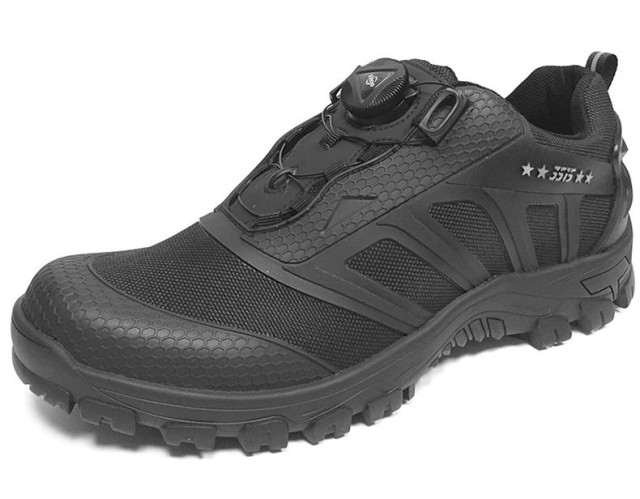
When every step counts on challenging terrain, your footwear becomes the foundation of endurance. Modern trekking shoes integrate biomechanical insights and material science to address three critical needs: reducing joint strain, maintaining stability under heavy loads, and adapting to unpredictable surfaces.
Anatomy of a High-Performance Trekking Shoe
Lateral Support Systems: Beyond Ankle Protection
High-cut designs aren’t just about preventing ankle rolls—they redistribute impact forces upward through the shin, reducing localized fatigue. Research shows that reinforced heel counters (the stiff material wrapping the back of the shoe) work with midfoot webbing to minimize sideways motion, cutting lateral strain by approximately 30% compared to low-top shoes.
For distributors and brands targeting multi-day hikers, prioritizing these features means offering products that actively combat overuse injuries.
The Science of Torsional Stiffness and Load Distribution
A sole that twists too easily forces foot muscles to overcompensate, accelerating fatigue. Torsionally stiff soles—often reinforced with nylon or carbon fiber shanks—act like a suspension bridge:
- Front flexibility allows natural toe-off during strides
- Midfoot rigidity maintains stability under backpack loads
- Heel cushioning absorbs shock vertically without lateral collapse
This engineering mimics the foot’s natural load transfer, reducing energy expenditure by keeping joints aligned.
Waterproofing vs. Breathability: Striking the Balance
Waterproof membranes (like Gore-Tex) excel in wet conditions but trap heat—a trade-off confirmed by field tests showing breathability reductions of 40-60%. For hot climates or high-intensity hikes, non-waterproof shoes with:
- Mesh panels for airflow
- Quick-drying liners
- Antimicrobial treatments
prove more comfortable. Bulk buyers should consider regional weather patterns when selecting inventory—temperate rainforests demand different features than arid mountain trails.
Grip Mastery: Engineering Soles for Unpredictable Terrain
Traction isn’t just about lug depth; it’s about pattern geometry. Leading manufacturers use:
- Directional lugs: Forward-facing chevrons prevent backsliding on ascents
- Staggered spacing: Gaps between lugs shed mud without compromising surface contact
- Dual-density rubber: Softer compounds at the edges enhance rock adhesion, while firmer center sections resist abrasion
This multi-angle approach improves grip by up to 25% on loose scree compared to uniform treads.
Selecting for Heavy Loads: How Design Compensates for Backpack Weight
Every extra kilogram in your pack multiplies ground reaction forces. Trekking shoes mitigate this through:
- Wider platforms: Distributing weight across a larger surface area reduces peak pressure points
- Structured midsoles: EVA foam with progressive density (softer at impact zones, firmer under arch) cushions without bottoming out
- Dynamic lacing systems: Locking eyelets prevent foot slippage during descents
Field studies note that properly designed shoes can reduce perceived exertion by nearly 20% when carrying 15+ kg loads.
For distributors and brands: 3515’s manufacturing expertise translates biomechanical research into scalable production. Let’s collaborate to equip your clients with footwear that turns grueling hikes into achievements. [Contact our team] to discuss tailored solutions for your market.
Related Products
- Durable Rubber Sole Outdoor Shoes Wholesale & Custom Manufacturing
- Wholesale Durable Camouflage Canvas Shoes with High-Traction Cleated Rubber Sole
- Wholesale Durable Camo Canvas Shoes with High-Traction Rubber Soles
- Advanced KPU Athletic Safety Shoe with Steel Toe Cap Anti-Slip Rotary Lacing System
- Wholesale Leather Apron Toe Derby Shoes Custom Factory Production
Related Articles
- How Rubber-Soled Shoes Master All Seasons: The Science of Traction and Adaptability
- Why Vulcanized Soles Dominate High-Performance Footwear: A Technical Deep Dive
- How Vulcanized Shoe Construction Delivers Unmatched Durability and Flexibility
- Vulcanized Shoes Decoded: When They Shine and When to Choose Alternatives
- How Precision in Vulcanized Shoe Finishing Defines Durability and Comfort