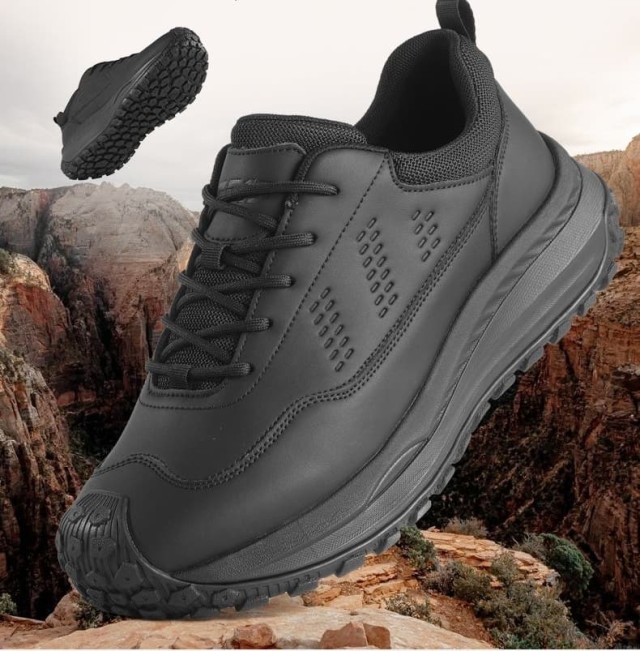
Benefit-Driven CTA:
Equip your outdoor retail business or brand with 3515's durable trekking boots—engineered for longevity to reduce customer replacement cycles and environmental impact. Partner with us for bulk footwear solutions that balance performance with sustainability.
Maximizing Trekking Boot Lifespan: Beyond Basic Durability
Trekking boots are a significant investment for outdoor enthusiasts, but their lifespan hinges on more than just rugged materials. Research shows that proper care can double or even triple a boot’s usable years, translating to substantial cost savings and reduced environmental waste.
The Economic Case: How Boot Longevity Reduces Lifetime Ownership Costs
- Cost Per Mile: Extending a boot’s lifespan from 500 to 1,500 miles slashes the cost per mile by over 60%.
- Replacement Cycles: Fewer purchases mean long-term savings—high-quality boots maintained well can last 5+ years instead of 2–3.
- Resale Value: Well-preserved boots retain higher resale value for gear recycling markets.
Environmental Stewardship: Quantifying Waste and Carbon Footprint Reduction
- Manufacturing Impact: Producing one pair of boots consumes ~50 gallons of water and generates ~30 lbs of CO₂. Extending use directly cuts this footprint.
- Landfill Diversion: The average hiker discards 2–3 pairs of boots per decade; proper maintenance can halve this waste.
Proven Maintenance Techniques for Different Boot Materials
Leather vs. Synthetic: Customized Cleaning and Waterproofing Protocols
Leather Boots:
- Cleaning: Use a soft brush and pH-balanced soap. Avoid harsh detergents that strip natural oils.
-
Conditioning: Apply wax-based products (e.g., beeswax) every 3–6 months to prevent cracking.
- Pro Tip: Wax outperforms silicone for full-grain leather, offering deeper penetration and better moisture resistance.
- Waterproofing: Seal seams first, then apply 2 thin coats of wax or polish, focusing on stress points like toe caps.
Synthetic Boots (Nylon/PVC):
- Cleaning: Wipe with a damp cloth; avoid abrasive tools that fray fibers.
- Waterproofing: Use silicone-free sprays designed for synthetics. Reapply every 4–8 weeks in wet climates.
Sole Preservation: When to Repair vs. Replace Tread Patterns
- Repair: If 40–60% of the tread remains, resoling costs 30–50% less than a new pair.
- Replace: Worn-out lugs (under 30% depth) compromise traction and increase ankle strain.
Real-World Applications and Sustainability Validation
Case Study: Thru-Hiker Boot Survival Rates Across Terrains
- Rocky Terrain: Boots with regular sole inspections and cleaning lasted 800+ miles vs. 500 miles for neglected pairs.
- Wet Conditions: Wax-treated leather boots resisted moisture 3× longer than untreated ones in Pacific Northwest trails.
Industry Data: Footwear Manufacturing’s Resource Consumption per Unit
- Energy: Producing one boot requires ~200 MJ of energy—equivalent to powering a smartphone for 18 months.
- Materials: Synthetic boots use 20% fewer raw materials than leather but are harder to recycle.
Final Thought:
Every boot-care ritual—whether brushing off mud or reapplying wax—adds miles to your journey and reduces your ecological shadow. For bulk buyers and brands, prioritizing durable designs and educating end-users on maintenance creates a ripple effect: fewer boots made, fewer boots wasted.
Partner with 3515 to supply footwear built for endurance, and join the movement toward sustainable outdoor gear.
Related Products
- Wholesale High-Traction Camo Boots - Custom Manufacturer for Brands
- Wholesale Lightweight Tactical Boots Custom Manufacturer for Desert & Combat Use
- Durable Rubber Sole Outdoor Shoes Wholesale & Custom Manufacturing
- Wholesale Waterproof Tactical Boots Custom Suede & High-Traction Soles
- Durable Leather High-Ankle Tactical Boots for Wholesale & Custom Manufacturing
Related Articles
- How Camouflage Evolved: From Battlefield Survival to Fashion Statement
- How Tactical Camouflage Boots Enhance Performance Through Science and Design
- How Tactical Footwear Camouflage Works: Science, Adaptation, and Mission Success
- Why Your Tactical Boots Keep Failing—And Why 'Tougher' Isn't the Answer
- The Agility-Protection Paradox: Deconstructing Safety in Modern Tactical Footwear



















