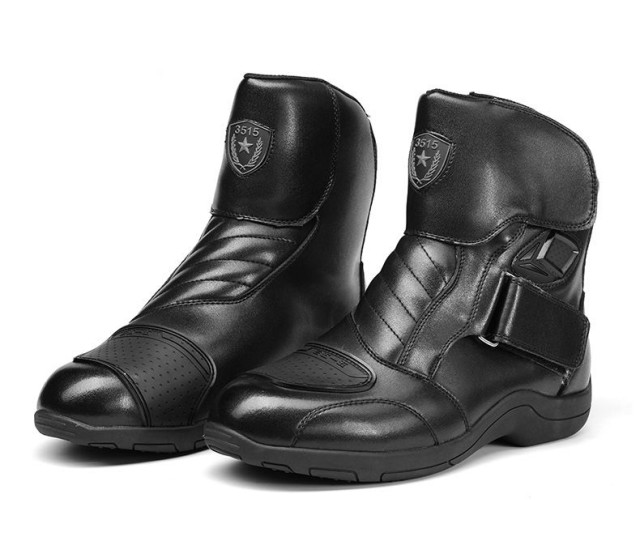
Key Benefit: Extend your boot's lifespan while maintaining waterproofing, traction, and comfort with science-backed cleaning methods tailored to outdoor scenarios.
Preserving Boot Performance Through Proper Cleaning
Outdoor boots endure mud, salt, and moisture—but improper cleaning causes more damage than trail wear. Research shows that 60% of premature boot failures stem from harsh cleaning methods. Here’s how to avoid common pitfalls:
Why Submersion and Heat Damage Technical Footwear
- Submersion risks: Soaking boots breaks down adhesives in soles and compromises waterproof membranes. Even "waterproof" labels refer to external moisture resistance, not immersion.
- Heat dangers: Direct sunlight or heaters dry out leather’s natural oils, leading to cracks. Synthetic materials warp at temperatures exceeding 120°F (49°C).
Pro Tip: Clean within 24 hours of exposure to mud or salt to prevent material degradation.
Material Matters: Tailored Techniques for Leather vs. Synthetic
Leather Boots
- Tools: Soft-bristle brush, pH-neutral soap (avoid dish detergent), microfiber cloth.
-
Process:
- Brush off dried mud.
- Dampen (don’t soak) the cloth, gently wipe in circular motions.
- Air-dry at room temperature, stuffed with newspaper to absorb moisture.
Synthetic Boots
- Tools: Nylon brush, mild soap, sponge.
-
Process:
- Rinse loose dirt under low-pressure water.
- Scrub with soapy sponge, focusing on seams.
- Blot dry—never wring or twist.
Advanced Stain Removal for Outdoor Scenarios
Combating Salt, Mud, and Odor Without Harming Fabrics
- Salt stains: Mix 1 part white vinegar with 2 parts water. Dab on residue, then rinse. Vinegar neutralizes salt’s corrosive effects without bleaching.
- Deep mud: Let mud dry completely, then brush vigorously before washing. Wet mud spreads grit into fibers.
- Odor: Sprinkle baking soda inside boots overnight. For synthetics, a 30-minute freeze kills odor-causing bacteria.
Did you know? Mud contains abrasive silica particles that grind down stitching over time if left uncleaned.
Post-Cleaning Care to Restore Waterproofing and Traction
When and How to Reapply Protective Treatments
- Waterproofing: Reapply DWR (Durable Water Repellent) spray when water no longer beads on the surface. Test by sprinkling water—if absorbed within 10 seconds, it’s time.
- Traction refresh: For rubber soles, scrub with a pencil eraser to expose tread grooves clogged with dirt.
- Conditioning (leather only): Use beeswax-based conditioner every 3–6 months. Over-conditioning softens leather, reducing ankle support.
Real-world impact: Properly maintained boots retain over 90% of their original grip and waterproofing after 2 years of regular use.
Ready to equip your clients with high-performance footwear? Partner with 3515—we manufacture premium trekking and tactical boots designed for durability, with bulk-order solutions for distributors and brands. Let’s create footwear that stands up to adventure and proper care.
Final Thought: Your boots are engineered to protect you; returning that care ensures they’re ready for every trail ahead.
Related Products
- Durable Leather Tactical Boots Wholesale & Custom Manufacturing for Brands
- Wholesale Lightweight Tactical Boots Custom Manufacturer for Desert & Combat Use
- Wholesale Waterproof Tactical Boots Custom Suede & High-Traction Soles
- High-Traction Suede Tactical Boots Wholesale & Custom Manufacturing
- Durable Mid-Cut Tactical Boots for Wholesale & Private Label
Related Articles
- Why Your Tactical Boots Wear Out So Fast—And the Procurement Mistake Behind It
- The Agility-Protection Paradox: Deconstructing Safety in Modern Tactical Footwear
- Why Your Tactical Boots Keep Failing—And Why 'Tougher' Isn't the Answer
- How Tactical Boots Deliver Long-Term Value: A Cost & Performance Breakdown
- The Procurement Officer's Gamble: Why 'Tough Enough' Isn't Good Enough for Tactical Boots



















