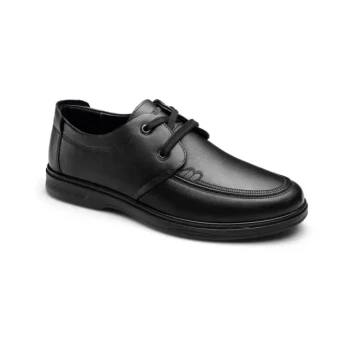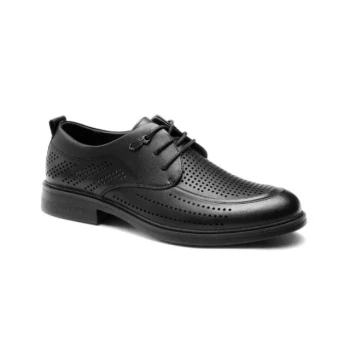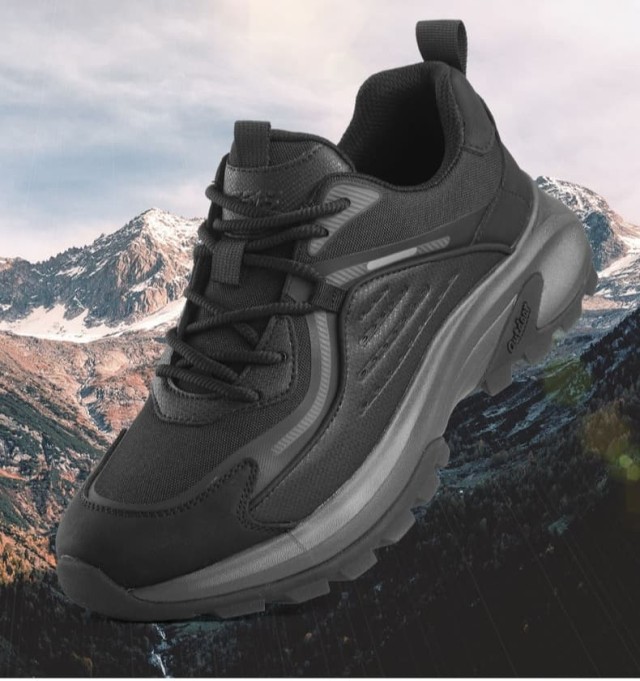
Selecting the right trekking shoe upper material isn't just about comfort—it's about performance, safety, and adapting to nature's unpredictability. Whether you're facing rocky alpine trails or muddy rainforest paths, your shoe's upper material determines durability, breathability, and protection. Here’s how to match materials to your environment and needs.
Trekking Shoe Upper Materials Decoded
Leather vs. Synthetics: Core Strengths and Limitations
Leather (Full-Grain & Top-Grain)
- Pros: Superior abrasion resistance (ideal for rocky terrain), molds to feet over time, and naturally water-resistant when treated.
- Cons: Heavier, slower to dry, and less breathable in humid climates.
Synthetics (Nylon, Mesh, TPU-Coated Fabrics)
- Pros: Lightweight, quick-drying, and highly breathable (best for wet/cold conditions). TPU coatings add abrasion resistance.
- Cons: Less durable over time compared to leather, especially in sharp-rock environments.
Key Insight: Research shows leather excels in stability for dry trails, while synthetics outperform in moisture management.
Climate-Driven Material Performance
| Climate | Best Material Choices | Why It Works |
|---|---|---|
| Dry/Hot | Breathable mesh, thin leather | Prevents overheating |
| Wet/Cold | TPU-coated synthetics, treated leather | Blocks moisture, retains heat |
| Mixed | Hybrid designs (leather + mesh panels) | Balances protection & airflow |
Pro Tip: In monsoons, prioritize synthetics with welded seams to avoid water seepage.
Beyond Basics: Hybrid Technologies and Emerging Materials
- Waterproof Membranes (e.g., eVent®): Integrated into synthetics for rain protection without sacrificing breathability.
- Recycled Fabrics: Brands now use post-consumer plastics for eco-friendly uppers with comparable performance.
- 3D-Printed Uppers: Custom-fit designs emerging for high-end trekking shoes, reducing weight by ~15%.
Actionable Selection Framework
Prioritize Your Top Need
- Stability → Full-grain leather (best for heavy loads/rough terrain).
- Breathability → Open-knit synthetics (ideal for tropical hikes).
- Quick-Drying → TPU-coated mesh (essential for river crossings).
Terrain-Specific Recommendations
- Rocky/Alpine: Leather or reinforced synthetics with toe caps.
- Muddy: Synthetics with drainage ports (avoid suede/untreated leather).
- Desert: Lightweight mesh to minimize sand buildup.
Pro Tips from Trail Experts
Maintenance for Longevity
- Leather: Condition monthly; store with cedar shoetrees to prevent cracks.
- Synthetics: Wash with mild soap; avoid direct heat drying to prevent glue degradation.
Brand Spotlights: Material Innovations
- 3515’s Trekking Line: Combines full-grain leather ankle support with synthetic forefoot panels for agility.
- Industry Trends: Leading brands now fuse recycled polyester uppers with bio-based waterproofing.
Ready to Equip Your Next Adventure?
3515 partners with distributors and outdoor brands to craft trekking shoes tailored to any climate or trail. From bulk orders to custom material solutions, we ensure your footwear meets the demands of the wild. [Contact 3515] to discuss your project—let’s build shoes that outlast the journey.
Because the right material doesn’t just protect your feet; it powers every step.
Related Products
- Durable Rubber Sole Outdoor Shoes Wholesale & Custom Manufacturing
- Wholesale Durable Camouflage Canvas Shoes with High-Traction Cleated Rubber Sole
- Wholesale Durable Camo Canvas Shoes with High-Traction Rubber Soles
- Advanced KPU Athletic Safety Shoe with Steel Toe Cap Anti-Slip Rotary Lacing System
- Wholesale Leather Apron Toe Derby Shoes Custom Factory Production
Related Articles
- How Rubber-Soled Shoes Master All Seasons: The Science of Traction and Adaptability
- Why Vulcanized Soles Dominate High-Performance Footwear: A Technical Deep Dive
- How Vulcanized Shoe Construction Delivers Unmatched Durability and Flexibility
- Vulcanized Shoes Decoded: When They Shine and When to Choose Alternatives
- How Precision in Vulcanized Shoe Finishing Defines Durability and Comfort