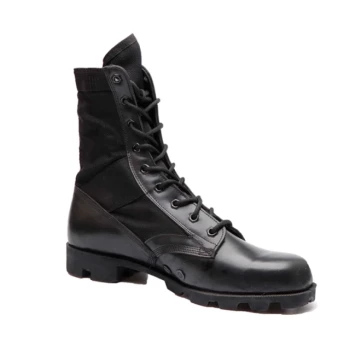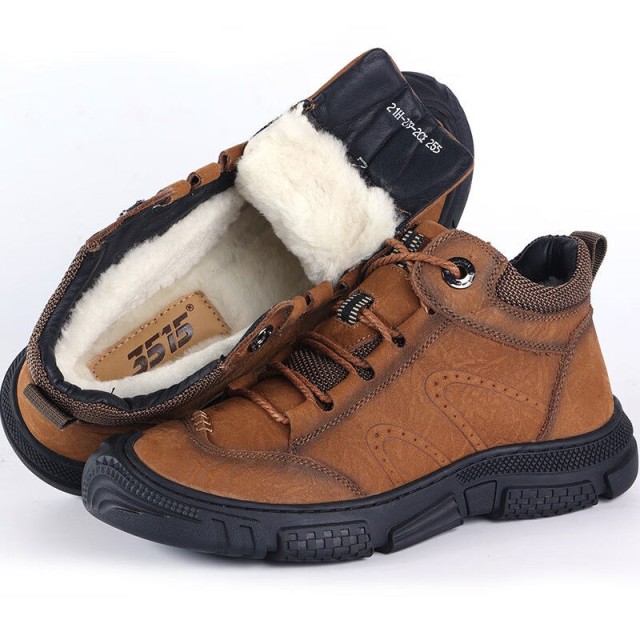
Selecting the perfect footwear for outdoor adventures or tactical operations isn’t just about aesthetics—it’s about matching technical specifications to your specific needs. Whether you’re navigating rocky trails or enduring long missions, the right shoes enhance performance, safety, and comfort. Here’s how to prioritize features based on your activity.
Understanding Your Use Case
Terrain Type and Tread Pattern Compatibility
The ground beneath your feet dictates your shoe’s tread design. Research shows that:
- Rocky/uneven terrain: Deep, aggressive lugs and stiff soles prevent slips and protect against sharp edges.
- Wet/muddy conditions: Waterproof membranes (e.g., Gore-Tex) and self-cleaning treads keep feet dry.
- Soft/sandy surfaces: Wider-spaced lugs prevent clogging and improve traction.
- Urban/tactical ops: Low-profile treads offer stability on hard surfaces without compromising stealth.
Duration and Load Impact on Material Selection
Longer excursions or heavy loads demand durability:
- Multi-day hikes: Reinforced toe caps and abrasion-resistant synthetics (e.g., Cordura) withstand wear.
- Lightweight missions: Breathable mesh reduces fatigue but may sacrifice protection.
User Anatomy and Support Requirements
Foot shape and arch type influence support needs:
- High arches benefit from cushioned midsoles, while flat feet require motion control.
- Ankle support is critical for uneven terrain but may limit mobility for speed-focused tasks.
Decoding Technical Specifications
Synthetics vs. Leather: Weight-Durability Tradeoffs by Climate
- Leather: Superior durability and water resistance (ideal for wet/cold climates) but heavier.
- Advanced synthetics: Lighter and faster-drying (better for warm/humid conditions) but may degrade faster under abrasion.
Lacing Systems: Lockdown Precision for Stability vs. Speed
- Traditional laces: Adjustable fit for precise ankle lockdown (e.g., mountaineering).
- Speed hooks/BOA systems: Quick adjustments for tactical scenarios requiring rapid transitions.
Midsole Tech: Energy Return vs. Long-Term Support
- EVA foam: Lightweight and cushioned but compresses over time.
- Polyurethane: Denser and more supportive for heavy loads but adds weight.
Validating Comfort and Performance
Lab Tests vs. Real-World Break-in Periods
Lab ratings (e.g., slip resistance, waterproofing) provide baseline metrics, but field testing reveals nuances:
- A "waterproof" label doesn’t guarantee comfort during prolonged rain.
- Stiff soles may feel supportive in stores but cause hotspots after miles of hiking.
User Reviews: Identifying Consensus on Blister-Prone Designs
Look for recurring themes in reviews:
- Hotspots: Reports of blisters around the heel or toe box signal poor last shaping.
- Break-in time: Leather boots often require 20–30 miles of wear to soften.
Final Considerations: Aligning Gear with Goals
Your shoes should disappear beneath you—letting you focus on the trail or mission. Prioritize:
- Terrain-specific treads over generic designs.
- Climate-appropriate materials (e.g., synthetics for humidity, leather for ruggedness).
- User-tested comfort beyond manufacturer claims.
Ready to equip your next adventure? Partner with 3515 for bulk footwear solutions tailored to distributors and brands. Our expertise ensures performance-driven designs for every terrain and demand.
Related Products
- Durable Leather Tactical Boots Wholesale & Custom Manufacturing for Brands
- Wholesale Waterproof Tactical Boots Custom Suede & High-Traction Soles
- Wholesale High-Traction Camo Boots - Custom Manufacturer for Brands
- Durable Leather High-Ankle Tactical Boots for Wholesale & Custom Manufacturing
- Wholesale Lightweight Tactical Boots with Dial Closure OEM & Bulk Orders
Related Articles
- Why Your Tactical Boots Wear Out So Fast—And the Procurement Mistake Behind It
- The Agility-Protection Paradox: Deconstructing Safety in Modern Tactical Footwear
- Why Your Tactical Boots Keep Failing—And Why 'Tougher' Isn't the Answer
- How Tactical Boots Deliver Long-Term Value: A Cost & Performance Breakdown
- The Procurement Officer's Gamble: Why 'Tough Enough' Isn't Good Enough for Tactical Boots