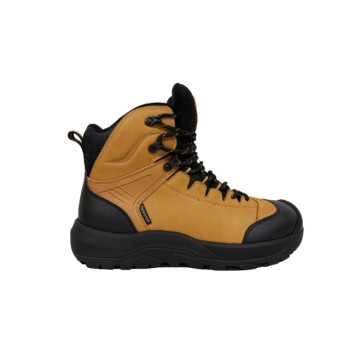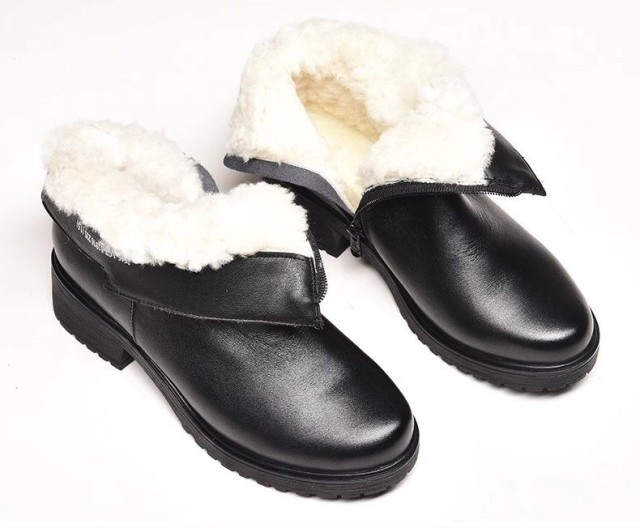
Winter demands footwear that adapts to your environment—whether navigating icy trails, shoveling deep snow, or commuting in slushy cities. This guide breaks down snow boot categories by performance features, helping you select the right pair for specific activities and climates.
Understanding Snow Boot Categories
Design Features and Performance Priorities
Snow boots prioritize protection and traction, while winter boots balance insulation with urban practicality. Key distinctions include:
-
Snow Boots: Engineered for extreme conditions (deep snow, sub-zero temps) with:
- High waterproofing (knee-height or sealed seams)
- Aggressive treads or spike-compatible soles
- Reinforced toe/heel for stability
-
Winter Boots: Designed for moderate cold and paved surfaces, featuring:
- Lightweight insulation (e.g., Thinsulate™)
- Sleeker profiles for daily wear
- Moderate treads for packed snow
Example: Wellington-style snow boots excel in deep powder by preventing snow ingress, while insulated hiking boots suit mixed icy trails.
Matching Boots to Winter Scenarios
| Activity/Condition | Recommended Boot Type | Why It Works |
|---|---|---|
| Deep snow hiking | Knee-high waterproof boots | Blocks snow entry, maximizes grip |
| Urban commuting | Insulated winter boots | Lightweight, slip-resistant |
| Ice fishing/shoveling | Spike-ready or Arctic-rated | Prevents freezing, toe warmth |
Pro Tip: For variable conditions (e.g., snow-to-rain), look for adaptable liners and quick-dry uppers.
Key Considerations for Purchase
Material and Traction Technology
-
Outsoles:
- Vibram®/Arctic Grip: Best for ice (
- Microspikes: Detachable for mixed terrain
- Deep Lug Patterns: Shed snow buildup
-
Uppers:
- Rubber (e.g., Wellington): 100% waterproof but less breathable
- Leather/Textile: Treated for water resistance, more flexible
Data Point: Research shows rubber outsoles with multidirectional lugs reduce slip accidents by over 40% on icy surfaces.
Insulation and Adaptability
-
Temperature Ratings:
- -10° to -20°C: Thinsulate™ 200–400g
- Below -30°C: Felt/fleece liners + reflective layers
-
Adjustability:
- Removable Liners: Allow drying after wet use
- Gaiters: Add knee protection in storms
User Insight: Skiers often prefer boots with dual-density insulation—lighter for activity, thicker for rest periods.
Final Recommendations
- For Distributors/Bulk Buyers: Partner with 3515 to source activity-specific snow boots tailored to regional climates—from lightweight urban designs to expedition-grade Arctic models. Our manufacturing expertise ensures scalable solutions without compromising on technical performance.
Reflective Question: How might your customers’ winter activities dictate their ideal boot features?
By aligning boot capabilities with real-world conditions, you ensure safety, comfort, and longevity—key factors for both end-users and bulk purchasers.
Related Products
- Premium Insulated Safety Boots and Shoes for Wholesale & Bulk Orders
- Durable Waterproof Rain Boots | Custom Manufacturer for Wholesale & Brands
- Factory Direct Wholesale Rain Boots Durable Waterproof & Fully Customizable
- Wholesale Waterproof Tactical Boots Custom Suede & High-Traction Soles
- Wholesale Lightweight Tactical Boots Custom Manufacturer for Desert & Combat Use
Related Articles
- More Than Warmth: The Dual-System Safety Engineering of Insulated Boots
- How to Choose Cold-Weather Safety Boots: Material Science Meets Sub-Zero Performance
- How to Choose Snow Boot Insulation for Any Weather and Activity
- How to Choose Snow Boot Insulation for Your Climate and Activities
- How to Choose Winter Boots That Actually Work for Your Climate and Lifestyle