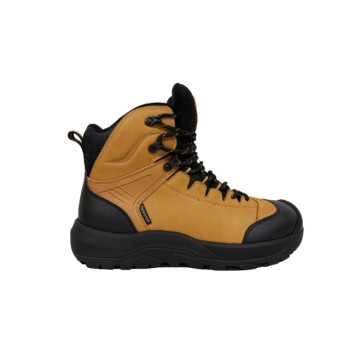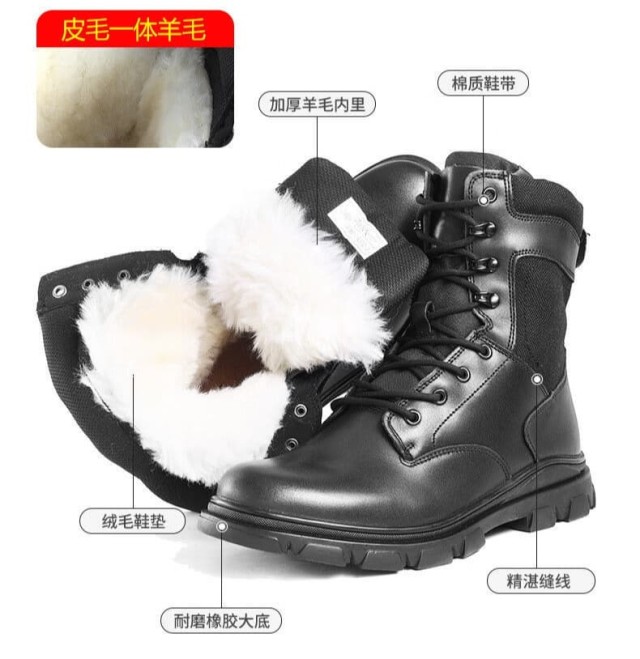
Snow boots aren't just about keeping your feet dry—they're your first line of defense against frostbite and discomfort. The right insulation balances warmth, breathability, and mobility, whether you're shoveling your driveway or trekking through Arctic tundra. This guide breaks down the science of insulation materials, climate considerations, and activity-specific needs to help you make informed choices.
Why Insulation Matters in Snow Boots
How Insulation Traps Body Heat
Insulation works by creating tiny air pockets that slow heat transfer. Think of it like a thermos for your feet: the more effectively these pockets trap warm air, the less energy your body spends reheating them. Research shows that proper insulation can reduce heat loss by over 50% compared to uninsulated footwear.
The Role of Climate and Activity in Insulation Needs
- Climate: A Toronto commuter needs different insulation than a Yukon ice fisher. For temperatures above -10°C (14°F), 200–400g insulation suffices, while -20°C (-4°F) demands 800g+.
- Activity: High-intensity movement (e.g., snowshoeing) generates body heat, often requiring lighter insulation (100–200g) to avoid sweating. Low-activity scenarios (e.g., ice fishing) prioritize maximum warmth (600g+).
Insulation Materials Decoded
Synthetic vs. Natural: Pros and Cons
| Material | Pros | Cons | Best For |
|---|---|---|---|
| Thinsulate™ | Lightweight, retains warmth when wet | Less breathable than wool | Urban winters, wet conditions |
| PrimaLoft® | Mimics down’s loft, dries fast | Higher cost | Backpacking, variable weather |
| Wool | Naturally moisture-wicking, odor-resistant | Bulkier, slower drying | Everyday wear, mild activity |
| Fleece | Affordable, soft against skin | Loses loft when compressed | Light insulation layers |
Multilayer Systems and Thermal Efficiency
Premium boots combine materials strategically:
- Inner liner: Moisture-wicking fleece or wool
- Mid-layer: Synthetic insulation (e.g., Thinsulate™) for heat retention
- Outer shell: Waterproof membrane (e.g., Gore-Tex®)
This system adapts to both -30°C blizzards and slushy city streets.
Choosing the Right Insulation for Your Use Case
Urban Winter vs. Backcountry Expeditions
- City dwellers: Prioritize lightweight insulation (200–400g) and slip-resistant soles. Look for boots with a CLO value (thermal resistance rating) of 0.3–0.5.
- Off-grid adventurers: Opt for 800g+ insulation and removable liners. Pair with vapor barrier socks for -40°C expeditions.
Matching Insulation to Activity Intensity
- Low activity (e.g., hunting): 600–2000g insulation; consider battery-heated options for prolonged stillness.
- High activity (e.g., snowmobiling): 100–400g insulation to prevent overheating.
Maximizing Insulation Longevity
Maintenance Tips for Sustained Warmth
- Air-dry boots away from direct heat to prevent insulation clumping.
- Use cedar shoe trees to absorb moisture and maintain loft.
- Wash liners monthly with wool-safe detergent to restore breathability.
Pro Tip: Store boots with crumpled newspaper to wick residual dampness.
Step Into the Right Pair
3515 partners with distributors and brands to deliver purpose-built snow boots for every climate and activity. Whether you need bulk orders for utility workers or custom designs for alpine explorers, our manufacturing expertise ensures optimal insulation without compromising durability.
Ready to equip your customers with scientifically backed warmth? Contact 3515 to discuss scalable solutions tailored to your market’s needs.
Related Products
- Premium Insulated Safety Boots and Shoes for Wholesale & Bulk Orders
- Factory Direct Wholesale Rain Boots Durable Waterproof & Fully Customizable
- Durable Waterproof Rain Boots | Custom Manufacturer for Wholesale & Brands
- Wholesale Waterproof Tactical Boots Custom Suede & High-Traction Soles
- Wholesale Lightweight Tactical Boots Custom Manufacturer for Desert & Combat Use
Related Articles
- More Than Warmth: The Dual-System Safety Engineering of Insulated Boots
- How to Choose Cold-Weather Safety Boots: Material Science Meets Sub-Zero Performance
- How to Choose Snow Boot Insulation for Any Weather and Activity
- How to Choose Snow Boot Insulation for Your Climate and Activities
- How to Choose Winter Boots That Actually Work for Your Climate and Lifestyle