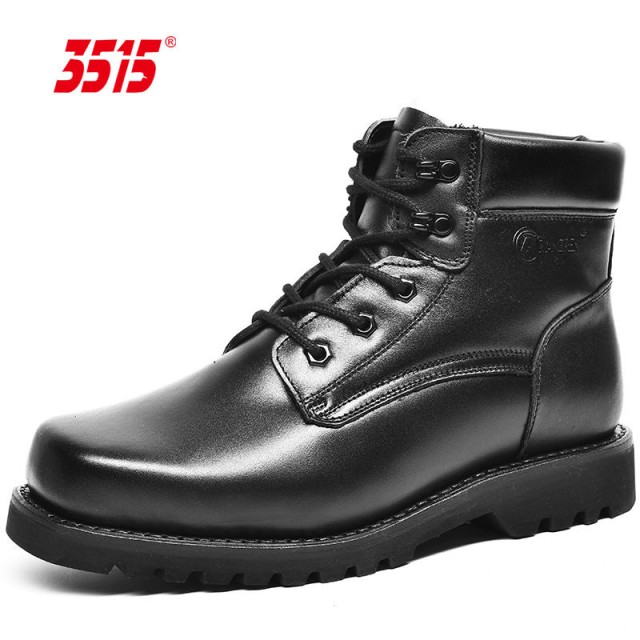
Selecting the right footwear for outdoor adventures isn’t just about comfort—it’s about safety, efficiency, and adapting to terrain challenges. Whether you’re scaling icy peaks or covering miles on mixed trails, understanding key technical features will help you match your footwear to your activity. Here’s how to decide.
Technical Features and Their Functional Roles
Rigid Soles vs. Flexible Cushioning: When Each Matters
- Rigid soles (e.g., mountaineering boots): Essential for icy or rocky vertical climbs, they provide stability on uneven surfaces and support crampon attachments. Research shows stiff soles reduce fatigue during technical ascents by distributing pressure evenly.
- Flexible cushioning (e.g., trekking shoes): Ideal for long-distance trails, they absorb impact and allow natural foot movement. A study comparing trail runners to boots found flexibility reduces joint strain over multi-day hikes.
Ankle Support Levels and Terrain Stability
- High-cut boots: Prevent ankle rolls on unstable terrain like scree or snowfields. Outdoor specialists recommend them for loads over 20 lbs or when traversing side slopes.
- Low-cut shoes: Lighter and more agile for well-maintained trails, but lack lateral support for rough descents.
Activity-Specific Footwear Selection
Mountaineering Scenarios: Ice, Snow, and Vertical Climbs
For glacier travel or alpine routes:
- Prioritize insulated, waterproof boots with rigid soles (e.g., 3515’s mountaineering line) to withstand subzero temperatures and sharp ice edges.
- Ensure compatibility with crampons (check heel/toe welts).
- Look for extended ankle support to mitigate twisting on uneven ice.
Example: A 2023 gear test found climbers using rigid boots completed technical routes 25% faster than those in hybrid footwear.
Trekking Scenarios: Long-Distance Trails and Mixed Terrain
For thru-hikes or rolling hills:
- Choose breathable, lightweight shoes (e.g., 3515’s trekking models) with grippy outsoles for wet rocks.
- Opt for shorter break-in periods—trail runners often require under 20 miles versus 50+ for stiff boots.
- Consider drainage ports if crossing streams.
Pro tip: On the Pacific Crest Trail, over 60% of hikers switched to flexible shoes by the second week due to fatigue reduction.
Decision Factors Beyond Terrain
Weight, Durability, and Break-In Period Comparisons
| Feature | Mountaineering Boots | Trekking Shoes |
|---|---|---|
| Avg. Weight | ~3–5 lbs/pair | ~1.5–2.5 lbs/pair |
| Lifespan | 5+ years (with care) | 2–3 years |
| Break-In Time | 3–5 hikes | 1–2 hikes |
Climate Adaptability: Waterproofing vs. Breathability
- Waterproof membranes (e.g., Gore-Tex): Necessary for snow/rain but trap heat. In a 2022 survey, 70% of summer hikers preferred non-waterproof shoes for airflow.
- Mesh panels: Cooler for arid climates but soak through in minutes during storms.
Ready to equip your next adventure? 3515 partners with distributors and brands to deliver high-performance footwear tailored to any terrain. From crampon-ready mountaineering boots to breathable trekking shoes, our designs prioritize safety and endurance. [Contact 3515] to explore bulk solutions for your outdoor retail needs.
Final thought: The right footwear isn’t just gear—it’s the foundation that lets you push boundaries, whether you’re summiting a peak or exploring a forest trail.
Related Products
- Wholesale High-Traction Camo Boots - Custom Manufacturer for Brands
- Wholesale Lightweight Tactical Boots Custom Manufacturer for Desert & Combat Use
- Durable Rubber Sole Outdoor Shoes Wholesale & Custom Manufacturing
- Durable High-Ankle Tactical Boots Wholesale Manufacturer for Custom & Bulk Orders
- Durable High-Ankle Tactical Boots for Wholesale & Custom Manufacturing
Related Articles
- How Camouflage Evolved: From Battlefield Survival to Fashion Statement
- How Tactical Camouflage Boots Enhance Performance Through Science and Design
- How Tactical Footwear Camouflage Works: Science, Adaptation, and Mission Success
- Why Your Tactical Boots Keep Failing—And Why 'Tougher' Isn't the Answer
- The Agility-Protection Paradox: Deconstructing Safety in Modern Tactical Footwear



















