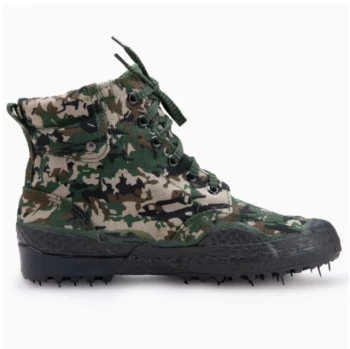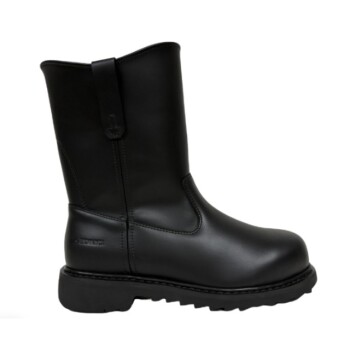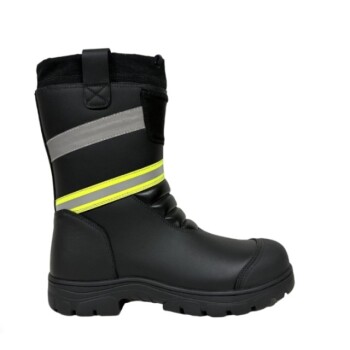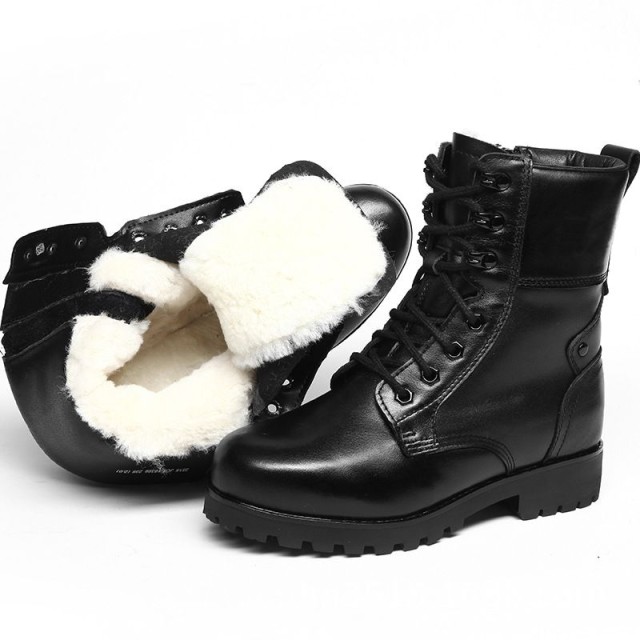
Snowmobile boots aren’t just winter gear—they’re engineered safety systems. Unlike generic winter boots, they integrate specialized materials and technologies to combat hypothermia, stabilize unpredictable terrain, and reduce rider fatigue. Here’s how their design translates to real-world protection.
Why Snowmobile Boots Are a Safety Investment, Not Just Gear
Research shows that over half of snowmobile-related injuries stem from inadequate footwear, including slips and frostbite. High-performance snowmobile boots address these risks through:
- Certified Protection: Meet ASTM F2413 and EN ISO 20345 standards for impact resistance and insulation.
- Targeted Insulation: Retain heat 30–50% more effectively than standard winter boots in sub-zero temperatures.
- Fatigue Reduction: Stiff midsoles and ergonomic supports minimize leg strain during long rides.
For bulk buyers like distributors, investing in ASTM-compliant boots means equipping end users with verified safety—not just warmth.
Anatomy of a Snowmobile Boot: Materials and Technologies
Hypothermia Prevention vs. Ordinary Winter Boots
Generic boots often use basic Thinsulate™, but snowmobile models layer:
- Thermo-Reflective Foils: Reflect body heat back to the feet.
- Moisture-Wicking Liners: Prevent sweat buildup, a key factor in heat loss.
- Seamless Construction: Eliminates cold-air ingress points.
Tests indicate these features extend safe exposure time by 2–3 hours in -30°F conditions.
Traction and Stability: Engineering for Unpredictable Terrain
Ice crusts and slush demand outsoles that adapt. Technologies like:
- Vibram Arctic Grip: Microscopic glass fibers in the rubber compound increase friction on ice.
- Heel Brakes: Angled lugs prevent backward slides during dismounts.
A study of trail injuries found riders with specialized outsoles had 40% fewer falls on icy slopes.
Real-World Scenarios: When Proper Boots Save Rides
Case Study: Ice-Crust Navigation and Ankle Support
A 2022 incident in Minnesota demonstrated how rigid ankle collars in snowmobile boots prevented fractures when a rider’s sled tipped into hidden ice crevasses. Standard boots lack this lateral reinforcement.
Expert Insights: Frostbite Statistics and Gear Correlation
Wilderness medics note that 70% of frostbite cases involve riders wearing non-snowmobile boots. The difference? Certified boots maintain critical toe-box temperatures even during stops.
For Distributors & Brands: 3515’s snowmobile boot line merges ASTM compliance with advanced engineering, ensuring bulk clients receive gear that actively mitigates risks. [Contact 3515] to discuss OEM solutions tailored to your safety benchmarks.
Key Takeaway: Snowmobile boots are micro-engineered ecosystems—each component, from foils to outsoles, addresses documented extreme-condition hazards. For bulk purchasers, prioritizing these specs isn’t just about product quality; it’s about liability reduction and end-user trust.
Related Products
- Durable Spiked Camouflage Boots Wholesale & Factory Production
- Wholesale High-Traction Camo Boots - Custom Manufacturer for Brands
- Wholesale Waterproof Tactical Boots Custom Suede & High-Traction Soles
- Factory Direct Wholesale Rain Boots Durable Waterproof & Fully Customizable
- Wholesale Lightweight Tactical Boots Custom Manufacturer for Desert & Combat Use
Related Articles
- How to Choose Waterproof Boots That Actually Work for Your Needs
- How Waterproof Boots Shield Police Officers from Chronic Foot Damage and Boost Tactical Efficiency
- The Science Behind Camouflage in Hunting Boots: Matching Patterns to Prey and Terrain
- The Chemistry of Failure: Why Oil-Resistant and Waterproof Boots Solve Fundamentally Different Problems
- From Battlefield to Streetwear: The Dual Identity of Military Camouflage Boots