Slip-resistant work boots aren’t just another safety checkbox—they’re engineered solutions that directly reduce workplace injuries while ensuring compliance with stringent industry standards. This article breaks down the science behind slip resistance, industry-specific hazards, and the financial stakes of neglecting proper footwear.
Why Slip Resistance is Non-Negotiable in High-Risk Workplaces
Slips and falls account for a significant percentage of workplace injuries across industries like construction, warehousing, and food processing. Research shows that workplaces using ASTM/ISO-compliant slip-resistant footwear report fewer accidents, translating to lower insurance claims and downtime.
How Slip Resistance Works: Tread Science and Material Innovation
Slip-resistant boots rely on two critical features:
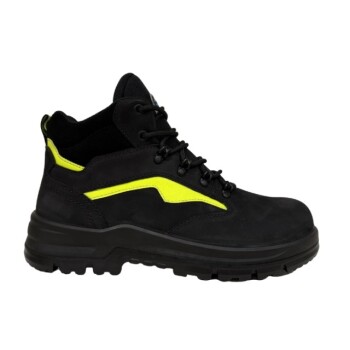
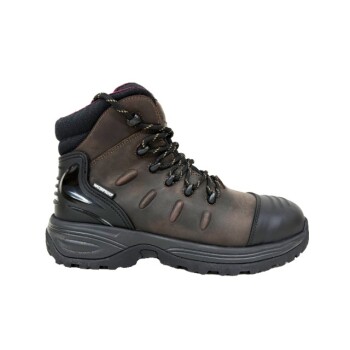
- Tread Patterns: Deep, multi-directional grooves channel liquids away, maintaining contact with the ground.
-
Outsole Materials:
- Nitrile rubber: Excels in oil and chemical resistance (common in manufacturing plants).
- TPU (Thermoplastic Polyurethane): Lightweight yet abrasion-resistant, ideal for urban worksites.
Did you know? Boots with proprietary tread designs can increase surface friction by up to 40% compared to standard soles.
Industry-Specific Hazards and Boot Requirements
- Food Service: Grease and water demand outsoles with micro-sipes (tiny grooves) for wet-floor traction.
- Construction: Rugged lug patterns prevent mud and gravel slippage.
- Healthcare: Slip-resistant soles with smooth edges avoid contaminant buildup.
Beyond Basic Safety: Compliance Standards and Cost of Neglect
Decoding ASTM/ISO Certifications for Workplace Footwear
- ASTM F2913: Tests boot slip resistance on wet, oily, and inclined surfaces. Compliant soles must achieve a minimum coefficient of friction (a measure of grip) to pass.
- ISO 20347: Covers additional features like puncture resistance, critical for industries like logistics.
Pro Tip: Look for boots labeled "SR" (Slip Resistant)—this indicates independent lab verification.
The Financial Impact of Slip-Related Injuries by Sector
- Direct Costs: Medical bills and compensation claims average tens of thousands per incident.
- Indirect Costs: Productivity loss, retraining, and reputational damage. For example, a single slip injury in a warehouse can delay operations for weeks.
A food processing plant that switched to ASTM-certified boots reported a 30% drop in slip incidents within a year, saving over $100,000 annually.
Upgrade Your Safety Strategy with 3515’s Slip-Resistant Solutions
3515’s work boots combine advanced materials like TPU and nitrile rubber with industry-specific tread designs to keep workers safe and compliant. Whether you’re a distributor supplying construction teams or a brand owner equipping healthcare staff, our bulk manufacturing capabilities ensure scalable, cost-effective protection.
Ready to reduce workplace injuries? Partner with 3515 to customize slip-resistant footwear tailored to your industry’s risks.
Related Products
- Wholesale Durable 6-Inch Work Boots | Custom & Private Label Manufacturer
- Durable Leather Moc Toe Work Boots for Wholesale & Custom Manufacturing
- Durable Goodyear Welt Leather Work Boots for Wholesale & Private Label
- Durable Leather Work Boots Wholesale Manufacturer & Custom Factory
- Factory-Direct Wholesale Canvas Boots with High-Traction Rubber Soles
Related Articles
- Steel Toe Work Boots: Balancing Safety and Comfort for Demanding Jobs
- How Job-Specific Work Boot Designs Enhance Safety and Efficiency
- How Work Boots Engineer Safety: The Science Behind Impact and Compression Protection
- The Unseen Physics of Failure: Why Work Boots Are Your Most Critical PPE
- How to Choose Between Steel and Composite Toe Boots for Workplace Safety