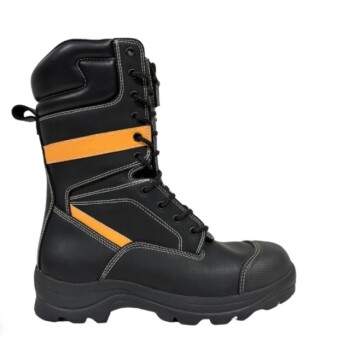
Beyond just keeping your feet dry, making work boots from waterproof material is a critical decision centered on health, long-term comfort, and the structural integrity of the boot itself. In damp or unpredictable environments, waterproofing prevents moisture from seeping in, which is the first line of defense against a range of issues from simple discomfort to serious medical conditions.
The core reason for waterproof work boots is that they function as a complete system to protect the wearer. This protection extends beyond fending off external water to preventing the internal boot environment from becoming a breeding ground for bacteria, fungi, and conditions that degrade both your foot health and the footwear.
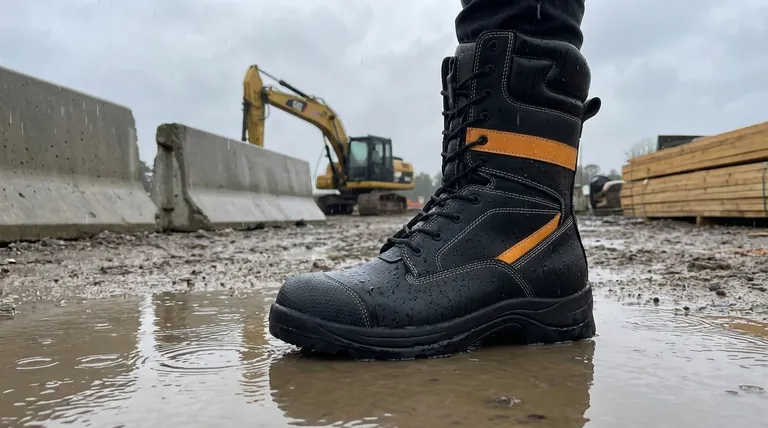
The Critical Role of a Dry Environment
A boot's ability to keep water out is fundamental to its performance as a piece of safety equipment. The consequences of moisture penetrating your footwear are more significant than temporary discomfort.
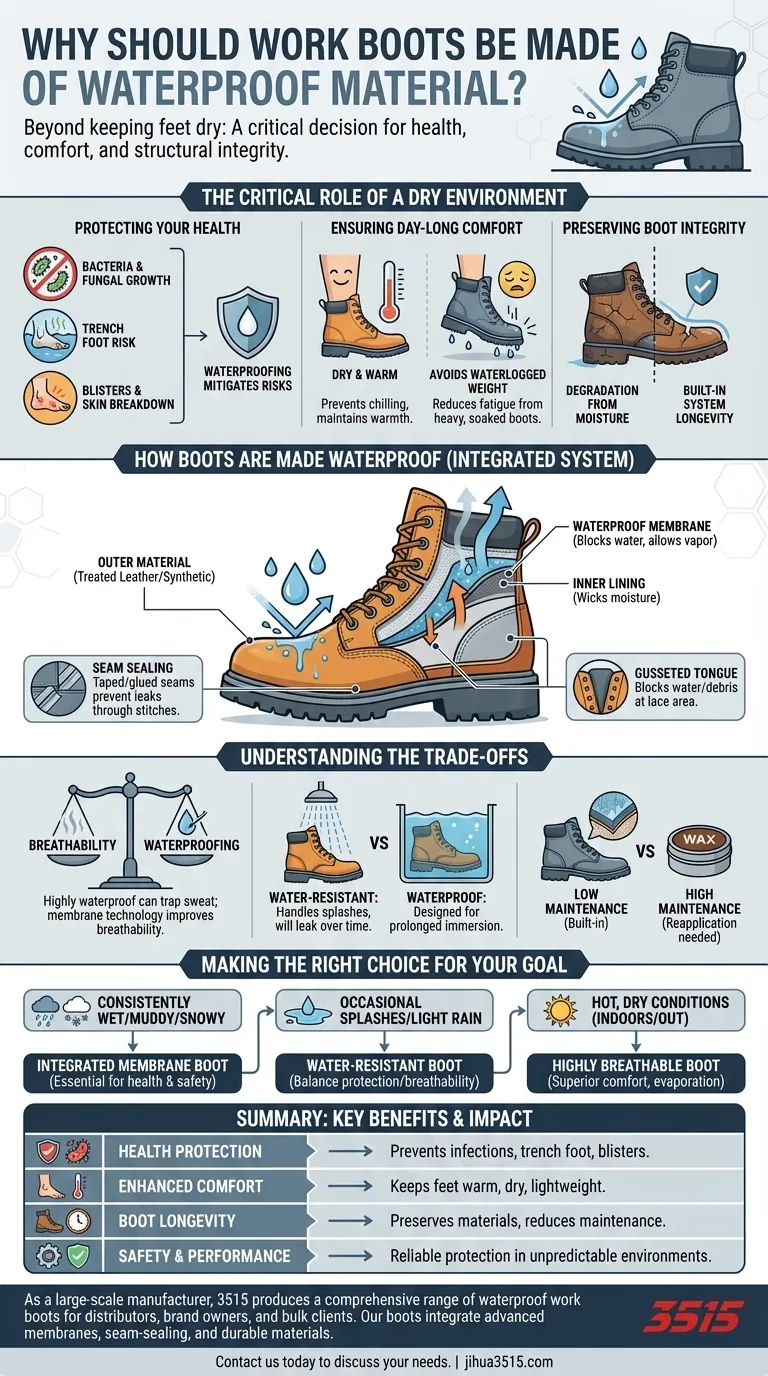
Protecting Your Health
When feet are exposed to damp, cold conditions for extended periods, the risks multiply. Waterproofing directly mitigates these health concerns.
Moisture creates an ideal environment for bacterial and fungal growth, leading to unpleasant odors and infections like athlete's foot. More seriously, prolonged exposure can cause trench foot, a condition where tissue damage occurs due to cold, wet feet.
Wet socks and skin also dramatically increase friction inside the boot, which is a primary cause of painful blisters and skin breakdown.
Ensuring Day-Long Comfort
Dry feet are comfortable feet. Waterproof boots prevent the chilling effect of water seeping in, helping to keep your feet warm in cold weather.
They also prevent the boot from becoming waterlogged. A soaked boot is significantly heavier, leading to fatigue and making every step more laborious throughout the workday.
Preserving the Boot's Integrity
Water is a powerful solvent that can degrade boot materials over time, especially leather. Keeping the boot's internal structure dry is vital for its longevity.
A built-in waterproof system, such as a membrane, eliminates the need for frequent reapplication of topical sprays or waxes, ensuring reliable protection from day one.
How Boots Are Made Waterproof
Achieving true waterproofing is about more than just a single material. It's an integrated system of materials, construction techniques, and design features working in concert.
Key Materials and Construction
The most effective waterproof boots often use a waterproof membrane—a specialized layer built between the outer material and the inner lining that blocks water molecules from entering but allows sweat vapor to escape.
Uppers are typically made from treated leather or advanced synthetics that inherently repel water. The outsole, usually made of rubber or a synthetic compound, provides an impermeable base.
Critical Design Features
Even the best materials will fail if the construction is flawed. Seam sealing is a process that tapes or glues the boot's seams to prevent water from leaking through stitch holes.
A gusseted tongue, which connects the tongue to the uppers along the sides, is essential for blocking water and debris from entering through the lace area.
Understanding the Trade-offs
While waterproofing is a crucial feature for many jobs, it's important to understand its implications to choose the right boot for your specific environment.
Breathability is the Counterbalance
The primary trade-off with a highly waterproof boot is often breathability. A boot that completely seals out water can also trap sweat, leading to internal dampness. Modern waterproof membranes are designed to be breathable, but a non-waterproof boot will almost always offer better ventilation.
Not All Waterproofing is Equal
There is a significant difference between waterproof and water-resistant. Water-resistant boots can handle light splashes or brief exposure to moisture, but they will eventually leak. Truly waterproof boots are designed for prolonged immersion and constant exposure.
Maintenance and Lifespan
Boots with a built-in waterproof membrane require little maintenance for their waterproofing. However, boots that rely on topical treatments like waxes or sprays will need regular reapplication to remain effective, especially as the boot wears in.
Making the Right Choice for Your Goal
Selecting the right boot depends entirely on the conditions you face daily.
- If your primary focus is working in consistently wet, muddy, or snowy conditions: A boot with an integrated waterproof membrane and sealed seams is essential for your health and safety.
- If your primary focus is working in environments with occasional splashes or light rain: A water-resistant boot made from treated leather may provide a better balance of protection and breathability.
- If your primary focus is working in hot, dry conditions, indoors or out: A non-waterproof, highly breathable boot will offer superior comfort by allowing sweat to evaporate efficiently.
Ultimately, choosing a waterproof work boot is an investment in your personal well-being and your ability to perform your job safely and comfortably.
Summary Table:
| Key Benefit | Impact |
|---|---|
| Health Protection | Prevents bacterial/fungal growth, trench foot, and blisters. |
| Enhanced Comfort | Keeps feet warm, dry, and avoids waterlogged weight. |
| Boot Longevity | Preserves materials like leather and reduces maintenance needs. |
| Safety & Performance | Ensures reliable protection in wet or unpredictable environments. |
As a large-scale manufacturer, 3515 produces a comprehensive range of waterproof work boots for distributors, brand owners, and bulk clients. Our boots integrate advanced waterproof membranes, seam-sealed construction, and durable materials to ensure superior protection and comfort for workers in harsh conditions. Contact us today to discuss your specific needs and discover how our production capabilities can deliver the right footwear solution for your market.
Visual Guide
Related Products
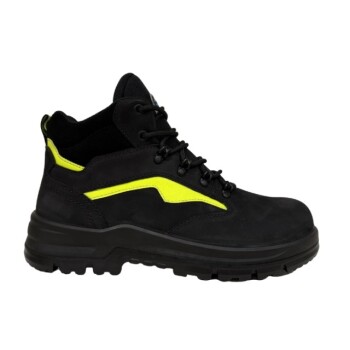
- Wholesale Premium Waterproof Nubuck Safety Shoes Boots
- Wholesale Heavy-Duty Waterproof Steel Toe Work Boots OEM Manufacturer
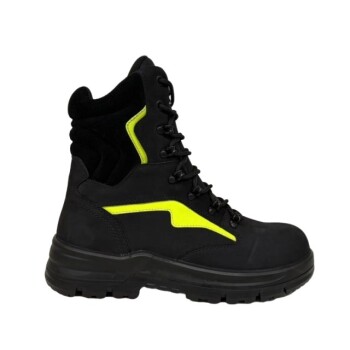
- Premium Waterproof Nubuck Safety Boots for Wholesale
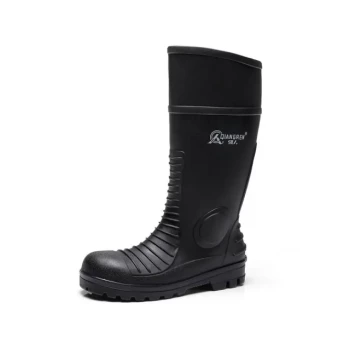
- Factory Direct Wholesale Rain Boots Durable Waterproof & Fully Customizable
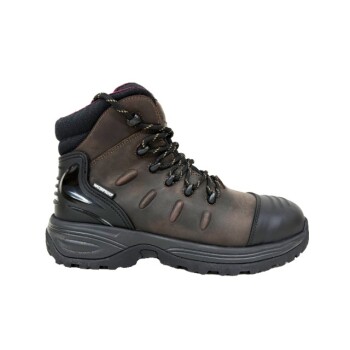
- Premium Wholesale Waterproof Safety Boots High Performance Protection for Industrial Markets
People Also Ask
- Why are waterproof safety boots recommended for certain work environments? Essential Protection for Wet & Hazardous Jobs
- What materials are commonly used in waterproof boots? The Complete Guide to Durable, Breathable Protection
- What are the drawbacks of waterproof boots? The Breathability vs. Protection Trade-Off
- What is the advantage of one-piece construction in waterproof boots? Unbeatable Seamless Protection
- What is the difference between waterproof, water-resistant, and water-repellent boots? Choose the Right Protection for Your Feet