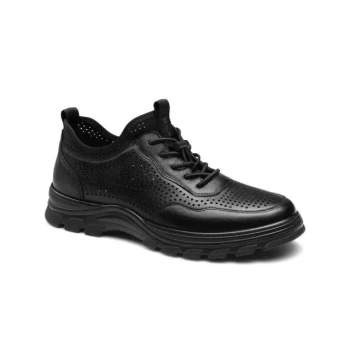
Material consistency is the absolute prerequisite for valid friction data. Before any dynamic testing occurs, a high-precision digital Shore hardness tester is required to verify the hardness consistency of the cured outsole, specifically in materials like polyurethane. This step is mandatory because material hardness dictates how the sole deforms under pressure, directly altering the contact area with the ground and, consequently, the friction results.
Core Takeaway Standardized hardness testing acts as a critical quality control gatekeeper, ensuring that any variation in slip resistance is attributed to the sole design rather than inconsistent material curing. By verifying the material's deformation behavior first, you eliminate variables that would otherwise render comparative data useless.
The Physics of Grip and Hardness
Controlling Deformation Behavior
The fundamental reason for using a Shore hardness tester is to quantify deformation behavior.
When a shoe strikes the ground, the outsole material must compress to create friction. A softer material deforms more, increasing the surface area in contact with the floor, while a harder material resists this deformation.
The Link to Contact Area
Hardness directly impacts the actual contact area between the footwear and the ground.
If you skip this verification, you cannot know if a shoe performed well because of its tread pattern or simply because the material was accidentally softer than specification. The hardness tester quantifies this variable before the slip test begins.
Ensuring Experimental Validity
Eliminating Material Variables
In scientific testing, you must isolate variables to draw accurate conclusions.
The primary reference highlights that standardized hardness testing eliminates interference from material variables. By confirming the material is within a specific tolerance range, you ensure that the subsequent slip test measures the grip of the design, not the variance of the chemical curing process.
Batch-to-Batch Comparability
Manufacturing processes, especially with cured polyurethane, can fluctuate.
High-precision testing ensures comparability between different test batches. Without this baseline data, it is impossible to determine if a new production batch offers the same safety performance as previous iterations.
Understanding the Trade-offs
The Risk of Low-Precision Testing
Using a standard analog tester or skipping "high-precision" digital tools can mask subtle defects.
Micro-variations in curing can lead to "soft spots" on an outsole. If the testing equipment lacks precision, these inconsistencies go unnoticed, leading to friction artifacts later in the process where data suggests a shoe is safe when the material is actually defective.
Static vs. Dynamic Limitations
While Shore hardness is essential, it is a static measurement.
It does not simulate the dynamic biomechanical process of a heel strike (which requires a Bio-mechanical Slip Tester). Therefore, hardness testing is a validation step for the material, but it cannot replace the dynamic testing of the system.
Making the Right Choice for Your Goal
To ensure your slip resistance evaluation is scientifically sound, apply the hardness data as follows:
- If your primary focus is Research & Development: Use hardness data to correlate how specific changes in material density affect the Available Coefficient of Friction (ACOF) across different tread designs.
- If your primary focus is Quality Control: Use the tester to establish a strict pass/fail hardness range for every batch of cured outsoles to ensure production consistency.
Validating material hardness is the only way to prove that your slip resistance data reflects true performance rather than manufacturing inconsistency.
Summary Table:
| Factor | Impact on Testing | Role of Shore Hardness Tester |
|---|---|---|
| Deformation | Dictates contact area between sole and ground | Quantifies compression behavior before friction tests |
| Material Consistency | Inconsistent curing creates misleading friction results | Validates that materials meet specified tolerance ranges |
| Data Validity | Variables in material mask tread design effectiveness | Isolates material hardness to focus on design performance |
| Batch Quality | Fluctuations in polyurethane curing affect safety | Ensures comparability between different production batches |
Elevate Your Footwear Standards with 3515 Expertise
At 3515, we understand that precision in material testing is the foundation of high-performance footwear. As a large-scale manufacturer serving global distributors and brand owners, we leverage rigorous quality control—from Shore hardness verification to biomechanical slip resistance—to ensure every product meets the highest safety benchmarks.
Our comprehensive production capabilities cover:
- Flagship Safety Shoes & Tactical Boots
- High-Performance Outdoor & Training Shoes
- Durable Sneakers and Dress & Formal Footwear
Partner with a manufacturer that prioritizes scientific accuracy and bulk reliability. Contact us today to discuss your production requirements and see how our footwear solutions can add value to your brand.
References
- Shubham Gupta, Arnab Chanda. A Novel Computational Model for Traction Performance Characterization of Footwear Outsoles with Horizontal Tread Channels. DOI: 10.3390/computation11020023
This article is also based on technical information from 3515 Knowledge Base .
Related Products
- Lightweight Breathable Sneakers with Wet-Traction Grip for Wholesale & Private Label
- Wholesale Durable Safety Boots Manufacturer Customizable Steel Toe Work Boots
- Wholesale Durable & Breathable Training Shoes for Custom Brands
- Lightweight Breathable Training Shoes for Wholesale & Custom OEM Manufacturing
- Wholesale Comfortable Business Casual Shoes Custom Manufacturing
People Also Ask
- Why are breathable sneakers necessary for tropical commuting? Stay Cool and Dry in High Humidity
- What role do lightweight training shoes play in urban traffic? Boost Agility and Reaction for Safer City Navigation
- How do lightweight shoes provide support? The Science of Efficient Cushioning & Stability
- How do lightweight shoes contribute to healthier feet? Reduce Fatigue & Prevent Foot Problems
- What are the style advantages of lightweight shoes? Sleek, Versatile & Modern Comfort