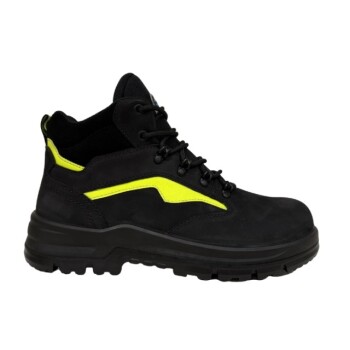
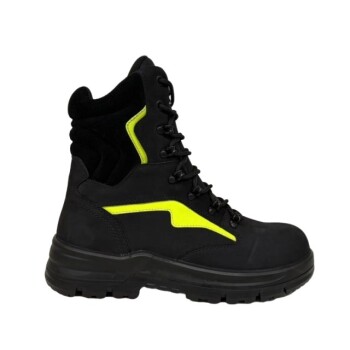
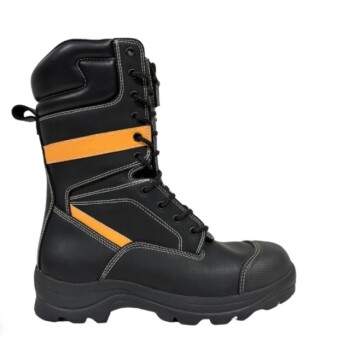
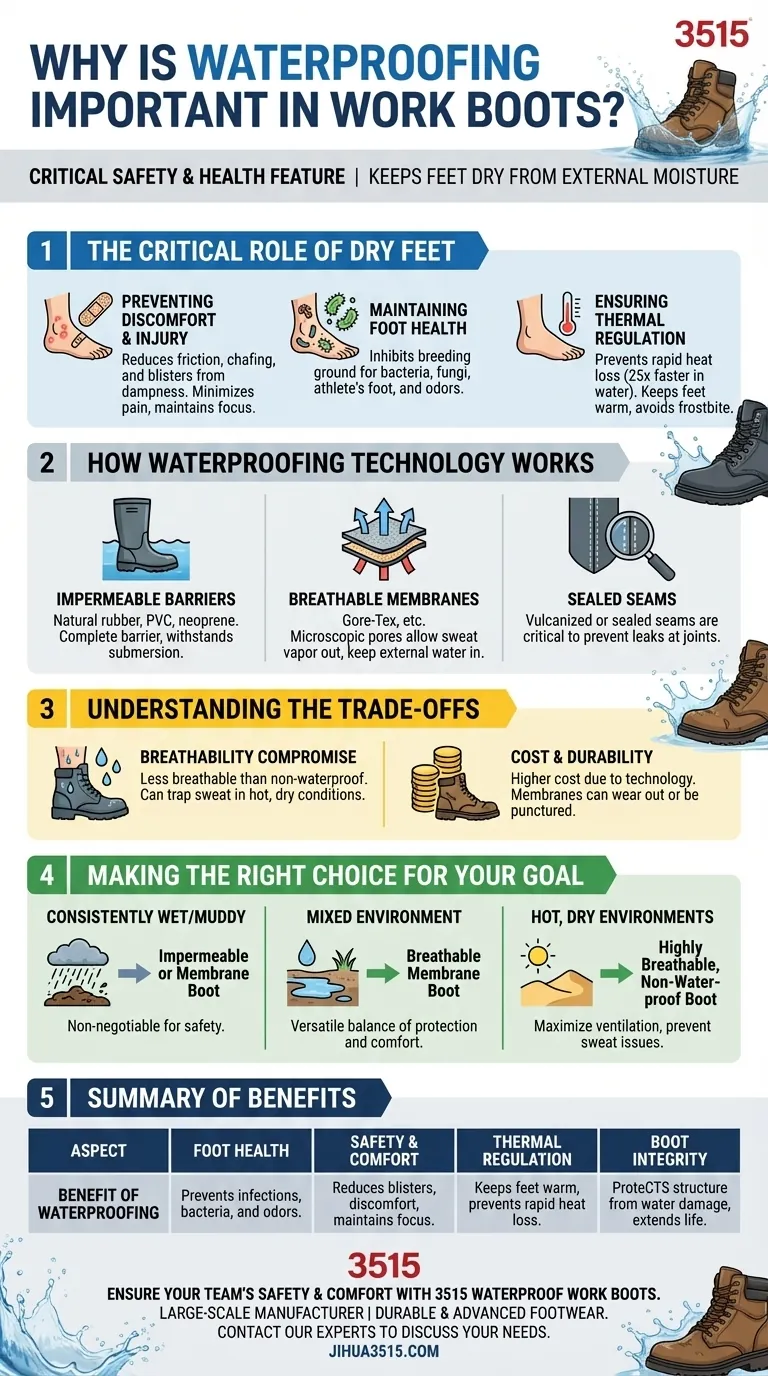
At its core, waterproofing in work boots is a critical safety and health feature. It serves one primary purpose: to keep your feet completely dry from external moisture like rain, snow, or puddles. This prevents a cascade of problems ranging from simple discomfort and blisters to more serious fungal infections and the rapid loss of body heat.
The decision to choose a waterproof boot is not about luxury; it's a strategic assessment of your work environment. True waterproofing provides an essential barrier that protects your foot health, ensures comfort through long shifts, and preserves the structural integrity of your boots.
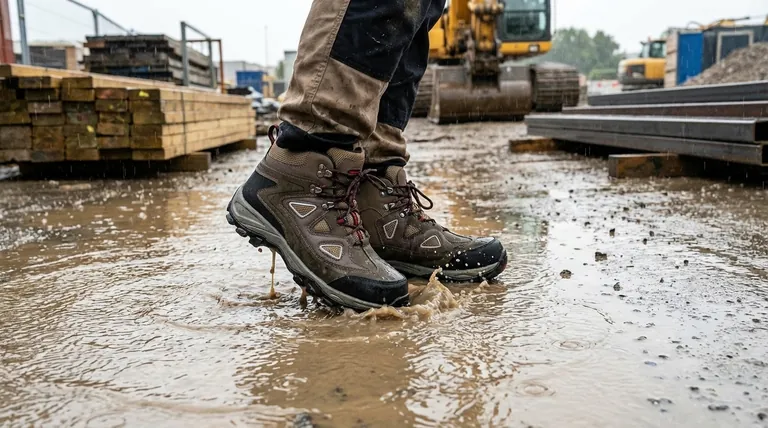
The Critical Role of Dry Feet in a Work Environment
The importance of keeping feet dry extends far beyond simple comfort. In a professional setting, wet feet can directly impact safety, health, and productivity.
Preventing Discomfort and Injury
Moisture is the primary cause of friction-related foot injuries. When your socks and skin become damp, they soften, making them highly susceptible to chafing and blisters as your foot moves inside the boot.
These seemingly minor issues can be debilitating during a long workday, causing pain that can lead to a loss of focus and an increased risk of accidents.
Maintaining Foot Health
A warm, damp environment is the ideal breeding ground for bacteria and fungi. Prolonged moisture inside a boot significantly increases the risk of developing unpleasant odors, athlete's foot, and other infections.
Waterproofing provides a crucial first line of defense, creating a dry internal environment that is inhospitable to these microorganisms.
Ensuring Thermal Regulation
Water conducts heat away from the body roughly 25 times faster than air. This means wet feet quickly become cold feet, especially in winter or cool climates.
By blocking moisture penetration, waterproof boots are essential for keeping your feet warm. This isn't just about comfort; it helps prevent cold-related health risks like frostbite in extreme conditions.
How Waterproofing Technology Works
Not all "waterproof" claims are equal. The effectiveness of a boot depends on its materials and construction method.
Impermeable Barriers
Materials like natural rubber, PVC, and neoprene offer a complete, non-porous barrier against water. Think of traditional Wellington or PVC boots.
These are excellent for jobs involving standing water or heavy mud, as they can withstand total submersion without leaking.
Breathable Membranes
More advanced work boots use a built-in waterproof membrane, such as Gore-Tex or other proprietary technologies. This is a layer laminated inside the boot's upper.
These membranes contain microscopic pores that are too small for liquid water droplets to pass through, but large enough for water vapor (sweat) to escape. This technology aims to keep external water out while allowing internal moisture to be wicked away.
The Importance of Sealed Seams
A boot's material can be perfectly waterproof, but it will still leak if the seams are not properly sealed.
High-quality waterproof boots feature sealed or vulcanized seams where the different parts of the boot are stitched or bonded together. This construction detail is critical for creating a truly impenetrable barrier.
Understanding the Trade-offs
While essential for many, waterproofing isn't always the best choice for every situation. Objectively considering the downsides is key to making the right decision.
The Breathability Compromise
Even the most advanced "breathable" waterproof membranes are less breathable than a standard, non-waterproof boot.
In hot and dry conditions, a waterproof boot can trap sweat, leading to the very dampness it is designed to prevent. This can cause the same issues of discomfort and blisters.
Cost and Durability
The technology and construction required for effective waterproofing add to the cost of the boot.
Furthermore, while built-in membranes are durable, they can be punctured or wear out over time, compromising the boot's waterproof integrity. Boots relying on topical sprays require frequent reapplication to remain effective.
Making the Right Choice for Your Goal
Selecting the appropriate boot is about matching the technology to your specific work environment and needs.
- If your primary focus is working in consistently wet, muddy, or snowy conditions: A boot with a built-in waterproof membrane or an impermeable rubber/PVC construction is non-negotiable for your health and safety.
- If your primary focus is working in a mixed environment with only occasional exposure to water: A boot featuring a breathable waterproof membrane offers the most versatile balance of protection and all-day comfort.
- If your primary focus is working in hot, dry environments with no exposure to water: Prioritize a highly breathable, non-waterproof boot to maximize ventilation and prevent sweat-related foot issues.
Ultimately, choosing the right footwear is a fundamental part of your professional toolkit, directly impacting your comfort, health, and performance on the job.
Summary Table:
| Aspect | Benefit of Waterproofing |
|---|---|
| Foot Health | Prevents fungal infections, bacteria, and odors by keeping feet dry. |
| Safety & Comfort | Reduces friction, blisters, and discomfort, helping maintain focus. |
| Thermal Regulation | Keeps feet warm by preventing rapid heat loss (25x faster in water). |
| Boot Integrity | Protects the boot's structure from water damage, extending its life. |
Ensure your team's safety and comfort with the right waterproof work boots.
As a large-scale manufacturer, 3515 produces a comprehensive range of durable and technologically advanced waterproof footwear for distributors, brand owners, and bulk clients. Our production capabilities encompass all types of safety boots and shoes designed to meet the demands of any wet or challenging work environment.
Let us help you equip your workforce with reliable protection. Contact our experts today to discuss your specific needs and explore our product lines.
Visual Guide
Related Products
- Wholesale Premium Waterproof Nubuck Safety Shoes Boots
- Wholesale Heavy-Duty Waterproof Steel Toe Work Boots OEM Manufacturer
- Premium Waterproof Nubuck Safety Boots for Wholesale
- Factory Direct Wholesale Rain Boots Durable Waterproof & Fully Customizable
- Premium Wholesale Waterproof Safety Boots High Performance Protection for Industrial Markets
People Also Ask
- Why are waterproof safety boots recommended for certain work environments? Essential Protection for Wet & Hazardous Jobs
- What materials are commonly used in waterproof boots? The Complete Guide to Durable, Breathable Protection
- What are the drawbacks of waterproof boots? The Breathability vs. Protection Trade-Off
- What is the advantage of one-piece construction in waterproof boots? Unbeatable Seamless Protection
- What is the difference between waterproof, water-resistant, and water-repellent boots? Choose the Right Protection for Your Feet