The ergonomic and comfort design of Personal Protective Equipment (PPE) is the single most critical variable in ensuring consistent, long-term usage. When equipment such as respirators or safety footwear causes physical discomfort, restricted movement, or heat stress, the user's natural biological response is to remove or adjust the gear for relief, often compromising safety. Ergonomic design bridges the gap between theoretical protection and actual human behavior.
Core Takeaway Comfort in PPE is not a luxury; it is a fundamental safety control mechanism. Poorly designed equipment creates physical and psychological burdens that inevitably lead to resistance, improper removal, and increased accident rates. Compliance is only sustainable when the protective gear supports, rather than hinders, the user’s body.
The Physical Mechanics of Compliance
Reducing Physiological Stress
Medical practitioners and industrial workers often operate under high physical stress. The primary reference highlights that design elements like breathability and weight distribution are essential to managing this load.
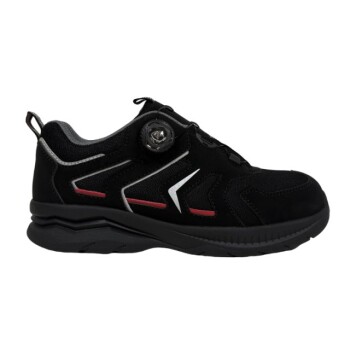
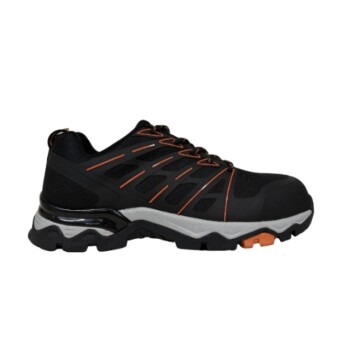
If PPE traps heat or creates pressure points, it accelerates physical fatigue. In the context of heavy labor, supplementary data shows that ergonomic safety shoes with proper arch support and shock absorption significantly alleviate fatigue caused by prolonged standing.
Preventing "relief-seeking" Behaviors
The most dangerous outcome of uncomfortable PPE is the user's impulse to remove it prematurely.
When equipment restricts movement or becomes physically unbearable, practitioners may remove it improperly to regain mobility or comfort. This exposes them to hazards exactly when they need protection most, negating the purpose of the equipment entirely.
Mitigating Long-Term Injuries
Beyond immediate accidents, poor ergonomics causes cumulative damage.
Non-ergonomic gear contributes to Work-related Musculoskeletal Disorders (WMSDs). By optimizing sole structures and shock absorption in footwear, organizations can reduce the physical toll on the body, thereby lowering absenteeism rates related to chronic pain.
The Psychological Dimension of Safety
Eliminating the "Inconvenience Barrier"
Compliance is largely a mental calculation. Research indicates that if workers perceive PPE as inconvenient or uncomfortable, they develop a psychological resistance to wearing it.
This resistance often manifests as "forgetting" gear or active safety violations. By utilizing lightweight materials and ergonomic fits, organizations eliminate this psychological burden, making compliance the path of least resistance.
Enhancing Focus and Performance
Discomfort is a distraction. When a worker is focused on foot pain or a suffocating mask, their situational awareness drops.
Optimizing design allows the user to focus entirely on the task at hand, whether it is complex clinical care or navigating difficult terrain. This directly enhances overall work performance and safety culture.
Common Pitfalls and Trade-offs
The Cost vs. Value Misconception
A common error is viewing ergonomic PPE as an unnecessary expense due to its higher upfront cost.
While standard, generic gear is cheaper to purchase, it often leads to higher long-term costs through absenteeism and lower productivity. The trade-off requires looking beyond the unit price to the total cost of workforce health.
Over-Protection vs. Usability
There is often a trade-off between maximum theoretical protection and practical usability.
Extremely heavy-duty protection that renders a worker immobile is self-defeating. You must balance high-strength protection with the flexibility and lightness required for the user to actually perform their job effectively.
Making the Right Choice for Your Goal
To secure long-term compliance, you must align your equipment selection with the specific physical demands of the role.
- If your primary focus is immediate clinical safety: Prioritize breathability and range of motion to prevent practitioners from removing gear during high-stress procedures.
- If your primary focus is reducing chronic absenteeism: Invest in footwear with advanced arch support and shock absorption to minimize the risk of Musculoskeletal Disorders.
- If your primary focus is behavioral compliance: Select lightweight, low-profile gear to reduce the psychological perception of the equipment as a hindrance.
True safety is achieved only when the protective equipment feels like a natural extension of the professional, rather than an obstacle to their work.
Summary Table:
| Key Factor | Impact on Compliance | Long-Term Benefit |
|---|---|---|
| Physiological Stress | Reduces heat and fatigue | Lower absenteeism & higher productivity |
| Movement Range | Prevents 'relief-seeking' removal | Continuous protection during tasks |
| Ergonomic Support | Mitigates musculoskeletal disorders | Reduced chronic injury claims |
| Psychological Load | Removes the 'inconvenience barrier' | Higher voluntary usage rates |
| Focus/Performance | Minimizes physical distractions | Improved situational awareness |
Maximize Your Workforce Safety with 3515
Don't let poor design compromise your team's safety. As a large-scale manufacturer serving distributors and brand owners, 3515 offers comprehensive production capabilities for all footwear types. Our flagship Safety Shoes series is engineered with advanced ergonomics to ensure long-term comfort and compliance in the toughest environments.
Whether you need tactical boots, outdoor shoes, or bulk orders of dress and formal shoes, our expert manufacturing process bridges the gap between protection and performance. Contact us today to discuss how our footwear solutions can add value to your brand and protect your end-users.
References
- Doris A. Dotimi, Kerochi Atei. Individual factors affecting compliance with standard infection prevention precautions on the use of personal protective equipment among community health practitioners in Bayelsa State, Nigeria. DOI: 10.18203/2394-6040.ijcmph20223532
This article is also based on technical information from 3515 Knowledge Base .
Related Products
- Wholesale Safety Boots Manufacturer for Custom & Private Label Orders
- Heavy-Duty Waterproof Nubuck Safety Boots Safety Shoes for Bulk Supply
- Premium Lightweight Safety Shoes for Wholesale & Bulk Orders
- Premium KPU Athletic Safety Shoes for Wholesale
- Premium Suede Sport Safety Shoes for Wholesale & Bulk Orders
People Also Ask
- Why is proper storage important for safety boots? Preserve Protection and Extend Lifespan
- How should safety boots be cleaned to avoid damage? A Gentle Guide to Preserve Your Boots
- What are the risks of using ordinary rubber boots in forest clearing? Why professional safety boots are essential
- What are the key features of safety boots? Essential Protection for Hazardous Workplaces
- What are the consequences of not wearing safety boots? Protect Your Finances and Career