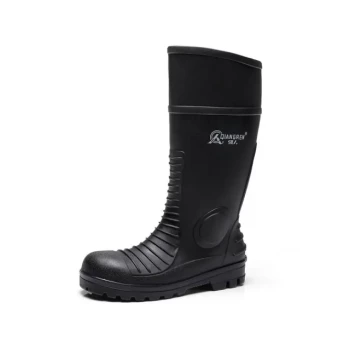
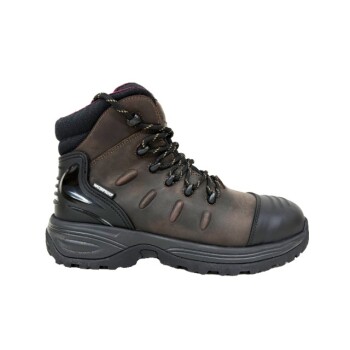
The adoption of lightweight materials is the fundamental solution to the historical conflict between safety and mobility. Traditional heavy-duty protective equipment often compromises a worker's physical capacity by adding excessive weight, which restricts limb movement and accelerates exhaustion. By integrating high-strength, lightweight composites, organizations can reduce this physical burden while strictly maintaining—or even exceeding—established protection standards.
The core efficiency gain lies in energy conservation. Lightweight materials decouple high protection from high weight, allowing users to sustain high-intensity output without the rapid fatigue caused by traditional, heavier gear.
The Physiology of Efficiency
Reducing Physical Restriction
Traditional individual protective equipment (IPE) is notorious for limiting range of motion. The sheer bulk and mass of older materials physically impede the natural movement of limbs. By shifting to lightweight composites, the gear exerts less resistance against the wearer's body, restoring natural agility and freedom of movement.
Mitigating Rapid Fatigue
Weight is the primary enemy of endurance. Carrying heavy protective gear forces the body to expend energy simply to support the equipment, rather than applying that energy to the task at hand. Reducing this load directly lowers the metabolic cost of movement, preventing the onset of rapid fatigue.
Enabling Sustained Intensity
The ultimate goal of heavy-duty IPE is not just survival, but operational effectiveness. When energy is conserved through weight reduction, it remains available for work output. This allows the wearer to maintain high-intensity activity for longer durations, significantly boosting overall operational efficiency.
The Critical Trade-off: Weight vs. Protection
The Strength Requirement
It is critical to understand that weight reduction cannot come at the expense of safety. The "trade-off" here is that lighter materials must possess superior strength-to-weight ratios compared to traditional materials. Simply making gear thinner to save weight is a failure; the material must be a high-strength composite.
Maintaining Protection Levels
The benchmark for any lightweight material is its ability to maintain or exceed existing protection levels. If a material reduces weight but fails to stop the same threats as its heavier predecessor, it fails its primary function. Efficiency is only achieved when high protection and low weight coexist.
Making the Right Choice for Your Goals
To maximize efficiency in heavy-duty environments, you must evaluate equipment based on the balance between protective capability and metabolic cost.
- If your primary focus is endurance: Prioritize gear utilizing advanced composites to minimize the energy tax on the wearer over long shifts.
- If your primary focus is mobility: Select equipment designed with high-strength lightweight materials that specifically reduce bulk around the joints and limbs.
True efficiency in protective equipment is achieved only when the user is safe enough to work and mobile enough to perform.
Summary Table:
| Key Factor | Impact of Traditional Materials | Benefit of Lightweight Composites |
|---|---|---|
| Physical Range | Restricts limb movement and agility | Restores natural motion and flexibility |
| Energy Cost | High metabolic drain from equipment mass | Lower energy expenditure; prevents fatigue |
| Operational Time | Shortened due to rapid exhaustion | Sustained high-intensity output for longer |
| Safety Standard | Standard protection at high weight | Maintains or exceeds standards at lower weight |
Partner with 3515 for High-Performance Protective Footwear
As a large-scale manufacturer serving global distributors and brand owners, 3515 specializes in balancing high-strength protection with ergonomic efficiency. We offer comprehensive production capabilities for all footwear types, anchored by our flagship Safety Shoes series. Our extensive portfolio covers work and tactical boots, outdoor shoes, training shoes, and sneakers, as well as Dress & Formal shoes designed to meet your diverse bulk requirements.
Ready to enhance your product line with gear that offers superior strength-to-weight ratios? Contact us today to discuss your wholesale or manufacturing needs!
References
- Rahul Kumar, Vinod K. Tiwari. Individual Protection Gear Productivity in Dangerous Workplaces. DOI: 10.29070/56zpqv12
This article is also based on technical information from 3515 Knowledge Base .
Related Products
- Wholesale Heavy-Duty Waterproof Steel Toe Work Boots OEM Manufacturer
- High-Traction Suede Tactical Boots Wholesale & Custom Manufacturing
- Wholesale Tactical Boots High-Traction & Reflective for Bulk & Brand Orders
- Premium Grain Leather Safety Boots for Bulk Supply
- Wholesale Leather Safety Boots with Customizable Protective Toe
People Also Ask
- What are the pros and cons of steel toe work boots? A Guide to Maximum Protection vs. Comfort
- What are the different types of steel toe work boots? Choose the Right Boot for Your Job
- What is the history of steel toe work boots? From German Invention to Modern Safety Standard
- How much weight can steel toe work boots withstand? Unpacking the 3,372 lb. Safety Standard
- What are some common myths about steel toe work boots? Debunked for Modern Workers