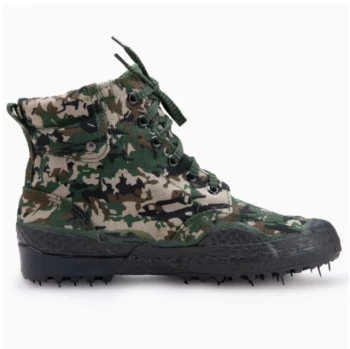
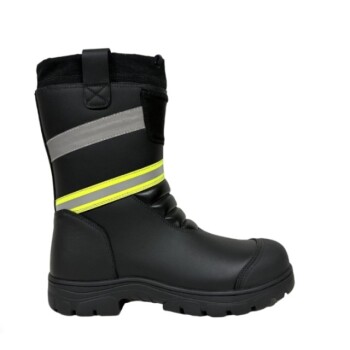
Choosing the right hunting boots is a foundational decision that directly impacts your comfort, safety, and effectiveness in the field. A well-chosen boot acts as a critical piece of equipment that reduces fatigue, prevents injury, and enhances your mobility, while the wrong pair can cut your hunt short and ruin the entire experience.
Your hunting boots are not just footwear; they are a performance tool. The "perfect" boot is a specific match for your unique combination of hunting style, typical terrain, and expected weather conditions.
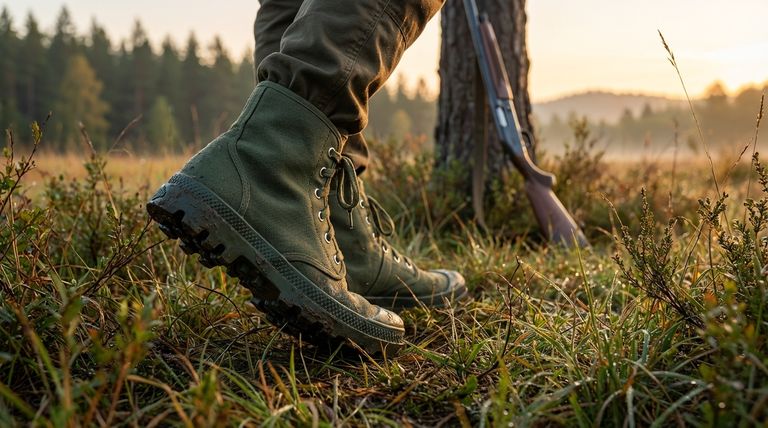
The Foundation: Why Your Boots Matter
Hunters often focus on their weapon or camouflage, but the connection between your feet and the ground is the single most important interface you have with your environment.
Beyond Blisters and Discomfort
Poorly fitting or inappropriate boots are the primary cause of foot-related issues that can end a hunt, from simple blisters to painful arch strain. A supportive boot reduces muscle fatigue in your feet, legs, and back, allowing you to stay focused and hunt longer.
Mobility and Stealth
The construction of your boot directly affects your ability to move effectively. A heavy, clunky boot can make stalking game nearly impossible, while a boot that's too flexible offers no support when carrying a heavy pack or navigating a steep incline.
Protection from the Elements
Your feet are highly susceptible to cold and moisture. Properly insulated and waterproofed boots are a matter of safety, preventing heat loss and conditions like frostbite. Staying warm and dry is essential for maintaining focus and endurance.
Deconstructing the "Perfect" Boot: The Core Factors
To make an informed decision, you must analyze a boot based on three primary factors that dictate its performance.
1. Boot Material
The material determines a boot's durability, weight, and protective qualities.
- Leather: Offers excellent durability, support, and abrasion resistance. It molds to your foot over time but requires a break-in period and regular maintenance.
- Rubber: Provides superior waterproofing and scent control, making it ideal for wet, marshy environments or stand hunting. However, it offers less breathability and support.
- Synthetics: Materials like nylon and Gore-Tex offer a lightweight, breathable, and often waterproof alternative that requires little to no break-in. Their durability can be lower than full-grain leather.
2. Stiffness and Support
The rigidity of the sole and ankle support must match the terrain.
- Flexible Boots: Are best for flat, even ground like farmland or light trails. They are quiet and comfortable for long walks but offer little support on uneven surfaces.
- Stiff Boots: Are designed for mountainous terrain. The rigidity provides a stable platform for side-hilling and climbing while protecting your feet and ankles from rocks and torsion, especially when carrying weight.
3. Weight and Insulation
These two factors are directly tied to the environment and your activity level.
- Boot Weight: Every ounce on your feet feels like pounds on your back by the end of the day. Lighter boots reduce fatigue, but this often comes at the cost of durability or support.
- Insulation: Measured in grams (e.g., 200g, 800g, 1200g), insulation is critical for cold weather. However, the right amount depends on whether you'll be stationary (requiring more) or actively moving (requiring less to prevent sweat).
Understanding the Trade-offs
There is no single "best" hunting boot, only the best boot for a specific application. Understanding the compromises is key.
The Versatility Trap
A multi-purpose boot is an excellent choice for a hunter who engages in varied activities. However, it will never perform as well as a specialized boot at the extremes. It won't be as warm as a dedicated pac boot or as supportive as a true mountain boot.
Insulation vs. Breathability
More insulation is not always better. If your boots are too warm for your activity level, your feet will sweat. That moisture gets trapped, eliminates the insulating properties of your socks, and can lead to dangerously cold feet and blisters.
Durability vs. Weight
The most durable boots are often made of thick leather and heavy-duty rubber rands, which adds significant weight. Ultralight synthetic boots are fantastic for covering miles but may not stand up to years of abuse in sharp, rocky environments.
Making the Right Choice for Your Hunt
Use your primary hunting style as the guide to weigh the factors and find the right balance for your needs.
- If your primary focus is upland or early-season hunting on moderate terrain: Prioritize a lightweight, flexible, and breathable boot with minimal insulation for all-day walking comfort.
- If your primary focus is big game in rugged, mountainous country: Select a stiffer, more supportive boot with aggressive traction and ankle support to handle steep grades and heavy packs.
- If your primary focus is stationary hunting in cold, wet conditions: Choose a rubber or pac boot with a high level of insulation (800g or more) and guaranteed waterproofing.
- If your primary focus is a single boot for a variety of seasons and terrains: A multi-purpose leather or synthetic boot with moderate insulation (400g-600g) offers the best all-around compromise.
Investing the time to select the right boots is a direct investment in your safety, endurance, and ultimate success.
Summary Table:
| Factor | Key Considerations |
|---|---|
| Material | Leather (durability), Rubber (waterproof), Synthetics (lightweight) |
| Stiffness & Support | Flexible (flat terrain), Stiff (mountainous terrain) |
| Weight & Insulation | Lightweight (endurance), Insulation (cold weather activity level) |
| Hunting Style | Upland (lightweight), Big Game (supportive), Stationary (insulated) |
Ready to equip your customers with the perfect hunting boots?
As a large-scale manufacturer, 3515 produces a comprehensive range of high-performance footwear for distributors, brand owners, and bulk clients. Our production capabilities encompass all types of hunting boots, from lightweight upland models to durable, insulated mountain boots, ensuring you get the right product for your market.
Let us help you deliver the comfort, safety, and success your customers demand. Contact our team today to discuss your manufacturing needs.
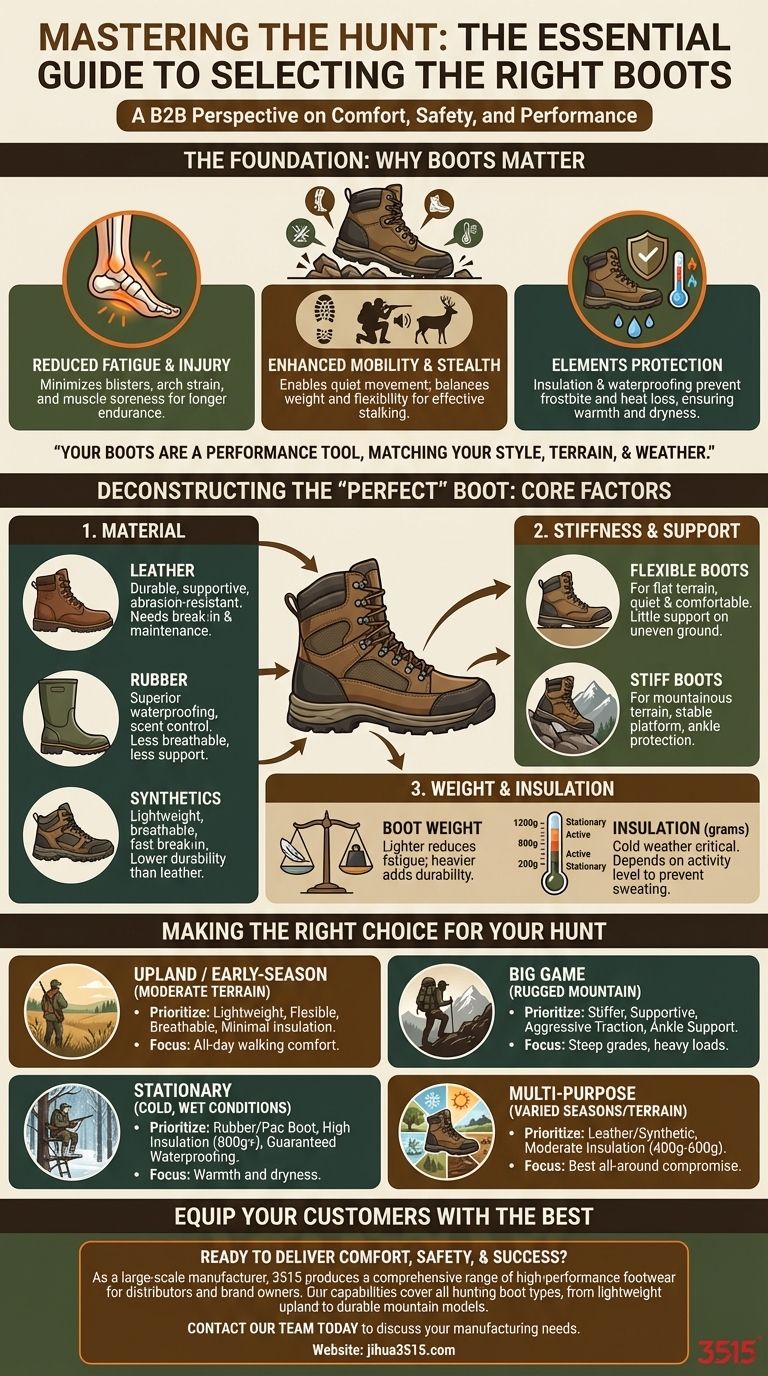
Visual Guide
Related Products
- Wholesale Lightweight Tactical Boots Custom Manufacturer for Desert & Combat Use
- Durable Leather Tactical Boots Wholesale & Custom Manufacturing for Brands
- High-Traction Suede Tactical Boots Wholesale & Custom Manufacturing
- Durable Military Combat Boots with Water Drainage for Wholesale & OEM
- Wholesale Waterproof Tactical Boots Custom Suede & High-Traction Soles
People Also Ask
- What are the common types of combat boots? Find the Right Boot for Your Mission
- What specialized protections do tactical boots offer? Maximize Endurance with High-Performance Footwear
- What are the different types of tactical boots available? Find the Right Boot for Your Mission
- What are the main construction similarities between tactical boots and tactical sneakers? Built for Performance & Durability
- How does additive manufacturing equipment reduce environmental risks? Sustainable Tactics for Modern Footwear Production