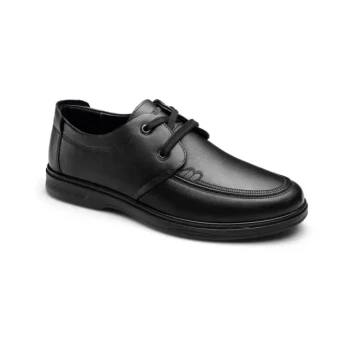
Precision in shoe sizing is not merely a matter of comfort; it is a functional prerequisite for effective robotic therapy. For rehabilitation equipment to operate correctly, the user's foot must be rigidly coupled to the machine's pedals and calf braces. Without this precise mechanical fit, the system fails to transmit power efficiently, compromising both the safety of the patient and the accuracy of the therapy.
Accurate shoe sizing ensures the mechanical integrity of the rehabilitation process. By eliminating slippage, it guarantees efficient power transfer from the actuators, protects the ankle joints from injury, and ensures sensors capture valid data for clinical analysis.
The Mechanics of Power Transmission
Establishing a Rigid Coupling
Robotic gait rehabilitation relies on the transfer of mechanical energy from the machine to the human limb. Precise shoe sizing creates a stable interface between the patient’s foot and the equipment's pedals.
If the sizing is loose, the foot acts as a disconnected component. This results in "play" or lost motion, preventing the machine from effectively moving the limb through the desired trajectory.
Optimizing Actuator Efficiency
The equipment uses actuators to deliver power compensation during the gait cycle. Accurate sizing ensures this power is delivered directly to the skeletal structure rather than being dissipated by the movement of the foot inside the shoe.
When the fit is exact, the machine's force translates immediately into therapeutic motion. This allows for precise control over the assistance provided to the patient.
Patient Safety and Stability
Preventing Dangerous Slippage
A loose or improperly sized shoe leads to slippage within the mechanism. Slippage is a primary cause of misalignment during power compensation, which can introduce erratic forces to the leg.
Maintaining a fixed position ensures the rehabilitation movements remain predictable and controlled. This stability is critical for patients with limited motor control.
Protecting the Ankle Joints
The ankle is particularly vulnerable during robotic manipulation. Proper sizing is vital for the protection of ankle joints, ensuring they are supported and aligned correctly throughout the movement.
If the foot shifts, the center of rotation may become misaligned. This can place harmful torque or shear forces on the ankle rather than therapeutic, guiding forces.
The Impact on Data Integrity
Ensuring Sensor Accuracy
Robotic systems utilize sensitive sensors to monitor patient performance and progress. High-quality sensor data depends entirely on the foot moving in unison with the sensor array.
If the foot moves independently of the shoe or pedal due to poor sizing, the sensors will record mechanical noise rather than biological gait data. This leads to inaccurate assessments of the patient's recovery status.
Common Pitfalls to Avoid
The "One Size Fits All" Mistake
It is often tempting to use a rough approximation of shoe size to save setup time. Approximate sizing creates mechanical inefficiency. Even a small amount of internal sliding compromises the actuator's ability to assist the gait cycle effectively.
Overlooking the Calf Brace Connection
Sizing is not limited to the foot length; it includes the integration with the calf brace. A mismatch here destabilizes the entire lower leg. To prevent slippage, the shoe must work as part of a cohesive unit with the calf mechanism.
Making the Right Choice for Your Goal
To maximize the effectiveness of robotic gait training, prioritize sizing based on your specific clinical objectives.
- If your primary focus is Patient Safety: Ensure the fit is snug enough to prevent any internal foot movement, effectively locking the ankle alignment to the machine's trajectory.
- If your primary focus is Therapy Efficiency: Verify that the shoe creates a rigid coupling with the pedal to ensure 100% of the actuator's power is transferred to the limb.
- If your primary focus is Data Analysis: Eliminate all mechanical "play" in the system to guarantee that sensor readings reflect actual limb movement, not shoe slippage.
Precise sizing is the critical link that transforms a robotic mechanism into a safe and effective rehabilitation tool.
Summary Table:
| Key Factor | Impact of Precise Sizing | Risk of Improper Sizing |
|---|---|---|
| Power Transfer | Rigid coupling ensures 100% actuator efficiency | Lost motion and dissipated energy |
| Patient Safety | Maintains ankle alignment and joint stability | Erratic forces and torque injuries |
| Data Integrity | Accurate sensor tracking of gait progress | Mechanical noise and false clinical data |
| Mechanical Fit | Seamless integration with calf braces | Slippage and system misalignment |
Partner with 3515 for High-Precision Footwear Solutions
As a large-scale manufacturer serving distributors and brand owners, 3515 offers comprehensive production capabilities for all footwear types, anchored by our flagship Safety Shoes series. We understand that in specialized fields like robotic rehabilitation, precision is non-negotiable.
Our extensive portfolio covers work and tactical boots, outdoor shoes, training shoes, and sneakers, as well as Dress & Formal shoes to meet diverse bulk requirements. Whether you are developing medical-grade footwear or expanding your safety equipment line, we provide the technical expertise and manufacturing scale to ensure every pair meets rigorous functional standards.
Ready to elevate your product performance?
Contact us today to discuss your manufacturing needs
References
- C. Cumplido‐Trasmonte, Elena García. STELO: A New Modular Robotic Gait Device for Acquired Brain Injury—Exploring Its Usability. DOI: 10.3390/s24010198
This article is also based on technical information from 3515 Knowledge Base .
Related Products
- Advanced KPU Athletic Safety Shoe with Steel Toe Cap Anti-Slip Rotary Lacing System
- Wholesale Durable Camouflage Canvas Shoes with High-Traction Cleated Rubber Sole
- Wholesale Modern Perforated Leather Derby Shoes with Chunky Sole for Custom Branding
- Wholesale Modern Business Shoes with Dial Closure System for Bulk Orders
- Wholesale Breathable Training Shoes Custom Athletic Footwear Manufacturer
People Also Ask
- What are the key differences between steel toe and composite toe caps? Choose the Right Safety for Your Job
- What impact do steel toe caps have on toe skin health? Prevent Friction and Pressure in Your Safety Shoes
- What are the primary protective functions of safety shoes with steel toes in the automotive repair industry?
- What type of safety shoe is recommended for workers exposed to heavy machinery? Steel Toe Boots for Ultimate Protection
- How does defining specific friction interface models in FEA assist in predicting safety shoe toe cap failure modes?