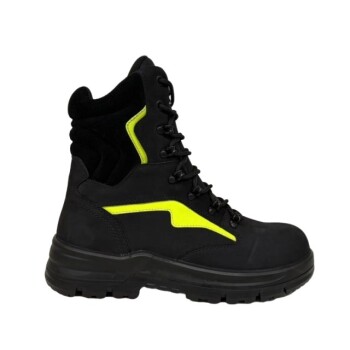
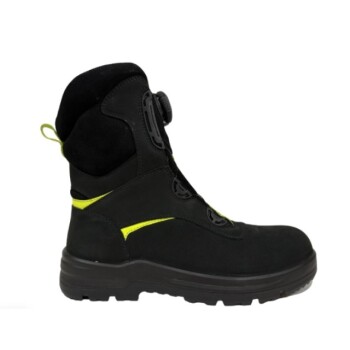
Neoprene is fundamentally unsuitable for the structural exterior of high-performance protective boots because it is engineered for heat retention rather than dissipation. Originally designed for the wetsuit industry, neoprene traps warmth to insulate the wearer, which leads to localized overheating, increased physiological strain, and potential tendon issues in active work environments. Furthermore, its inability to inhibit bacterial and fungal growth creates significant hygiene and odor challenges for long-term professional use.
The Central Takeaway: While neoprene excels in insulation and adhesive stability, its thermal properties and hygiene limitations make it a liability for high-performance footwear where breathability and moisture management are essential for safety and comfort.
The Physiological Impact of Thermal Management
Heat Retention and Tendon Strain
High-performance protective boots require efficient heat dissipation to maintain the wearer’s physiological equilibrium during intense activity. Neoprene’s molecular structure is designed to trap heat, which can lead to excessive warmth around the lower limbs, contributing to tendon fatigue and increased physical strain.
The Hygiene Barrier: Bacteria and Fungus
In professional and industrial settings, moisture management is critical for foot health and equipment longevity. Neoprene does not naturally inhibit the growth of bacteria or fungus, which thrive in the warm, damp environments created by the material's insulating properties.
Impact on Long-Term Wearability
For B2B distributors and brand owners, the hygiene issues associated with neoprene—specifically persistent odors and skin irritation—can lead to lower user satisfaction. High-performance boots must maintain a sterile, dry environment to meet the rigorous demands of daily professional use.
Strategic Material Selection in Large-Scale Manufacturing
Heritage and Precision Engineering Since 1951
Choosing the right material requires a manufacturer with a deep historical perspective and technical expertise. Since 1951, industry leaders have moved away from neoprene as a primary structural material, instead utilizing state-of-the-art synthetic composites that offer superior breathability and protection.
OEM/ODM Capabilities and Global Standards
Top-tier manufacturing facilities utilize advanced equipment to integrate materials that meet international safety certifications. For B2B resellers, partnering with a manufacturer that understands these material nuances ensures that high-volume deliveries remain consistent with global quality standards.
Robust Supply Chain Stability
A stable supply chain relies on using materials that are both effective and reliable at scale. By avoiding the pitfalls of unsuitable materials like neoprene in structural roles, manufacturers ensure that their premium protective boots provide consistent, long-term value for international markets.
Understanding the Trade-offs
The Role of Neoprene Adhesives
While neoprene is unsuitable as a structural fabric, neoprene-based adhesives are vital in safety shoe manufacturing. These adhesives offer exceptional chemical stability and resistance to oils, solvents, and acids, ensuring the bonding interface remains intact under extreme industrial conditions.
Limitations in High-Performance Structural Use
The primary trade-off involves insulation versus breathability; while neoprene is excellent for keeping feet warm in static, cold environments, it fails in high-performance scenarios where movement and heat regulation are paramount. Using it incorrectly can compromise the integrity of the boot and the safety of the user.
Strategic Use in Linings
In specific high-end applications, neoprene can be effectively used in the interior lining when blended with fabrics like spandex. In this controlled capacity, it provides necessary cushioning and oil resistance without compromising the structural ventilation of the boot's outer shell.
Making the Right Choice for Your Goal
How to Apply This to Your Project
Selecting the right materials is the difference between a product that merely looks professional and one that performs under pressure.
- If your primary focus is Maximum User Safety: Prioritize manufacturers who utilize advanced synthetic membranes that offer high breathability to prevent tendon strain and overheating.
- If your primary focus is Brand Reputation and Hygiene: Ensure your OEM partner avoids bulk neoprene in the upper construction to prevent bacterial growth and persistent odor issues.
- If your primary focus is Industrial Durability: Leverage the strength of neoprene-based adhesives for sole bonding while using high-performance technical fabrics for the boot body.
True manufacturing excellence is found in the precise balance of specialized materials to meet the rigorous demands of the modern workforce.
Summary Table:
| Feature | Neoprene (Structural) | High-Performance Synthetics |
|---|---|---|
| Thermal Control | Traps heat (Insulator) | Dissipates heat (Breathable) |
| Hygiene | Promotes bacterial growth | Antimicrobial & moisture-wicking |
| User Safety | Risk of tendon fatigue | Optimized physiological balance |
| Primary Role | Adhesives & specific linings | Structural shell & outer protection |
Partner with 3515 for Enterprise-Level Footwear Excellence
As a large-scale manufacturer serving distributors and brand owners since 1951, 3515 delivers the material expertise and production scale your business demands. Our flagship Safety Shoes series is engineered with state-of-the-art equipment to ensure superior breathability and international safety standards, avoiding the pitfalls of unsuitable materials like bulk neoprene.
Whether you need tactical boots, outdoor shoes, training sneakers, or Dress & Formal footwear, we offer:
- Premium OEM/ODM Capabilities: Tailored designs to match your brand’s specifications and performance needs.
- Massive Production Scale: Robust supply chain stability and consistent large-volume delivery for global markets.
- Rich Heritage & Expertise: Decades of technical mastery ensuring every pair meets rigorous professional demands.
Elevate your product portfolio with a partner that understands high-performance engineering. Contact 3515 Today to Discuss Your Bulk Requirements
Related Products
- Premium Wholesale Tactical Style Safety Shoes Boots with Quick Lacing
- Wholesale Customizable Safety Boots Durable & Protective Footwear Manufacturing
- Premium Grain Leather Safety Boots for Bulk Supply
- Premium Wholesale Waterproof Safety Boots High Performance Protection for Industrial Markets
- Premium Waterproof Nubuck Safety Boots for Wholesale
People Also Ask
- How are gait analysis research findings applied to the functional design of safety shoes and tactical boots?
- How can specialized footwear mitigate safety risks? High-Volume OEM/ODM Solutions since 1951
- How do quality certification standards for safety shoes reduce perceived risk? Buy Online with Technical Certainty
- How does anthropomorphic design influence material selection? Enhance Footwear Performance through Biological Alignment
- Why is the synchronization of craftsmanship and UX development emphasized for bulk customization of safety shoes?