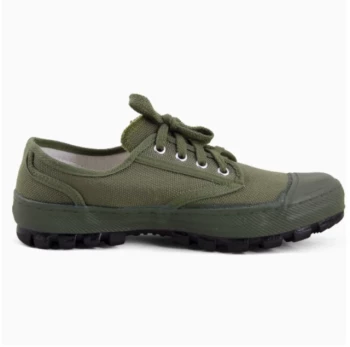
Specialized gardening shoes are essential safety equipment, not a mere accessory. Unlike everyday footwear that wears out quickly, they are engineered to provide critical protection from injuries, withstand harsh garden conditions, and deliver the specific support required for comfort and efficiency during demanding physical work.
Beyond simply protecting your feet, the right gardening shoe acts as a specialized tool. Choosing one based on its sole construction, material, and fit for your specific tasks is the key to preventing injury, reducing fatigue, and working more effectively.
The Foundation of Safety and Protection
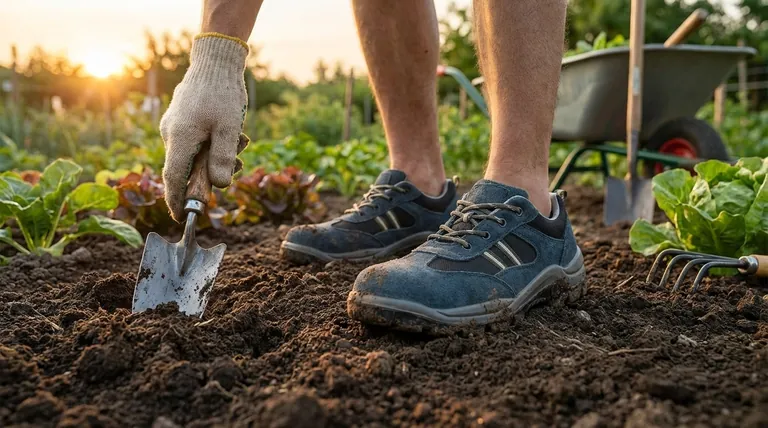
Gardening exposes your feet to a unique set of hazards that standard shoes are not designed to handle. A purpose-built shoe is your first line of defense.
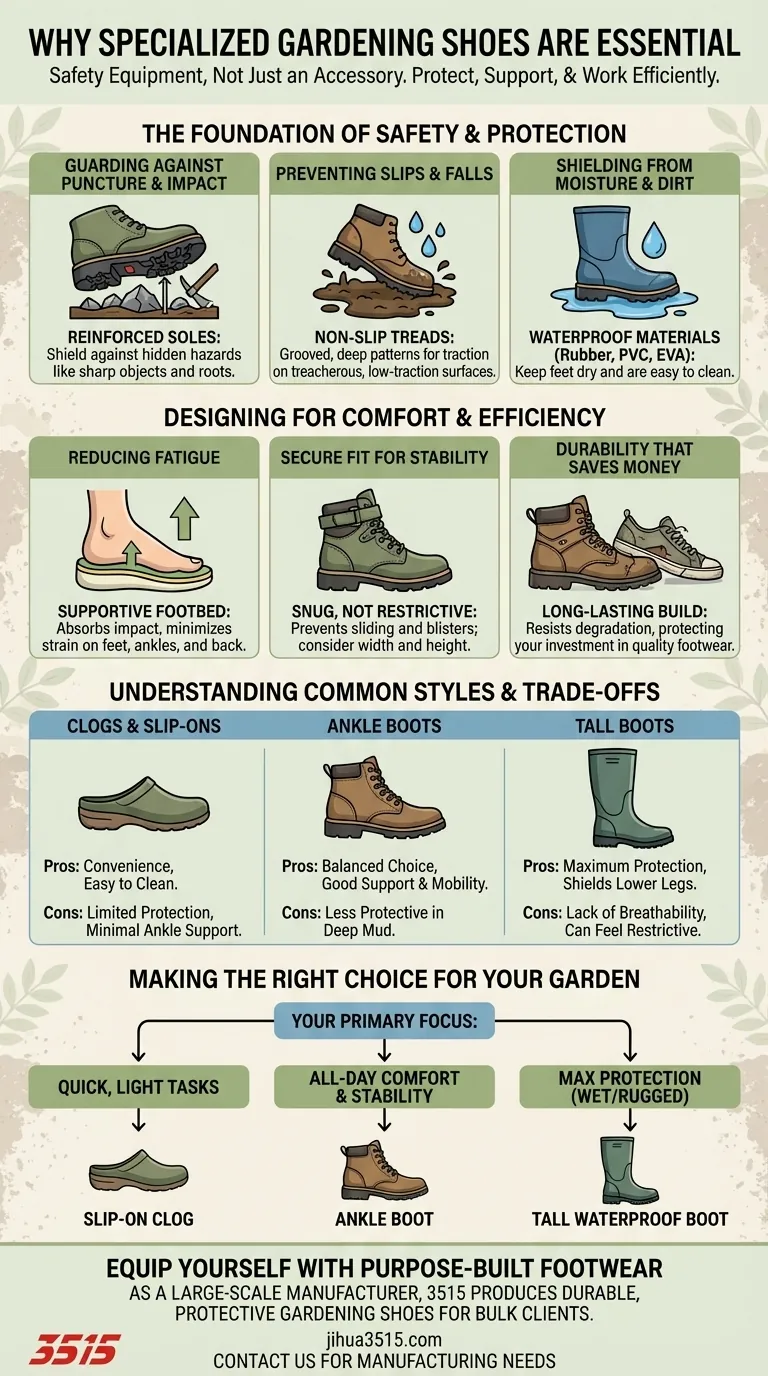
Guarding Against Puncture and Impact
The ground you work on is often unpredictable, hiding sharp rocks, forgotten tools, or stubborn roots.
Specialized gardening shoes often feature reinforced soles designed to protect the bottom of your foot from punctures, a critical feature when digging or tilling soil.
Preventing Slips and Falls
Wet grass, mud, and loose soil create treacherous, low-traction surfaces, making slips and falls a common risk.
Look for models with grooved, non-slip, and deeply treaded soles. This design is essential for maintaining a secure grip on unstable or slippery ground, significantly enhancing your safety.
Shielding from Moisture and Dirt
Constant exposure to water, mud, and fertilizer can quickly ruin standard leather or canvas shoes and lead to discomfort.
Gardening footwear is typically made from waterproof materials like rubber, PVC, or EVA, which keep your feet dry and are exceptionally easy to clean after a day's work.
Designing for Comfort and Efficiency
The right shoe doesn't just protect you; it helps you work better for longer by minimizing physical strain and fatigue.
Reducing Fatigue with Proper Support
Standing, crouching, and walking on uneven terrain for hours places significant stress on your feet, ankles, and back.
Quality gardening shoes provide a cushioned, supportive footbed and good ankle support, which helps absorb impact and reduces overall body fatigue.
The Importance of a Secure Fit
A poor fit can lead to blisters or instability. The shoe should be snug enough to prevent your foot from sliding but not so tight that it restricts movement.
Pay attention to width and height. Clogs may be too wide for narrow feet, while tall boots might have shafts that are too narrow or too high, causing discomfort behind the knee.
Durability That Saves Money
Everyday sneakers and shoes degrade rapidly when subjected to the dirt, moisture, and abrasion of gardening.
Investing in a durable gardening shoe not only protects your feet but also saves you money by preventing the premature destruction of your other, more expensive footwear.
Understanding the Trade-offs: Common Styles
Different gardening tasks call for different types of footwear. Understanding the pros and cons of each style is key to making an informed choice.
Clogs and Slip-ons
These are prized for their convenience. They are easy to slip on for quick trips to the garden and are simple to hose off.
The primary trade-off is limited protection. They offer minimal ankle support and can allow dirt, water, and debris to get inside easily.
Ankle Boots
Ankle boots represent a balanced choice for many gardeners, offering a good mix of protection, support, and mobility.
They provide more stability and debris protection than clogs but are less protective in deep mud or very wet conditions compared to a tall boot.
Tall Boots
For maximum protection, especially in wet, muddy, or overgrown areas, nothing beats a tall boot. They shield your feet and lower legs from water, mud, and scratches.
Their downside can be a lack of breathability, making them hot in warm climates. They are also heavier and can feel more restrictive than shorter styles.
Making the Right Choice for Your Garden
Selecting the perfect shoe depends entirely on your specific environment and the type of work you do most often.
- If your primary focus is quick, light tasks: A slip-on clog offers unmatched convenience and is exceptionally easy to clean.
- If your primary focus is all-day comfort and stability: Look for an ankle boot with a cushioned, supportive footbed and a reliable non-slip sole.
- If your primary focus is maximum protection in wet or rugged conditions: A tall, waterproof rubber boot is the definitive choice for keeping your feet and lower legs safe and dry.
Investing in the right footwear empowers you to garden safely, comfortably, and with greater focus on the task at hand.
Summary Table:
| Feature | Benefit | Key Consideration |
|---|---|---|
| Reinforced Sole | Protects against sharp objects and punctures. | Essential for digging and tilling. |
| Non-Slip Tread | Prevents slips and falls on wet, muddy surfaces. | Look for deep grooves for maximum grip. |
| Waterproof Material | Keeps feet dry and is easy to clean. | Common materials: Rubber, PVC, EVA. |
| Supportive Footbed | Reduces fatigue during long hours of work. | Provides cushioning and arch support. |
| Secure Fit | Prevents blisters and ensures stability. | Snug but not restrictive; consider width/height. |
Ready to equip yourself with durable, purpose-built gardening footwear?
As a large-scale manufacturer, 3515 produces a comprehensive range of durable and protective footwear for distributors, brand owners, and bulk clients. Our production capabilities encompass all types of gardening shoes and boots, designed to meet the specific demands of outdoor work.
Let us help you provide your customers with the safety and comfort they need. Contact us today to discuss your manufacturing needs and discover the 3515 advantage!
Visual Guide
Related Products
- Durable Rubber Sole Outdoor Shoes Wholesale & Custom Manufacturing
- Wholesale Durable Camouflage Canvas Shoes with High-Traction Cleated Rubber Sole
- Wholesale Durable Camo Canvas Shoes with High-Traction Rubber Soles
- Premium Lightweight Safety Shoes for Wholesale & Bulk Orders
- Wholesale Comfortable Business Casual Shoes Custom Manufacturing
People Also Ask
- What is the function of the sole in outdoor shoes? Find the Perfect Grip and Support
- What role do outdoor shoes and sneakers play in navigating external terrains? Engineered Stability for Every Surface
- How is AI utilized in the design of outdoor and safety footwear? Harnessing Big Data for Market-Driven Shoe Innovation
- Why is durability important when selecting outdoor shoes? A Guide to Safety & Long-Term Value
- What are the key components of outdoor shoes that affect comfort and sturdiness? A Guide to Durable, High-Performance Footwear