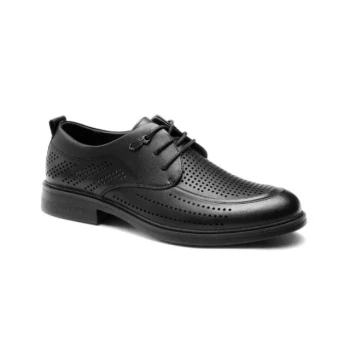
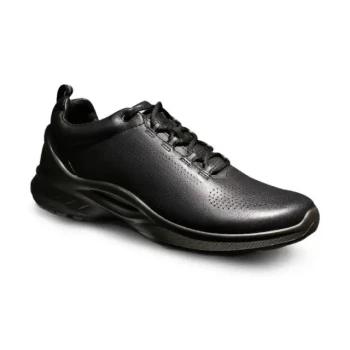
Choosing the right athletic shoe is a critical decision for your physical health and performance. The correct shoe is engineered specifically for the forces of a given activity, providing the right balance of cushioning and flexibility to prevent injury, enhance comfort, and improve efficiency. Using the wrong shoe repeatedly exposes your feet, ankles, and joints to stresses they are not designed to handle.
The core issue is that running and walking exert fundamentally different forces on your body. A shoe designed for the high-impact shock of running cannot facilitate the smooth, rolling motion of walking, and vice-versa, creating a biomechanical mismatch that increases the risk of injury.
The Biomechanics of Motion: Running vs. Walking
Understanding why shoe choice matters begins with understanding how these two movements differ. While they seem similar, they are mechanically distinct activities with vastly different requirements for support and protection.
The High-Impact Force of Running
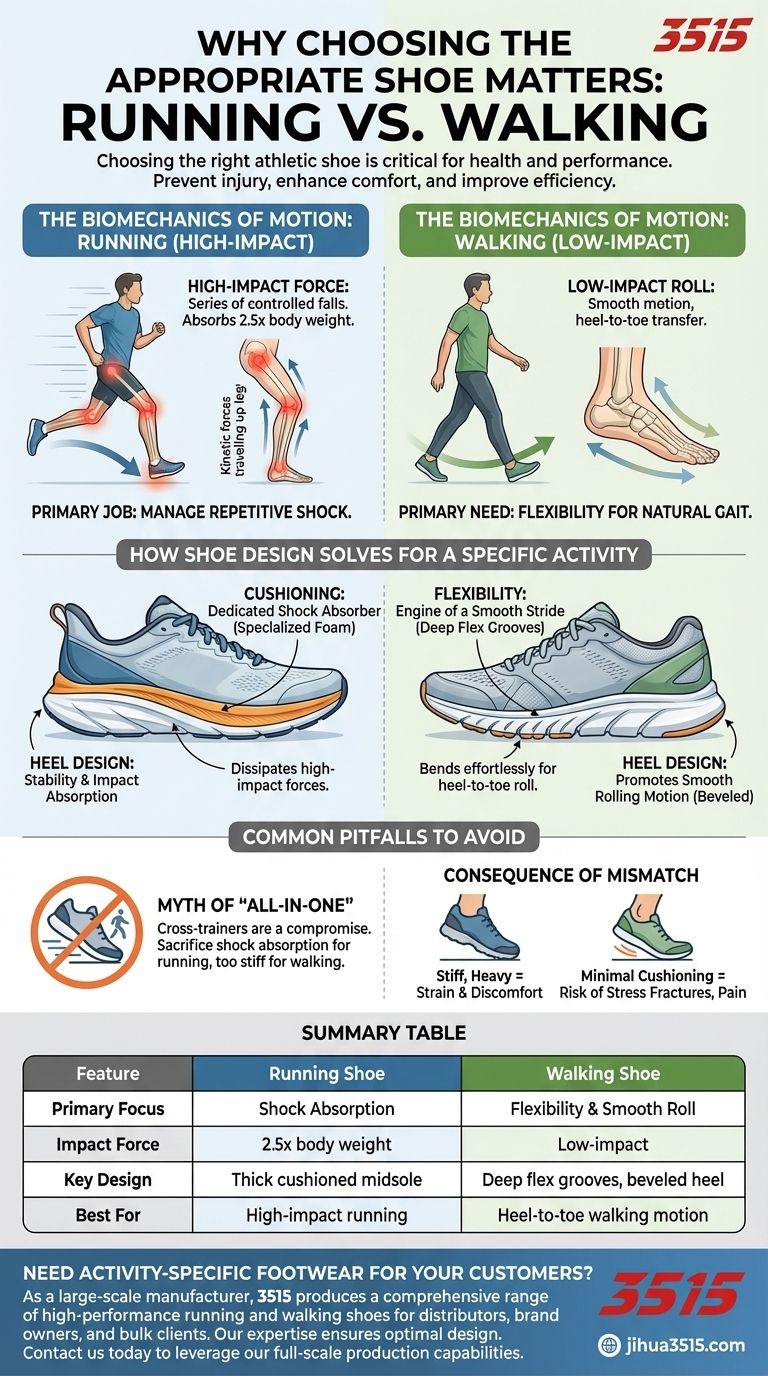
Running is a series of controlled falls that generates significant impact. With each stride, your body absorbs a force equal to approximately 2.5 times your body weight.
A running shoe’s primary job is to manage this repetitive shock. Without adequate cushioning, these forces travel up your kinetic chain, stressing your shins, knees, and hips.
The Low-Impact Roll of Walking
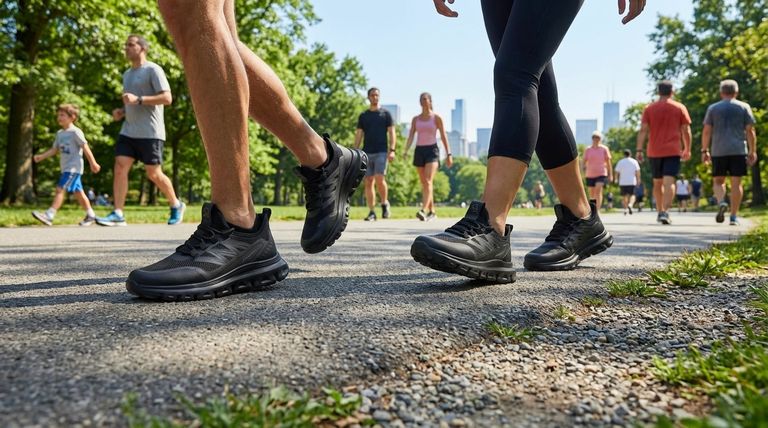
Walking is a much lower-impact activity. It involves a smooth, rolling motion where your weight transfers from your heel, across your foot, and pushes off from your toe.
Because the impact forces are low, the primary need is for flexibility. A walking shoe must bend easily, especially in the forefoot, to allow your foot to roll through its natural gait cycle without resistance.
How Shoe Design Solves for a Specific Activity
Shoe engineering directly addresses the distinct biomechanics of each movement. Key components are designed and tuned to either absorb shock or promote flexibility.
Cushioning: The Dedicated Shock Absorber
Running shoes feature a thick, cushioned midsole, often made of specialized foam. This layer is engineered to compress and rebound, dissipating the high-impact forces before they can harm your joints. This is their most critical feature.
Flexibility: The Engine of a Smooth Stride
Walking shoes, in contrast, often have less bulky cushioning but incorporate deep flex grooves in the sole. These grooves allow the shoe to bend effortlessly with your foot, promoting a natural and efficient heel-to-toe roll.
Heel Design: The Point of First Contact
Running shoes often have a built-up, flared heel to provide stability and absorb the initial impact of a heel strike. Walking shoes typically have a more rounded or "beveled" heel to encourage the smooth rolling motion essential for a proper walking gait.
Common Pitfalls to Avoid
Choosing the wrong shoe is an easy mistake to make, often leading to discomfort and chronic injury over time.
The Myth of the "All-in-One" Shoe
So-called "cross-trainers" are a compromise. They are designed for lateral stability and some cushioning, making them suitable for general gym workouts but not specialized for the repetitive, straight-line motion of dedicated running or walking.
Using a cross-trainer for regular runs means you sacrifice the necessary shock absorption. Using them for long walks means you are fighting against a shoe that is too stiff and heavy.
Ignoring the Consequence of Mismatch
Wearing a stiff, heavily-cushioned running shoe for walking can feel clumsy and may even strain the muscles in your shins and feet as you fight its lack of flexibility.
Conversely, running in a flexible walking shoe is far more dangerous. The minimal cushioning provides inadequate protection from impact, leading to a higher risk of stress fractures, shin splints, and joint pain.
Making the Right Choice for Your Activity
Your decision should be guided by your primary form of exercise.
- If your primary focus is running: Prioritize shoes with superior cushioning and a supportive heel explicitly designed to absorb repetitive high-impact forces.
- If your primary focus is walking: Seek out a lightweight shoe with significant flexibility in the forefoot to facilitate a smooth, natural, and efficient gait.
- If you do a mix of activities (but not long-distance running or walking): A cross-trainer can serve as a functional middle ground for general fitness and agility training.
Investing in activity-appropriate footwear is a direct investment in your ability to move comfortably and without injury for years to come.
Summary Table:
| Feature | Running Shoe | Walking Shoe |
|---|---|---|
| Primary Focus | Shock Absorption | Flexibility & Smooth Roll |
| Impact Force | 2.5x body weight | Low-impact |
| Key Design | Thick, cushioned midsole | Deep flex grooves, beveled heel |
| Best For | High-impact running | Heel-to-toe walking motion |
Need activity-specific footwear for your customers?
As a large-scale manufacturer, 3515 produces a comprehensive range of high-performance running and walking shoes for distributors, brand owners, and bulk clients. Our expertise in biomechanically-correct design ensures optimal cushioning, flexibility, and durability for every activity.
Contact us today to discuss your footwear needs and leverage our full-scale production capabilities for all types of shoes and boots.
Visual Guide
Related Products
- Athletic Safety Shoes with Dial Closure & Steel Toe for Wholesale & Custom Manufacturing
- Wholesale Breathable Training Shoes Custom Athletic Footwear Manufacturer
- Wholesale Breathable Athletic Sneakers - Custom Lightweight Cushioned Footwear Manufacturer
- Premium KPU Athletic Safety Shoes for Wholesale
- Advanced KPU Athletic Safety Shoe with Steel Toe Cap Anti-Slip Rotary Lacing System
People Also Ask
- What are the primary protective functions of safety shoes with steel toes in the automotive repair industry?
- In what ways do high-performance Athletic Shoes support stability and proprioception? Enhance Your Movement Precision
- Why are athletic shoes recommended for walking? The Key to Joint Protection and Injury Prevention
- What is the importance of grip in athletic footwear? Prevent Lower Limb Injuries with Optimal Slip Resistance
- How do specialized lightweight foam midsole materials contribute to the performance and safety of athletic shoes?