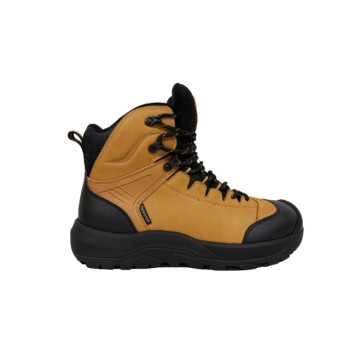
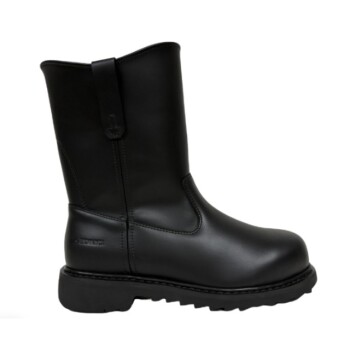
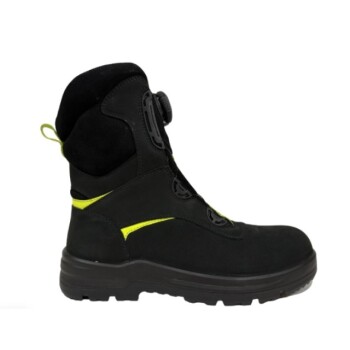
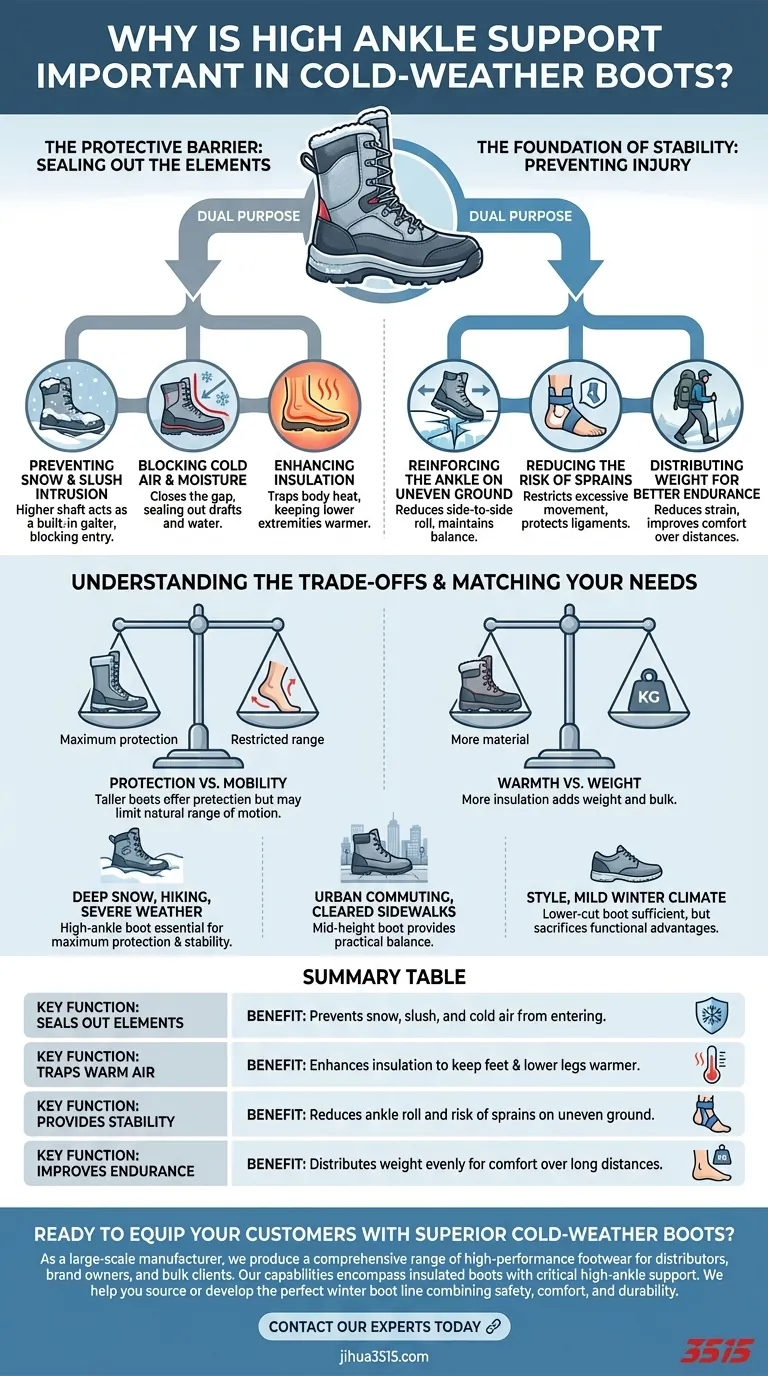
Ultimately, high ankle support in cold-weather boots serves a dual purpose: it acts as a physical barrier against the elements and provides critical stability for navigating hazardous winter terrain. This design choice is not merely aesthetic; it is a fundamental feature for warmth, safety, and dryness in challenging conditions.
The most critical function of a high ankle in winter boots is creating a seal. This seal works in two ways: it keeps snow and moisture out while simultaneously trapping warm air in, directly impacting your comfort and safety.
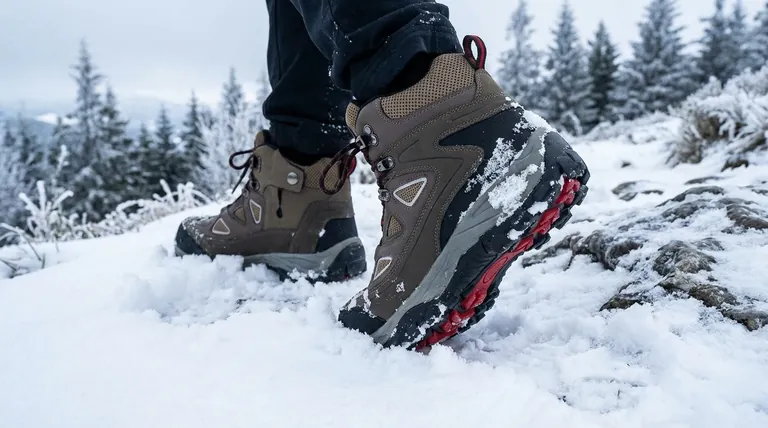
The Protective Barrier: Sealing Out the Elements
A boot's effectiveness in winter is often defined by its ability to keep your feet dry and warm. The height of the ankle plays a direct role in this.
Preventing Snow and Slush Intrusion
A higher shaft acts as a built-in gaiter, providing a crucial barrier that prevents snow, slush, and debris from entering the boot from the top. This is especially important when walking through deep snow or unshoveled paths.
Blocking Cold Air and Moisture
The gap between your pants and the top of a low-cut boot is a significant point of heat loss and moisture entry. A high-ankle design closes this gap, effectively sealing out cold drafts and preventing water from seeping in.
Enhancing Insulation
By covering the ankle and lower leg, the boot adds an extra layer of insulation. This traps body heat that would otherwise escape, keeping not just your feet but your entire lower extremities warmer.
The Foundation of Stability: Preventing Injury
Winter surfaces are inherently unpredictable. Ice, packed snow, and hidden obstacles under a fresh snowfall create a high-risk environment for slips and falls.
Reinforcing the Ankle on Uneven Ground
A snug, high-ankle fit provides structural support that helps keep your foot secure. This reduces the amount of side-to-side ankle roll, which is critical for maintaining balance on slippery or uneven terrain.
Reducing the Risk of Sprains
The added support significantly lowers the risk of common winter injuries like ankle sprains. By restricting excessive movement, the boot helps protect your ligaments during a sudden misstep or slip.
Distributing Weight for Better Endurance
For those carrying heavy gear or undertaking long winter hikes, proper ankle support helps distribute weight more evenly. This reduces strain on your feet and ankles, improving comfort and endurance over long distances.
Understanding the Trade-offs
While highly functional, the high-ankle design is not without its considerations. Choosing the right boot means understanding its limitations.
Protection vs. Mobility
A taller, more rigid boot offers maximum protection but can sometimes feel restrictive, limiting the natural range of motion in the ankle. This can be a factor in activities requiring more agility.
Warmth vs. Weight
More material means more insulation and protection, but it also adds weight and bulk. For casual urban use, a heavy, high-cut boot might be excessive.
Matching Boot Height to Your Winter Needs
Your ideal boot depends entirely on how you intend to use it. Evaluate your typical winter environment and activities to make an informed decision.
- If your primary focus is deep snow, hiking, or severe weather: A high-ankle boot is essential for maximum protection, warmth, and stability.
- If your primary focus is urban commuting with cleared sidewalks: A mid-height boot provides a practical balance of elemental protection and walking comfort.
- If your primary focus is style in a mild winter climate: A lower-cut ankle boot may be sufficient, but you sacrifice significant functional advantages in true winter conditions.
Choosing the right winter boot is an investment in your safety and comfort, and understanding the role of ankle height empowers you to make the correct one.
Summary Table:
| Key Function | Benefit |
|---|---|
| Seals Out Elements | Prevents snow, slush, and cold air from entering the boot. |
| Traps Warm Air | Enhances insulation to keep feet and lower legs warmer. |
| Provides Stability | Reduces ankle roll and risk of sprains on uneven ground. |
| Improves Endurance | Distributes weight evenly for comfort over long distances. |
Ready to equip your customers with superior cold-weather boots?
As a large-scale manufacturer, 3515 produces a comprehensive range of high-performance footwear for distributors, brand owners, and bulk clients. Our production capabilities encompass all types of insulated boots with the critical high-ankle support detailed in this article.
We can help you source or develop the perfect winter boot line that combines safety, comfort, and durability. Contact our experts today to discuss your production needs and bring reliable winter footwear to your market.
Visual Guide
Related Products
- Durable Leather High-Ankle Tactical Boots for Wholesale & Custom Manufacturing
- Durable High-Ankle Tactical Boots for Wholesale & Custom Manufacturing
- Durable High-Ankle Tactical Boots Wholesale Manufacturer for Custom & Bulk Orders
- Wholesale High-Traction Camo Boots - Custom Manufacturer for Brands
- Premium Insulated Safety Boots and Shoes for Wholesale & Bulk Orders
People Also Ask
- How do military uniforms and tactical boots impact the prediction of thermal risk? Essential Safety Insights
- How does the material of tactical boots affect their performance? Choose the Right Material for Your Mission
- Why is sequential analysis utilized to evaluate tactical boots? Master Dynamic Boot Development and Ergonomic Performance
- How do tactical boots differ from regular boots? Performance, Durability & Design Explained
- What are the primary differences between tactical boots and combat boots? Choose the Right Boot for Your Mission