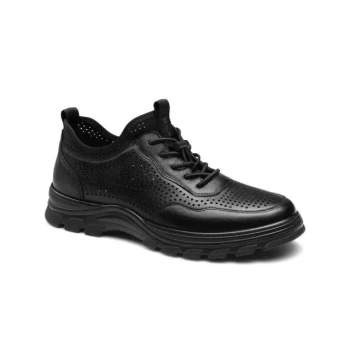
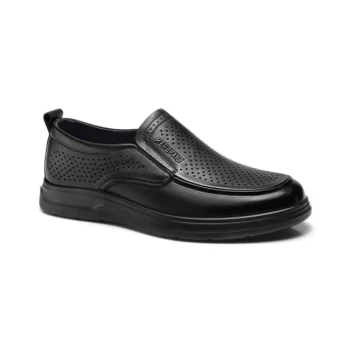
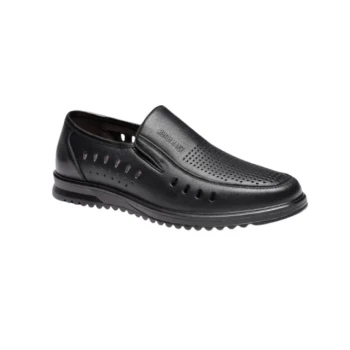
In short, comfort and fit are the most critical factors because they determine a sneaker's usability and its impact on your long-term foot health. A casual sneaker is meant for daily life, and if it causes discomfort or doesn't provide proper support, it fails its primary purpose, regardless of its style or brand.
The search for the right casual sneaker is not about finding the most stylish option, but about finding the one that seamlessly integrates into your life. Prioritizing comfort and fit is an investment in your daily well-being and ensures the sneakers you buy are the ones you'll actually wear.
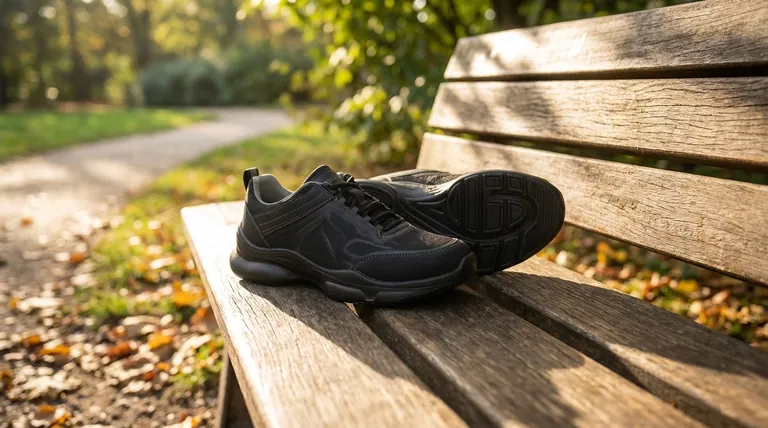
The Anatomy of Comfort: Beyond a Soft Feel
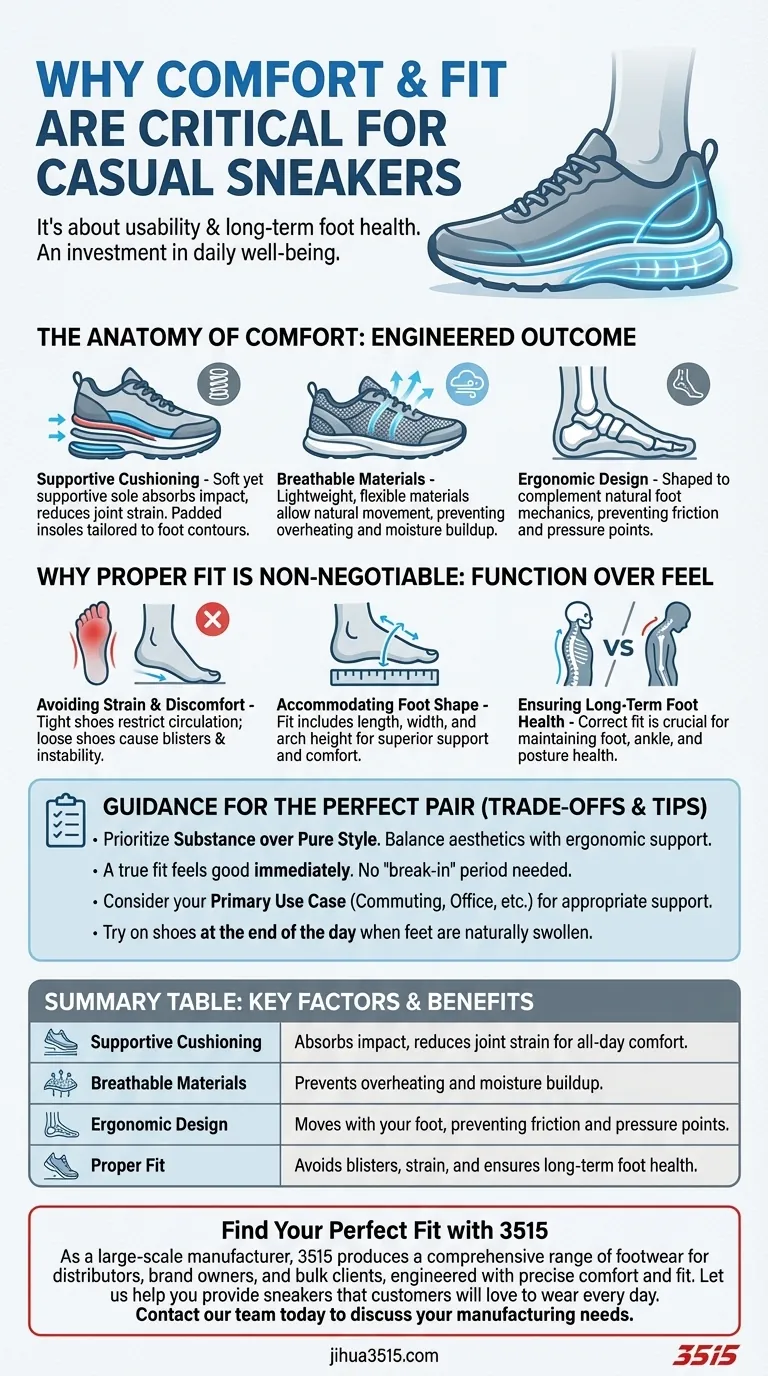
True comfort is an engineered outcome, not an accident. It's a combination of specific design choices that work together to support your foot through the demands of a busy day.
Supportive Cushioning
The foundation of a comfortable sneaker is its sole. A soft but supportive structure absorbs impact from walking on hard surfaces, reducing the strain on your joints. Padded insoles add another layer of cushioning tailored to the contours of your foot.
Breathable Materials
Sneakers made from lightweight, flexible materials allow your feet to move naturally and, most importantly, to breathe. This prevents overheating and moisture buildup, which are common causes of discomfort during prolonged wear.
Ergonomic Design
The best casual sneakers are shaped to complement the natural mechanics of the human foot. This ergonomic approach ensures the shoe moves with you, preventing unnecessary friction and pressure points.
Why a Proper Fit is Non-Negotiable
While comfort is about how a shoe feels, fit is about how it functions. An improper fit can negate even the most advanced comfort features and lead to significant issues.
Avoiding Strain and Discomfort
Shoes that are too tight or loose force your feet into unnatural positions. Overly tight shoes can restrict circulation and cause pain, while shoes that are too large can cause your foot to slide, leading to blisters and instability.
Accommodating Foot Shape
Length is only one dimension of fit. A proper fit must also account for the width of your foot and the height of your arch. A shoe that matches your unique foot shape provides superior support and dramatically enhances comfort.
Ensuring Long-Term Foot Health
Consistently wearing ill-fitting footwear is a leading cause of foot problems. Ensuring your sneakers fit correctly is a crucial step in maintaining the health of your feet, ankles, and even your posture over time.
Understanding the Trade-offs
Choosing the right sneaker often involves balancing competing priorities. Being aware of common pitfalls helps you make a more informed decision.
Style vs. Substance
The most fashionable or trendy sneaker is not always the most comfortable. It's critical to assess whether a shoe's design prioritizes aesthetics at the expense of ergonomic support. The ideal choice finds a balance between the two.
The Myth of the "Break-In" Period
While some shoes may soften slightly with wear, a truly comfortable and well-fitting sneaker should feel good from the moment you try it on. Significant discomfort in the store is a red flag that the fit or design is wrong for your foot.
Ignoring Your Primary Use Case
The level of support you need for a short walk to a coffee shop is different from what you need for a day spent on your feet. Always consider how you will primarily use the sneakers and choose a pair with the appropriate level of support and durability.
How to Ensure the Perfect Fit
Use your primary goal to guide your final decision, always starting from a foundation of excellent comfort and a precise fit.
- If your primary focus is all-day wear and commuting: Prioritize a lightweight construction, ample cushioning in the sole, and highly breathable upper materials.
- If your primary focus is a business-casual office: Seek a clean, minimalist design in a solid color, but verify it has a supportive, ergonomic insole for sustained comfort.
- If your primary focus is preventing foot pain: Always try on shoes at the end of the day when feet are naturally swollen, and never compromise on proper width and arch support.
Ultimately, the best casual sneaker is the one you forget you are wearing.
Summary Table:
| Key Factor | Why It Matters |
|---|---|
| Supportive Cushioning | Absorbs impact, reduces joint strain for all-day comfort. |
| Breathable Materials | Prevents overheating and moisture buildup. |
| Ergonomic Design | Moves with your foot, preventing friction and pressure points. |
| Proper Fit | Avoids blisters, strain, and ensures long-term foot health. |
Find Your Perfect Fit with 3515
As a large-scale manufacturer, 3515 produces a comprehensive range of footwear for distributors, brand owners, and bulk clients. Our production capabilities encompass all types of shoes and boots, engineered with the precise comfort and fit your customers demand.
Let us help you provide sneakers that customers will love to wear every day. Contact our team today to discuss your manufacturing needs.
Visual Guide
Related Products
- Wholesale Smart Casual Sneakers with Dial Closure | Factory Direct Manufacturing
- Wholesale Leather Business Casual Shoes with Dial Closure - Manufacturer of Comfort Dress Sneakers
- Wholesale Comfortable Business Casual Shoes Custom Manufacturing
- Dial Closure Leather Business Casual Shoes for Wholesale & Private Label
- Lightweight Breathable Sneakers with Wet-Traction Grip for Wholesale & Private Label
People Also Ask
- What should be considered regarding the materials used in casual sneakers? Choose for Comfort, Durability & Style
- What are the key factors to consider when choosing casual sneakers? Find Your Perfect Fit & Style
- What steps can be taken to ensure the best selection of casual sneakers? A Guide to Comfort, Style & Durability
- How does style and versatility factor into choosing casual sneakers? Build a Timeless Wardrobe Foundation
- How should price and value for money be evaluated for casual sneakers? Maximize Your Investment with Cost-Per-Wear