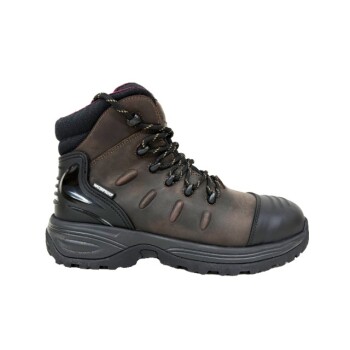
Choosing the right footwear for farming and gardening is a foundational decision for your safety and productivity. It goes far beyond simple comfort, directly impacting your physical endurance and protection against injury. Standard shoes are not designed to withstand the unique demands of outdoor work and will fail to provide the necessary support, durability, and functionality required for these tasks.
Your footwear is not an accessory; it is a critical piece of equipment. Selecting the right boot is about preventing injury and reducing physical strain, which directly enhances your endurance and work efficiency in demanding outdoor conditions.
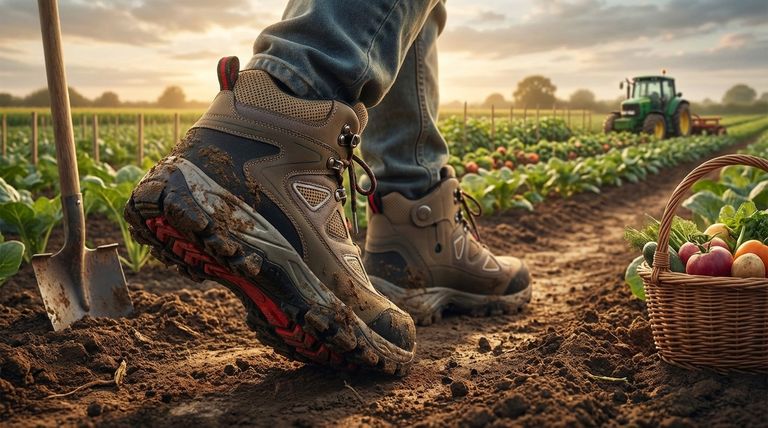
The Core Pillars of Effective Agricultural Footwear
To understand why specialized footwear is essential, we must break down its key functions. Each pillar is designed to solve a specific problem inherent to working on the land.
Uncompromising Protection
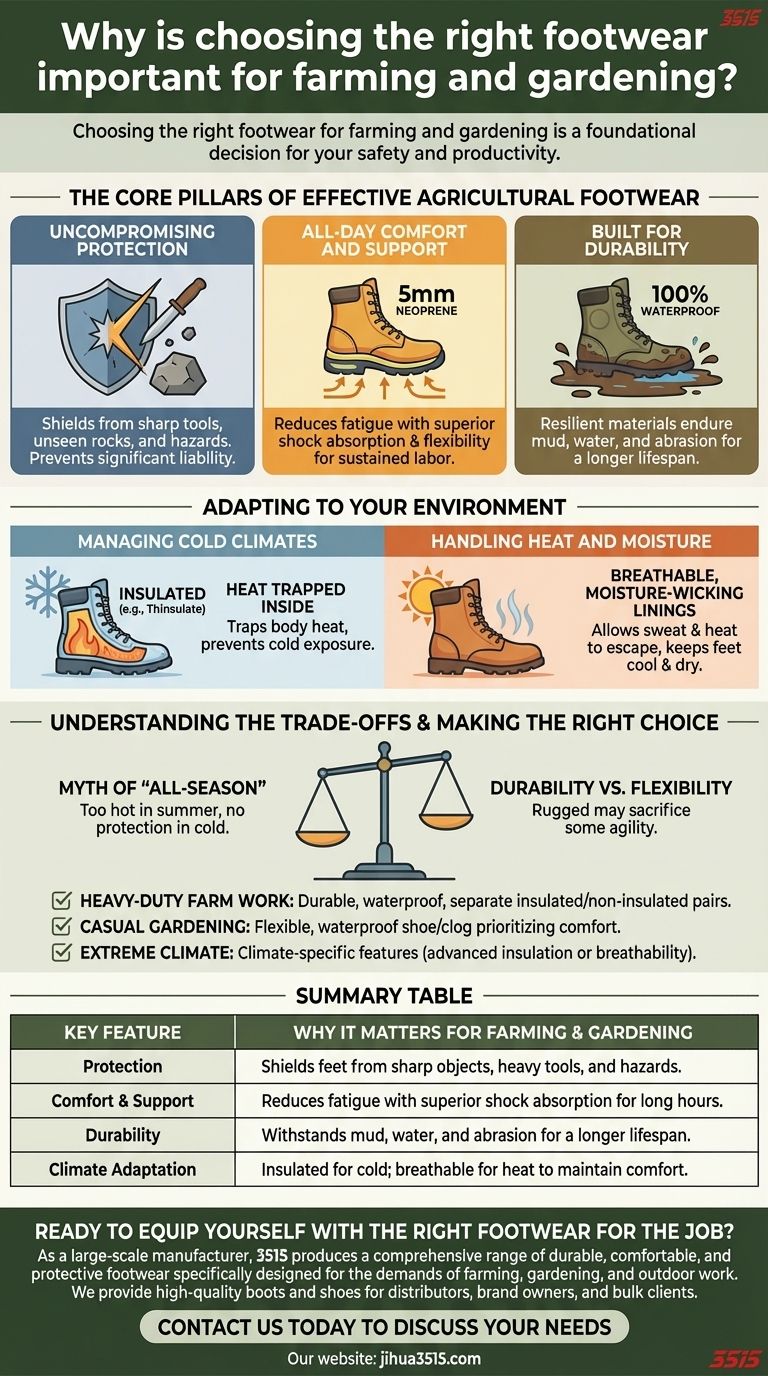
Farming and gardening environments are unpredictable. Specialized boots are engineered to shield your feet from sharp tools, unseen rocks, and other potential hazards. Everyday shoes lack the structural integrity to prevent injuries, making them a significant liability.
All-Day Comfort and Support
Long hours on your feet demand exceptional support to reduce fatigue. Quality boots often use materials like 5mm neoprene to provide superior shock absorption and flexibility. This is a level of comfort specifically designed for sustained physical labor, not casual walking.
Built for Durability
Mud, water, and constant abrasion will quickly destroy standard footwear. Agricultural boots are constructed from resilient, often 100% waterproof materials that can endure constant exposure to harsh elements, ensuring a far longer lifespan.
Adapting to Your Environment
A single boot is rarely perfect for all conditions. The right choice depends heavily on your climate, as temperature regulation is critical for both comfort and safety.
Managing Cold Climates
For work in colder regions, insulated boots are non-negotiable. Materials like Thinsulate are designed to trap body heat effectively, keeping your feet warm and preventing the loss of function associated with cold exposure.
Handling Heat and Moisture
In hot weather, the priority shifts from insulation to ventilation. Boots with breathable, moisture-wicking linings are essential. They allow sweat and heat to escape, keeping your feet cool, dry, and comfortable during strenuous work.
Understanding the Trade-offs
Selecting the right boot involves balancing competing needs. Being aware of these trade-offs is key to making an informed decision.
The Myth of the "All-Season" Boot
A boot heavily insulated for winter will be intensely uncomfortable and cause excessive sweating in the summer heat. Conversely, a lightweight, breathable summer boot offers no meaningful protection from the cold.
Durability vs. Flexibility
The most rugged, heavily protective boots may sacrifice some degree of flexibility. This can be a drawback for tasks that require frequent squatting or agility. You must balance the need for maximum protection with your typical range of motion.
The True Cost of Inadequate Footwear
Using standard sneakers or shoes is a false economy. They will wear out rapidly, requiring frequent replacement. More importantly, their lack of protection and support increases the risk of discomfort, reduced work efficiency, and even physical injury.
Making the Right Choice for Your Work
Your specific tasks, climate, and the intensity of your work should dictate your choice.
- If your primary focus is heavy-duty, year-round farm work: Invest in durable, waterproof boots and consider owning separate insulated and non-insulated pairs.
- If your primary focus is casual gardening in a moderate climate: A flexible, waterproof shoe or clog offers sufficient protection while prioritizing comfort and ease of use.
- If your primary focus is working in extreme heat or cold: Do not compromise on climate-specific features like advanced insulation or maximum breathability.
Investing in the right footwear is a direct investment in your own physical well-being and the quality of your work.
Summary Table:
| Key Feature | Why It Matters for Farming & Gardening |
|---|---|
| Protection | Shields feet from sharp objects, heavy tools, and unseen hazards. |
| Comfort & Support | Reduces fatigue with superior shock absorption for long hours of work. |
| Durability | Withstands mud, water, and abrasion for a longer lifespan than standard shoes. |
| Climate Adaptation | Insulated for cold; breathable for heat to maintain comfort and safety. |
Ready to equip yourself with the right footwear for the job?
As a large-scale manufacturer, 3515 produces a comprehensive range of durable, comfortable, and protective footwear specifically designed for the demands of farming, gardening, and outdoor work. We provide high-quality boots and shoes for distributors, brand owners, and bulk clients, ensuring your feet are protected and supported.
Contact us today to discuss your needs and discover how our production capabilities can deliver the perfect footwear solution for your customers or workforce.
Get a Quote & Discuss Your Needs
Visual Guide
Related Products
- Factory Direct Wholesale Rain Boots Durable Waterproof & Fully Customizable
- Wholesale Customizable Safety Boots Durable & Protective Footwear Manufacturing
- Durable Goodyear Welt Leather Work Boots for Wholesale & Private Label
- Heavy-Duty Waterproof Nubuck Safety Boots Safety Shoes for Bulk Supply
- Wholesale Tactical Boots High-Traction & Reflective for Bulk & Brand Orders
People Also Ask
- What are the characteristics of rain boots? A Guide to Waterproof Footwear for Every Need
- What factors should be considered when choosing rain boots? Find the Perfect Boot for Your Needs
- What are the main differences between rain boots and snow boots? Choose the Right Boot for Your Climate
- How should one decide between PVC and rubber for rain boots? A Guide to Choosing the Right Material
- Why are rain boots more flexible and comfortable than snow boots? The Key Differences Explained