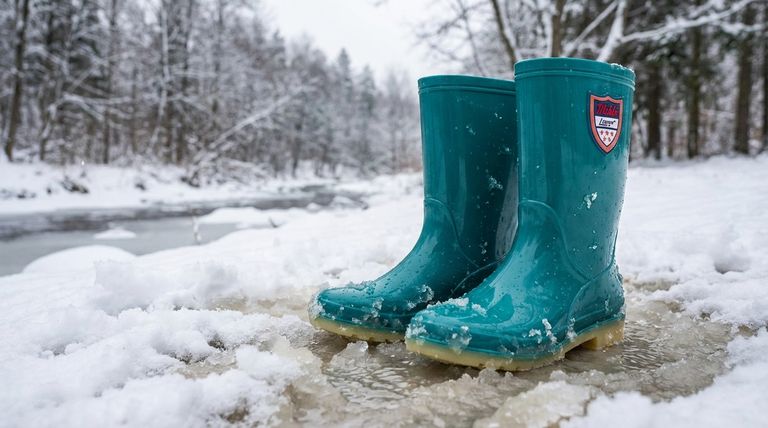
In short, yes. Wellies are considered a good choice for winter footwear primarily because their seamless, waterproof construction provides definitive protection against wetness from snow, slush, and rain. When combined with proper insulation, they create a formidable barrier that keeps your feet both dry and warm in harsh winter conditions.
The core value of a wellie in winter is its absolute waterproofness. However, its effectiveness as a true winter boot depends entirely on its insulation, sole thickness, and traction—features that separate a basic garden boot from a winter-ready one.
The Core Principles of Winter Footwear
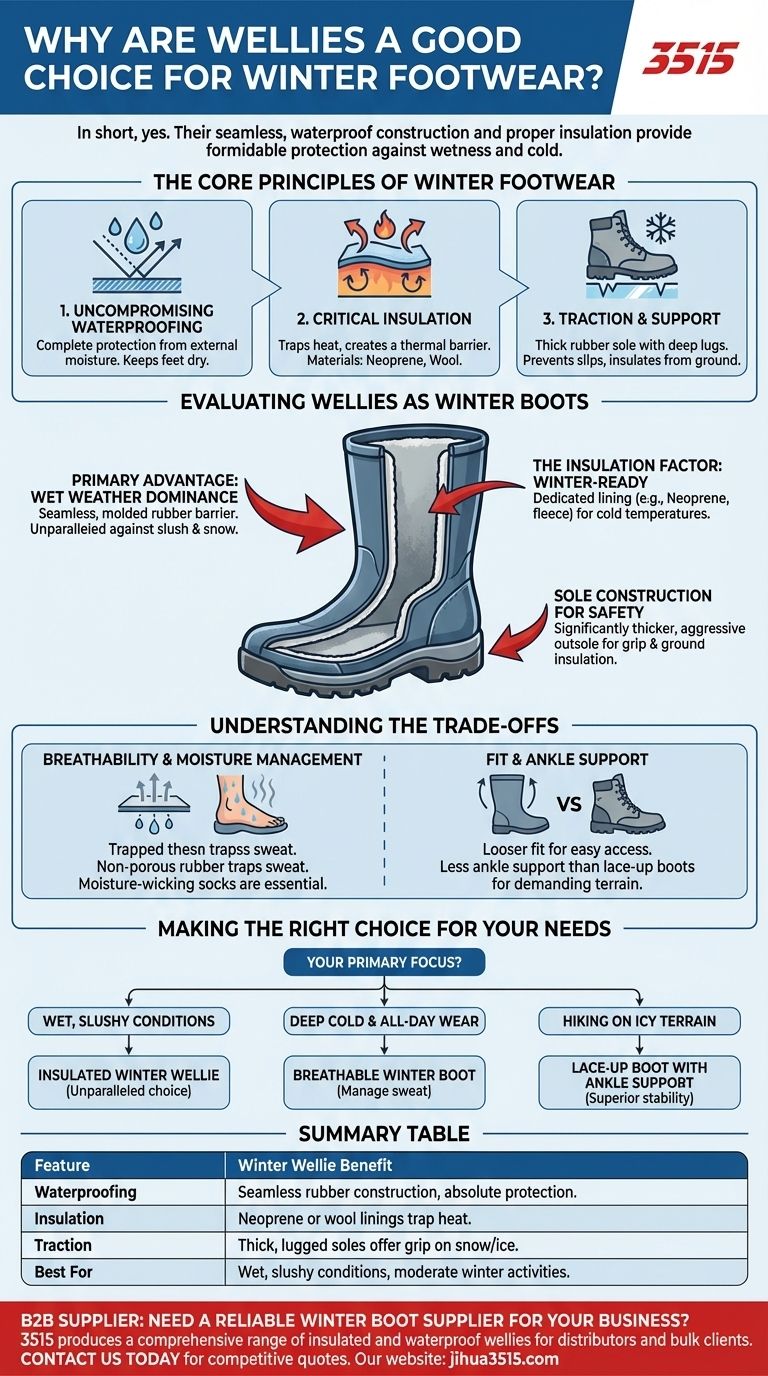
To understand why a wellie works, we must first understand what any good winter boot needs to accomplish. The goals are simple but critical: keep your feet warm, dry, and stable.
The First Defense: Uncompromising Waterproofing
Your feet getting wet is the fastest way for them to get cold. Wet socks lose their insulating properties and can even lead to health issues like fungal infections.
This is where the wellie's core design shines. Made from rubber or similar waterproof materials, its seamless construction offers complete protection from external moisture.
The Second Defense: Critical Insulation
Simply keeping water out isn't enough; you must also keep heat in. Insulation traps air, creating a thermal barrier between your foot and the cold outside.
High-quality winter wellies are lined with insulating materials. Neoprene is a common choice, but natural fibers like wool are also used for their excellent warmth, moisture-wicking properties, and odor resistance.
The Foundation: Traction and Support
Winter surfaces are often slippery and unpredictable. The sole of your boot is your connection to the ground and is crucial for safety and comfort.
A proper winter boot needs a thick rubber sole with deep lugs (treads). This design serves two purposes: it provides reliable traction on snow and ice, and it insulates your foot from the frozen ground below.
Evaluating Wellies as Winter Boots
Not all wellies are created equal. A thin, unlined boot designed for summer gardening will not serve you well in a snowstorm. Here is how a purpose-built winter wellie meets the criteria.
Primary Advantage: Wet Weather Dominance
For slushy, wet, and snowy conditions, the wellie's waterproof design is unparalleled. Unlike sewn boots that can have points of failure at the seams, a wellie is a single, molded barrier.
The Insulation Factor: From Basic to Winter-Ready
A standard rubber boot offers very little insulation and can make your feet cold quickly. A true winter wellie, however, will have a dedicated lining (often 3mm to 7mm of neoprene or a fleece/wool layer) specifically rated for cold temperatures.
Sole Construction for Safety
Winter-specific wellies feature significantly thicker, more aggressive outsoles than their warm-weather counterparts. This provides the necessary grip and insulation to prevent slips and keep the cold from penetrating from the ground up.
Understanding the Trade-offs
While excellent for many winter scenarios, wellies have inherent limitations you must consider. Objectivity is key to making the right choice.
Breathability and Moisture Management
The very feature that makes wellies waterproof—non-porous rubber—also means they are not breathable. If your feet sweat, that moisture has nowhere to go.
This can be a significant issue during high-exertion activities or long periods of wear, as the trapped moisture can eventually make your feet feel cold and clammy. A moisture-wicking sock is essential.
Fit and Ankle Support
Traditional wellies have a looser fit to allow for easy slip-on access. This design generally offers less ankle support than a lace-up winter boot.
For walking on flat or moderately uneven ground, this is perfectly fine. For more demanding terrain like icy hiking trails, you may want a boot that provides a more secure, locked-in fit.
Making the Right Choice for Your Needs
To choose correctly, match the boot's strengths to your most common winter activities.
- If your primary focus is wet, slushy conditions: An insulated winter wellie is an unparalleled choice for keeping your feet completely dry and warm.
- If your primary focus is deep cold and all-day wear: A breathable winter boot might be a better option to manage sweat and prevent internal moisture buildup.
- If your primary focus is hiking on icy terrain: Prioritize a lace-up boot with superior ankle support and a specialized high-traction sole.
By understanding these core principles, you can confidently select the winter footwear that will truly protect and support you.
Summary Table:
| Feature | Winter Wellie Benefit |
|---|---|
| Waterproofing | Seamless rubber construction provides absolute protection from wetness. |
| Insulation | Neoprene or wool linings trap heat to keep feet warm in the cold. |
| Traction | Thick, lugged soles offer grip on snow and ice, preventing slips. |
| Best For | Wet, slushy conditions, and moderate winter activities. |
Need a reliable winter boot supplier for your business?
As a large-scale manufacturer, 3515 produces a comprehensive range of insulated and waterproof wellies for distributors, brand owners, and bulk clients. Our production capabilities encompass all types of winter-ready footwear designed to meet the highest standards of protection and comfort.
Contact us today to discuss your specific needs and get a competitive quote.
Visual Guide
Related Products
- Premium Insulated Safety Boots and Shoes for Wholesale & Bulk Orders
- Durable Waterproof Rain Boots | Custom Manufacturer for Wholesale & Brands
- Wholesale Durable Leather Work Boots | 8-Inch Goodyear Welt Manufacturer
People Also Ask
- What are the recommended insulation ratings for mild winter conditions? A Guide for Active & Stationary Workers
- How does insulation thickness correlate with temperature ranges? A Guide to Choosing the Right Warmth
- What insulation level is needed for severe cold and stationary work? 1200g or Higher is Essential
- What safety advantages do insulated boots offer beyond warmth? Dielectric Protection & Superior Grip
- How does fleece lining contribute to the warmth of insulated boots? Trapping Air for Superior Cold Protection