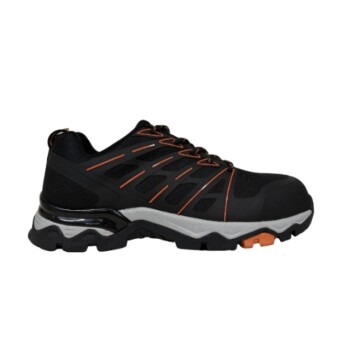
Protective footwear acts as a fundamental barrier in medical environments, primarily serving to block blood, contaminants, and infectious fluids from penetrating through to the skin. These shoes are considered essential because they combine this biological shielding with physical safeguards—such as slip and chemical resistance—to maintain safety and prevent pathogen transmission in complex primary healthcare settings.
In infection prevention, safety shoes function as a dual-purpose shield: they protect the healthcare worker from direct exposure to hazardous fluids and chemicals, while simultaneously reducing the risk of tracking pathogens across clinical environments.
The Role of Barrier Protection
Preventing Fluid Penetration
The primary function of specialized protective shoes is to maintain an impermeable seal against biological hazards. In medical settings, there is a constant risk of spills involving blood or other infectious fluids.
Standard footwear often allows these fluids to seep through materials, putting the wearer at risk. Specialized safety shoes are designed specifically to prevent these contaminants from penetrating the material and contacting the skin.
Interrupting Pathogen Transmission
Footwear is a significant vector for moving contaminants from one area to another. Pathogens can easily adhere to standard shoe soles and travel throughout a facility.
Specialized safety shoes are integrated into infection prevention plans to mitigate this risk. By utilizing materials designed for clinical environments, they help prevent the transmission of pathogens through foot contact.
Physical and Environmental Safety Features
Stability in Hazardous Conditions
Primary healthcare settings are complex environments where floors can become wet or slick. High-performance slip resistance is a critical feature of safety shoes.
This prevents falls and accidents that could compromise the sterile field or injure the healthcare worker. Stability is a prerequisite for maintaining control during medical procedures.
Resistance to Chemical Agents
Medical environments rely heavily on potent disinfectants and cleaning agents. Standard shoes may degrade when exposed to these substances.
Safety shoes offer chemical corrosion resistance, ensuring the footwear remains intact and protective even after repeated exposure to harsh sanitation chemicals.
Common Pitfalls in Footwear Selection
Overlooking Permeability
A common mistake is selecting footwear based on comfort alone without verifying fluid resistance. If the material is porous, it fails its primary purpose as a barrier against infectious fluids.
Neglecting Environmental Hazards
Focusing solely on biological protection while ignoring physical safety is a significant oversight. Footwear that resists fluids but lacks slip resistance creates a physical safety hazard in high-traffic, fluid-rich clinical areas.
Making the Right Choice for Your Protocol
When selecting safety footwear for infection prevention plans, evaluate the specific risks of the environment.
- If your primary focus is Fluid Exposure: Prioritize shoes with verified impermeability to block blood and contaminants from skin contact.
- If your primary focus is Environmental Safety: Ensure the footwear specifies high-performance slip resistance and durability against chemical corrosion.
Effective infection control relies on a head-to-toe approach, where specialized footwear serves as the critical foundation for worker safety and pathogen containment.
Summary Table:
| Feature | Benefit in Infection Prevention |
|---|---|
| Fluid Impermeability | Blocks blood, contaminants, and infectious fluids from skin contact. |
| Pathogen Interruption | Prevents tracking and transmission of pathogens across clinical areas. |
| Slip Resistance | Ensures stability, preventing falls in wet or slick environments. |
| Chemical Resistance | Protects footwear integrity against harsh disinfectants and cleaning agents. |
Elevate your product line with industry-leading protective footwear. As a large-scale manufacturer serving distributors and brand owners, 3515 offers comprehensive production capabilities for all footwear types, anchored by our flagship Safety Shoes series. Our extensive portfolio covers work and tactical boots, outdoor shoes, training shoes, and sneakers, as well as Dress & Formal shoes to meet diverse bulk requirements. Ensure unparalleled safety and quality for your customers – contact us today to discuss your manufacturing needs!
References
- Doris A. Dotimi, Kerochi Atei. Individual factors affecting compliance with standard infection prevention precautions on the use of personal protective equipment among community health practitioners in Bayelsa State, Nigeria. DOI: 10.18203/2394-6040.ijcmph20223532
This article is also based on technical information from 3515 Knowledge Base .
Related Products
- Premium Suede Sport Safety Shoes for Wholesale & Bulk Orders
- Premium Lightweight Safety Shoes for Wholesale & Bulk Orders
- Wholesale Anti-Smash & Puncture-Proof Safety Shoes Custom Manufacturing for Brands
- Premium KPU Injection Athletic Style Safety Shoes
- Premium Safety Shoes with Rotating Buckle Safety Sneakers
People Also Ask
- What are the primary functions of professional safety shoes? Maximize Safety in Water Supply Confined Spaces
- What industries have specific OSHA footwear requirements? Ensure Compliance & Protect Your Workforce
- What role do specialized safety shoes play in preventing falls? Engineering Stability in Industrial Environments
- Why wear protective masks, gloves, and safety shoes in 5S Shine? Elevate Safety and Discipline
- How do complex outsole tread designs in safety shoes work with coated floors? Master Slip Resistance Engineering