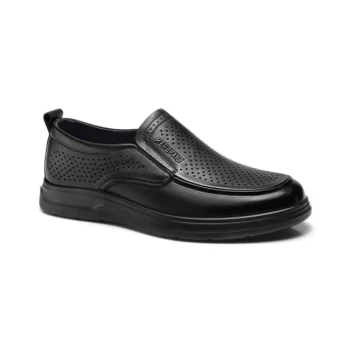
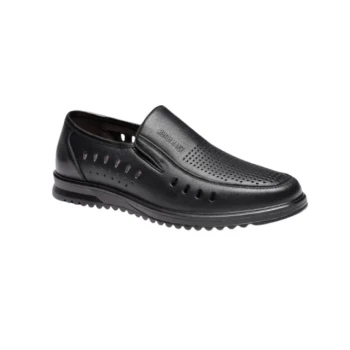
In short, slip-resistant shoes are a chef's most fundamental safety tool. They are specifically engineered to provide critical traction on floors that are inevitably slick with water, grease, and food spills, directly preventing the slips and falls that are among the most common and dangerous accidents in any professional kitchen.
The true value of slip-resistant shoes extends far beyond just preventing falls. They are a professional necessity that directly impacts a chef's physical endurance, mental focus, and the overall operational consistency of the kitchen.
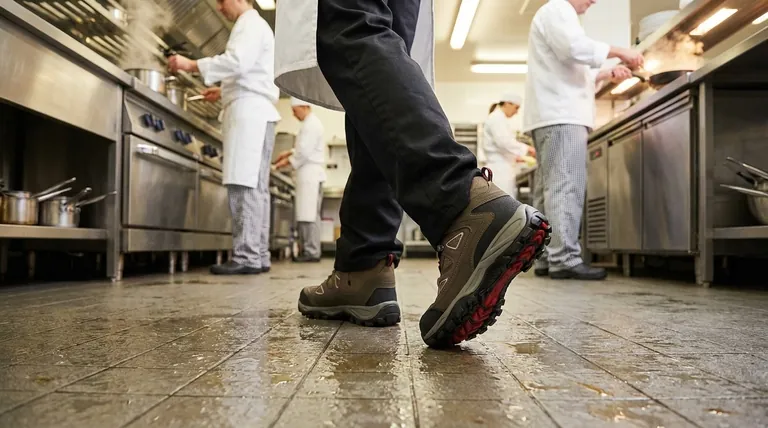
The Engineering Behind the Grip
To understand their importance, you must first understand that "slip-resistant" is not a marketing term but a specific design philosophy. These shoes are fundamentally different from standard footwear in three key areas.
The Outsole Tread Pattern
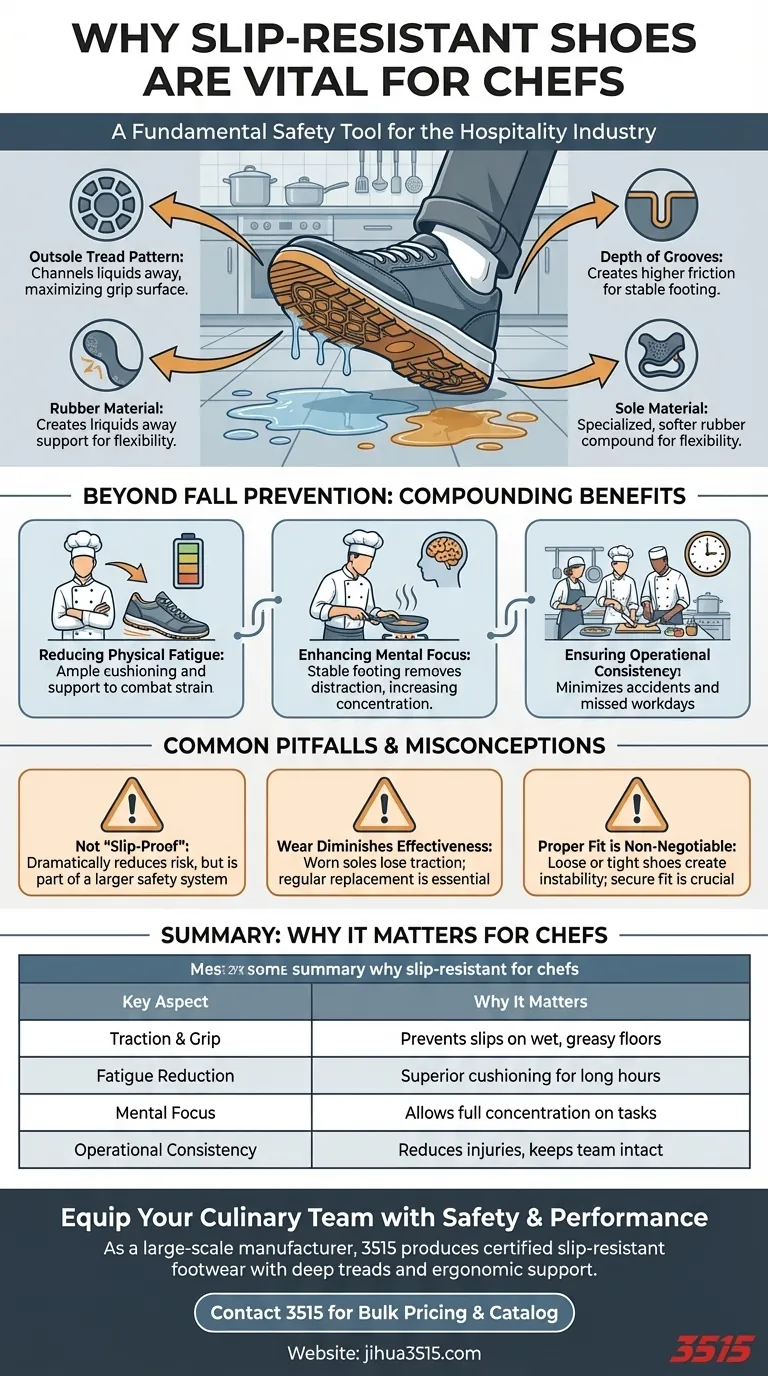
The bottom of the shoe features a unique tread pattern, often with circular or hexagonal shapes. This design is engineered to channel liquids like water and oil away from the sole's point of contact with the floor, maximizing the surface area that can grip.
The Depth of the Grooves
Unlike a standard sneaker, the grooves in the outsole are significantly deeper. These deep channels create higher friction and a more aggressive grip on slippery surfaces, ensuring a stable footing even when moving quickly.
The Sole Material
The outsole is made from specialized materials, typically a softer, high-grade rubber compound. This material is formulated to maintain its grip and flexibility across a range of temperatures and on surfaces contaminated with various kitchen liquids.
Beyond Fall Prevention: The Compounding Benefits
While preventing a catastrophic fall is the primary function, the day-to-day benefits are just as crucial for a chef's performance and well-being.
Reducing Physical Fatigue
Professional kitchens require standing and moving for extremely long hours. Quality slip-resistant shoes are built with ample cushioning, arch support, and shock absorption to combat the immense physical strain on the feet, legs, and lower back.
Enhancing Mental Focus
When a chef doesn't have to subconsciously worry about every step, their mental energy can be fully dedicated to their craft. This stability removes a significant distraction, allowing for greater concentration on culinary tasks, timing, and kitchen safety protocols.
Ensuring Operational Consistency
A slip-and-fall injury can take a chef out of commission for days or weeks, disrupting the entire kitchen's workflow. By minimizing these accidents, proper footwear helps reduce missed workdays and ensures the team remains consistent and efficient.
Common Pitfalls and Misconceptions
Investing in these shoes is critical, but it's important to approach them with the right understanding to maximize their protective value.
"Slip-Resistant" Does Not Mean "Slip-Proof"
These shoes dramatically reduce risk, but they do not eliminate it entirely. They are one part of a larger safety system that must include regular floor cleaning, spill management, and cautious movement.
Wear and Tear Diminishes Effectiveness
The specialized rubber soles and tread patterns wear down over time. A worn-out shoe will not provide the same level of traction as a new one. Regular inspection and timely replacement are essential for maintaining safety.
Proper Fit is Non-Negotiable
A shoe that is too loose or too tight can create instability and blisters, negating its safety benefits and adding discomfort. A secure, professional fit is just as important as the sole's design.
Making the Right Choice for Your Goal
Selecting the right footwear is an investment in both safety and career longevity.
- If your primary focus is personal safety and endurance: Prioritize a shoe with certified slip resistance combined with excellent arch support and cushioning to fight fatigue during long shifts.
- If your primary focus is managing a kitchen team: Implement a mandatory footwear policy that specifies high-quality, slip-resistant shoes to reduce workplace injuries, protect against liability, and enhance overall team productivity.
Ultimately, proper footwear is the foundation upon which a safe and efficient culinary professional stands.
Summary Table:
| Key Aspect | Why It Matters for Chefs |
|---|---|
| Traction & Grip | Prevents slips on wet, greasy floors—the #1 kitchen hazard. |
| Fatigue Reduction | Superior cushioning and support for long hours on your feet. |
| Mental Focus | Stable footing allows full concentration on culinary tasks. |
| Operational Consistency | Reduces injuries and missed workdays, keeping the team intact. |
Equip your culinary team with the safety and performance they deserve.
As a large-scale manufacturer, 3515 produces a comprehensive range of certified slip-resistant footwear for distributors, brand owners, and bulk clients. Our shoes are engineered with the deep treads, specialized rubber compounds, and ergonomic support that professional chefs rely on.
Protect your team, reduce liability, and enhance kitchen efficiency. Contact 3515 today for bulk pricing and catalog!
Visual Guide
Related Products
- Premium Suede Sport Safety Shoes for Wholesale & Bulk Orders
- Heavy-Duty Waterproof Nubuck Safety Boots Safety Shoes for Bulk Supply
- Advanced KPU Athletic Safety Shoe with Steel Toe Cap Anti-Slip Rotary Lacing System
- Durable High-Traction Canvas Sneakers Wholesale & Custom Manufacturing
- Durable Leather Moc Toe Work Boots for Wholesale & Custom Manufacturing
People Also Ask
- What industries have specific OSHA footwear requirements? Ensure Compliance & Protect Your Workforce
- What are the primary functions of professional safety shoes? Maximize Safety in Water Supply Confined Spaces
- What role do specialized safety shoes play in preventing falls? Engineering Stability in Industrial Environments
- How does professional industrial cleaning equipment maintain the performance stability of safety shoes? Pro Maintenance
- Why must safety training be synchronized with the provision of physical safety shoes? Achieve Optimal Workplace Protection