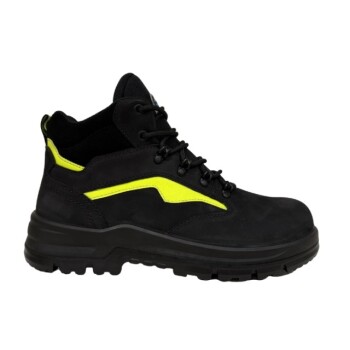
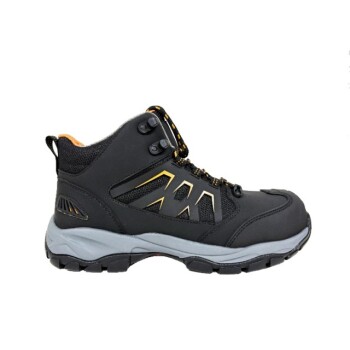
Mandatory safety protocols dictate the use of safety shoes with anti-slip outsoles and steel toes in stone cleaning to counter two specific, immediate threats: loss of traction and impact trauma. During processes like non-pressure washing, water accumulation creates treacherous footing, while the cleaning action often dislodges heavy stone fragments. These features serve as the primary defense against slip-and-fall accidents and crushing injuries in unpredictable restoration environments.
In historical restoration, the environment changes rapidly from a dry workspace to a slippery, debris-laden hazard zone. Specialized footwear is not merely a compliance check; it is a critical engineering control designed to maintain worker stability and prevent debilitating fractures caused by the inherent instability of aging stone.
Mitigating Environmental Hazards
Combating Loss of Traction
Restoration cleaning, particularly non-pressure washing and marble cleaning, introduces significant volumes of water to the worksite. This water pools on surfaces that may already be smooth or degraded, creating a high-risk hydroplaning effect.
Anti-slip outsoles are essential to cut through this water layer and grip the substrate. Without this specific traction control, workers face an immediate risk of slipping, which can lead to severe injury given the hard nature of the surrounding materials.
Defending Against Falling Debris
Historical buildings are often structurally comprised of heavy, segmented materials. During the cleaning process, loosened stone fragments weighing several kilograms can detach and fall unexpectedly.
Steel toes provide a hardened shell over the most vulnerable part of the foot. This barrier absorbs the kinetic energy of falling masonry, preventing crushed bones and ensuring personnel remain mobile and safe despite the unstable nature of the structure.
Addressing Hidden Site Risks
Protection from Sharp Objects
While the primary focus is on cleaning, restoration sites are rarely sterile; they are frequently littered with sharp debris. This includes ancient nails, metal fragments, and razor-sharp stone shards generated during structural demolition or prior repairs.
To address this, high-performance boots often include puncture-resistant midsoles made of materials like Kevlar or steel. These layers prevent dangerous objects from piercing the sole and penetrating the foot, a vital protection during site cleanup phases.
Heavy Material Handling
Beyond the cleaning phase, the restoration workflow involves the finishing and storage of natural stone. This requires moving heavy slabs and equipment.
Reinforced steel toe caps offer critical anti-smash protection in these scenarios. They ensure that an accidental drop of a heavy slab during transport results in a deflected impact rather than a career-ending crushing injury.
Understanding the Trade-offs
Weight vs. Fatigue
While steel toes and puncture-resistant midsoles offer maximum protection, they add significant weight to the footwear. Over long shifts, this can lead to increased worker fatigue and reduced agility, which is a safety factor in itself.
Tactile Sensitivity
Thick, anti-slip outsoles and puncture-resistant layers isolate the foot from the ground. In complex climbing or scaffolding scenarios, this can reduce proprioception (the ability to feel the surface), requiring workers to be more visually attentive to their footing.
Making the Right Choice for Your Goal
Selecting the correct footwear depends on the specific phase of the restoration project you are undertaking.
- If your primary focus is Water-Based Cleaning: Prioritize shoes with advanced anti-slip tread patterns designed to channel water away from the contact patch.
- If your primary focus is Demolition or Cleanup: Ensure the footwear includes a certified puncture-resistant midsole (steel or Kevlar) to defend against hidden sharp debris.
- If your primary focus is Material Handling: Verify the impact rating of the steel toe to ensure it can withstand the specific weight classes of the stone slabs being moved.
Equipping your team with the right protective gear transforms unpredictable restoration variables into manageable risks.
Summary Table:
| Feature | Primary Function | Restoration Hazard Addressed |
|---|---|---|
| Anti-Slip Outsole | Enhances traction on wet surfaces | Water pooling and hydroplaning during washing |
| Steel Toe Cap | Absorbs kinetic energy from impacts | Falling stone fragments and masonry debris |
| Puncture-Resistant Midsole | Prevents sole penetration | Sharp ancient nails and stone shards |
| Reinforced Construction | Provides anti-smash protection | Heavy material handling and slab transport |
Secure Your Restoration Workforce with 3515 Footwear
Historical restoration demands uncompromising safety standards. As a large-scale manufacturer serving distributors and brand owners, 3515 offers comprehensive production capabilities for all footwear types, anchored by our flagship Safety Shoes series. Our footwear is engineered to withstand the unique rigors of stone cleaning, providing the anti-slip and impact-resistant performance your team needs.
Our extensive portfolio covers work and tactical boots, outdoor shoes, training shoes, and sneakers, as well as Dress & Formal shoes to meet diverse bulk requirements. Partner with a manufacturer that understands the balance between protection and durability.
Contact 3515 Today for Bulk Orders and Custom Specifications
References
- Tuğçe Gümürçinler, Özge Akboğa Kale. Evaluation of Occupational Safety in Restoration Projects of Historic Buildings: Risk Analysis with Selected Projects. DOI: 10.3390/buildings13123088
This article is also based on technical information from 3515 Knowledge Base .
Related Products
- Advanced KPU Athletic Safety Shoe with Steel Toe Cap Anti-Slip Rotary Lacing System
- Premium Suede Sport Safety Shoes for Wholesale & Bulk Orders
- Wholesale Anti-Smash & Puncture-Proof Safety Shoes Custom Manufacturing for Brands
- Heavy-Duty Waterproof Nubuck Safety Boots Safety Shoes for Bulk Supply
- Wholesale Premium Waterproof Nubuck Safety Shoes Boots
People Also Ask
- What are the key differences between steel toe and composite toe caps? Choose the Right Safety for Your Job
- What impact do steel toe caps have on toe skin health? Prevent Friction and Pressure in Your Safety Shoes
- What are the primary protective functions of safety shoes with steel toes in the automotive repair industry?
- What type of safety shoe is recommended for workers exposed to heavy machinery? Steel Toe Boots for Ultimate Protection
- How does defining specific friction interface models in FEA assist in predicting safety shoe toe cap failure modes?