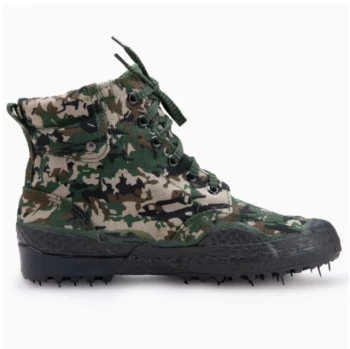
Specialized footwear functions as the primary interface between you and the environment. Professional hiking boots and athletic shoes are considered essential because they provide critical traction, ankle support, and physical protection necessary for navigating uneven terrain. By securing your footing and reducing the risk of slips and falls, this gear significantly enhances both safety and user confidence in complex environments.
Core Insight: While casual shoes prioritize aesthetics or general cushioning, professional outdoor footwear is engineered to optimize proprioception and stability. By delivering specific tactile feedback and structural support, these tools prevent injury and allow adventurers to focus on the experience rather than terrain-induced strain.
The Mechanics of Stability and Traction
Engineering for Complex Surfaces
Standard athletic shoes often fail on challenging surfaces like mud, slippery rocks, or loose gravel. Professional outdoor shoes are engineered with specialized grip patterns and sole systems designed to bite into these specific textures. This mechanical traction is the first line of defense against falls.
Enhancing Proprioception
Safe navigation relies heavily on "feeling" the terrain. High-quality footwear provides the necessary tactile feedback (proprioception) that allows your body to sense changes in the ground. This sensory input enables immediate micro-adjustments in balance, ensuring stability on mountain paths or climbing areas.
Protection and Structural Support
Ankle Stabilization
Uneven terrain poses a constant threat of twisting or rolling an ankle. "High" and "Mid" configuration boots provide rigid structural support to lock the ankle in place. This is particularly vital on medium to high-difficulty trails where footing is unpredictable.
Defensive Construction
Outdoor environments are abrasive and unforgiving. Specialized footwear features reinforced toe caps and wear-resistant materials. These durable components protect the feet from impact against rocks, roots, and debris, ensuring the equipment withstands rigorous use.
Impact on Endurance and Focus
Reducing Musculoskeletal Fatigue
Improper footwear forces the body to mechanically overcompensate for a lack of balance. Specialized shoes absorb impact and align the foot, which effectively minimizes foot fatigue and reduces the risk of long-term musculoskeletal injuries.
Freeing Mental Bandwidth
When you trust your footwear, you stop micromanaging every step. This physical confidence allows participants to shift their focus away from the ground. You can instead concentrate on critical tasks like navigation or enjoying social interaction with your group.
Understanding the Trade-offs
Weight vs. Agility
There is a direct trade-off between protection and weight. For demanding winter itineraries or aggressive mountains, a heavier, robust boot is necessary for safety. However, for warm climates or less tiring walks, these boots can be overkill; a lighter, breathable shoe is often the superior choice to prevent overheating and fatigue.
Rigidity vs. Flexibility
The height of the shoe dictates its function but limits its versatility.
- High Cuts: Essential for difficult trails, but can feel restrictive.
- Mid Cuts: A balance for easier routes.
- Low (Bassa) Cuts: Ideal for simple nature walks or city use, but they leave the ankle exposed and offer less leverage on steep inclines.
Selecting the Right Tool for the Terrain
Matching your footwear to your specific itinerary is just as important as the quality of the shoe itself.
- If your primary focus is technical or winter terrain: Prioritize a high-cut, heavy, and robust boot to maximize ankle support and thermal protection.
- If your primary focus is speed and warm weather: Choose a lighter, breathable low-cut shoe to reduce fatigue and increase ventilation.
- If your primary focus is mud or water protection: Opt for Wellington boots, which offer specialized waterproofing and durability for farming or wet festivals.
A great outdoor journey starts with the right shoes, ensuring performance, safety, and comfort govern your adventure.
Summary Table:
| Feature | Hiking Boots (High/Mid) | Athletic/Trail Shoes | Benefits |
|---|---|---|---|
| Ankle Support | High (Rigid) | Low to Medium | Prevents sprains and stabilizes on uneven rocks |
| Traction | Deep Lugs (Aggressive) | Multi-directional Grips | Ensures mechanical bite on mud, gravel, and slopes |
| Protection | Reinforced Toe/Heel | Lightweight Overlays | Shields feet from impacts against rocks and roots |
| Best Use | Technical & Winter Trails | Speed Hiking & Warm Weather | Matches gear to terrain for maximum efficiency |
As a large-scale manufacturer serving distributors and brand owners, 3515 offers comprehensive production capabilities for all footwear types. Our flagship Safety Shoes series is anchored by rigorous quality standards, and our extensive portfolio covers work and tactical boots, outdoor shoes, training shoes, and sneakers, as well as Dress & Formal shoes to meet diverse bulk requirements.
Partner with us to provide your customers with professional-grade stability and durability. Contact us today to discuss your bulk manufacturing needs and discover the value we bring to your brand.
References
- Lauren J. Lieberman, Kelsey Williams. “You Feel a Sense of Accomplishment”: Outdoor Adventure Experiences of Youths with Visual Impairments during a One-Week Sports Camp. DOI: 10.3390/ijerph20085584
This article is also based on technical information from 3515 Knowledge Base .
Related Products
- Durable Rubber Sole Outdoor Shoes Wholesale & Custom Manufacturing
- Wholesale High-Traction Camo Boots - Custom Manufacturer for Brands
- Wholesale Waterproof Tactical Boots Custom Suede & High-Traction Soles
- Durable Spiked Camouflage Boots Wholesale & Factory Production
- Wholesale Lightweight Tactical Boots Custom Manufacturer for Desert & Combat Use
People Also Ask
- What is the function of the sole in outdoor shoes? Find the Perfect Grip and Support
- What role do outdoor shoes and sneakers play in navigating external terrains? Engineered Stability for Every Surface
- How is AI utilized in the design of outdoor and safety footwear? Harnessing Big Data for Market-Driven Shoe Innovation
- Why is durability important when selecting outdoor shoes? A Guide to Safety & Long-Term Value
- What are the key components of outdoor shoes that affect comfort and sturdiness? A Guide to Durable, High-Performance Footwear