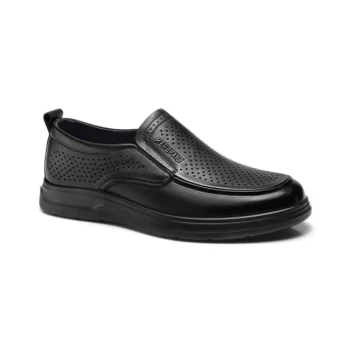
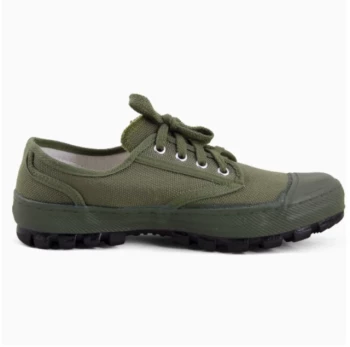
At their core, non-slip shoes are durable because the features required to create superior grip and stability are inherently rugged. The robust materials, deep tread patterns, and sturdy construction necessary to prevent slips in hazardous environments are the very same qualities that allow the shoes to withstand significant wear and tear over time.
The durability of a non-slip shoe is not an accidental feature; it is a direct consequence of its primary safety-oriented design. The engineering required for reliable traction results in a shoe that is fundamentally tougher and longer-lasting than standard footwear.
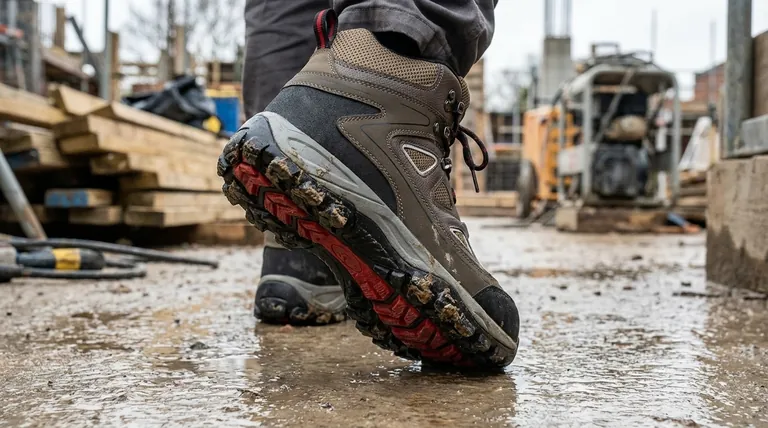
The Anatomy of a Durable Non-Slip Shoe
A shoe's ability to last is determined by its materials and construction. In non-slip footwear, every component is chosen first for safety and performance, which directly contributes to its longevity.
The Foundation: Outsole Material and Design
The outsole is where the shoe meets the ground, and it's the most critical component for both grip and durability.
Professionally made non-slip shoes typically use high-grade rubber or synthetic rubber compounds for their soles. These materials are chosen for their high coefficient of friction and their natural resistance to abrasion.
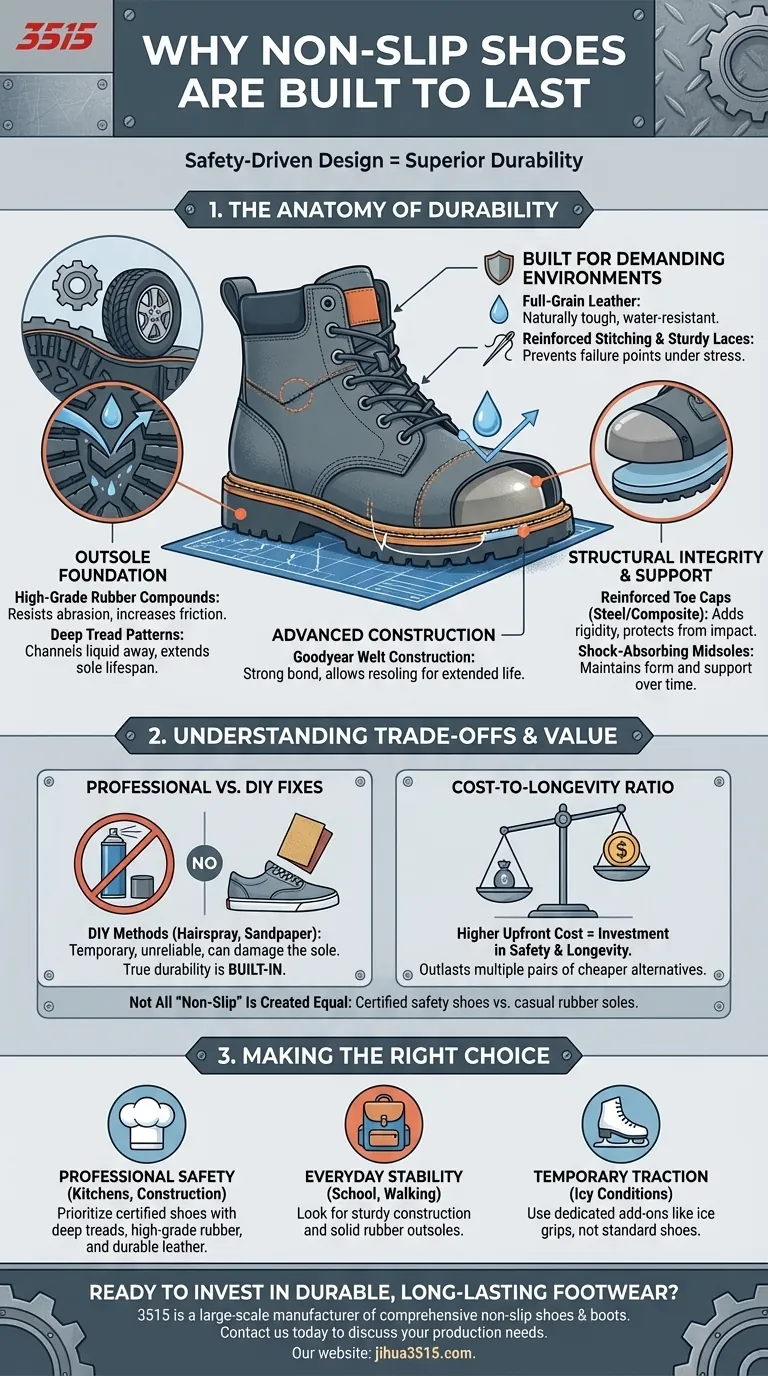
They also feature deep, intricate tread patterns. These channels are designed to divert liquids like water and grease away from the sole's surface, ensuring maximum contact and grip. This deep tread also means there is simply more material to wear down, extending the sole's lifespan.
Built for Demanding Environments
The upper part of the shoe must protect the foot and hold up to the environment it's used in.
Many durable safety shoes are made from tough materials like full-grain leather, which naturally resists abrasions and water.
Other key features include reinforced stitching and sturdy laces, which prevent the shoe from falling apart at common failure points under stress.
Structural Integrity and Support
A shoe that collapses or loses its shape is not a durable shoe.
Features like reinforced toe caps (often made of steel or composite materials) not only protect from impact but also add significant structural rigidity to the front of the shoe.
Similarly, well-designed shock-absorbing midsoles provide stability and support, which helps the entire shoe maintain its form and function during long periods of use.
Advanced Construction Methods
The way a shoe is put together is a crucial factor in its durability.
Some high-end work boots use a Goodyear welt construction. This is a time-tested method where the upper is stitched to the sole, creating an exceptionally strong bond. A key benefit is that it allows the shoe to be resoled by a cobbler, massively extending its usable life.
Understanding the Trade-offs and Misconceptions
While purpose-built non-slip shoes are durable, it's important to distinguish them from temporary solutions or less robust options.
Professional Design vs. DIY Fixes
You may see suggestions for making regular shoes non-slip using hairspray, sandpaper, or puff paint. These are temporary, unreliable fixes that do nothing to enhance a shoe's structural durability.
True non-slip footwear has durability built into its core design; these DIY methods can actually damage the sole and shorten the shoe's lifespan.
The Cost-to-Longevity Ratio
High-quality non-slip shoes often have a higher upfront cost than standard fashion or casual footwear.
However, this cost is an investment in both safety and longevity. Their robust construction means they often outlast multiple pairs of cheaper shoes, making them more affordable in the long run, especially for work or school uniforms.
Not All "Non-Slip" Is Created Equal
The term "non-slip" can be used broadly. A casual sneaker with a basic rubber sole might be marketed as non-slip but will lack the durability of a certified safety shoe designed for industrial environments.
True durability comes from footwear specifically engineered for occupational hazards, with features designed to withstand daily, rigorous use.
Making the Right Choice for Your Needs
Selecting the right shoe depends entirely on its intended purpose.
- If your primary focus is professional safety (e.g., kitchens, construction): Prioritize certified safety shoes with features like deep treads, high-grade rubber soles, and durable upper materials like leather.
- If your primary focus is everyday stability (e.g., school shoes, daily walking): Look for sturdy construction, solid rubber outsoles, and well-defined tread patterns that signal a higher quality build.
- If your primary focus is temporary traction for specific conditions (e.g., icy sidewalks): Use dedicated add-ons like ice grips rather than expecting a standard shoe to provide both safety and durability in extreme conditions.
Ultimately, choosing a well-constructed non-slip shoe is an investment in footwear that provides both reliable protection and lasting value.
Summary Table:
| Key Feature | Contribution to Durability |
|---|---|
| High-Grade Rubber Outsoles | Resists abrasion and provides deep treads for extended wear. |
| Full-Grain Leather Uppers | Naturally withstands abrasions, water, and daily stress. |
| Reinforced Toe Caps & Stitching | Adds structural rigidity and prevents failure at stress points. |
| Goodyear Welt Construction | Allows resoling, dramatically extending the shoe's lifespan. |
Ready to invest in durable, long-lasting footwear? As a large-scale manufacturer, 3515 produces a comprehensive range of non-slip shoes and boots for distributors, brand owners, and bulk clients. Our professional-grade footwear is engineered with the robust materials and construction detailed above, ensuring safety and longevity for your customers. Contact us today to discuss your production needs and discover how we can deliver high-quality, durable footwear solutions for your market.
Visual Guide
Related Products
- Advanced KPU Athletic Safety Shoe with Steel Toe Cap Anti-Slip Rotary Lacing System
- Premium Suede Sport Safety Shoes for Wholesale & Bulk Orders
- Durable High-Traction Canvas Sneakers Wholesale & Custom Manufacturing
- Heavy-Duty Waterproof Nubuck Safety Boots Safety Shoes for Bulk Supply
- Durable Goodyear Welt Leather Work Boots for Wholesale & Private Label
People Also Ask
- What are the key differences between steel toe and composite toe caps? Choose the Right Safety for Your Job
- What impact do steel toe caps have on toe skin health? Prevent Friction and Pressure in Your Safety Shoes
- What are the primary protective functions of safety shoes with steel toes in the automotive repair industry?
- What type of safety shoe is recommended for workers exposed to heavy machinery? Steel Toe Boots for Ultimate Protection
- How does defining specific friction interface models in FEA assist in predicting safety shoe toe cap failure modes?