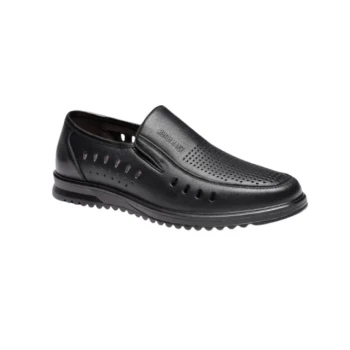
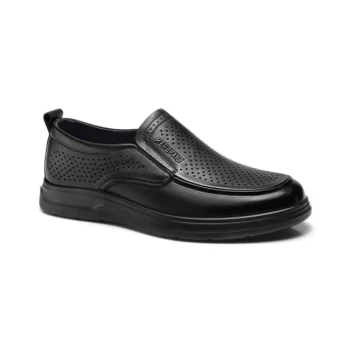
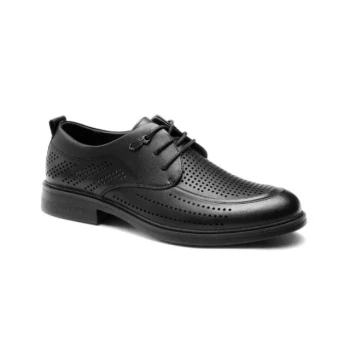
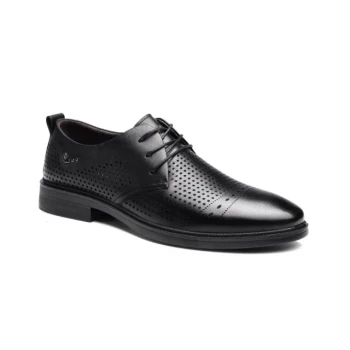
Managing heat and moisture is the critical factor. In tropical, high-humidity environments, breathable sneakers or lightweight work shoes are necessary to prevent perspiration from becoming trapped against the skin during high-intensity walking. By facilitating rapid evaporation and heat dissipation, these specialized shoes maintain dry feet and significantly reduce the physical stress of long-distance commuting.
High-intensity walking in humid climates creates a damaging micro-environment of heat and moisture inside standard shoes. Breathable footwear is essential because it actively exports this buildup, preventing friction-based injuries and reducing overall fatigue.
The Physiology of Hot-Weather Commuting
The Humidity Trap
In tropical climates, high external humidity already limits the body's ability to cool itself. When you add high-intensity urban walking, your feet generate significant heat and sweat. Without ventilation, standard shoes trap this perspiration, turning the shoe interior into a sauna.
Protecting Skin Integrity
Moisture is the enemy of skin health during long walks. When feet remain damp due to trapped sweat, the skin softens (maceration) and becomes highly susceptible to damage. Breathable shoes prevent this buildup, directly lowering the risk of blisters and other skin issues caused by damp friction.
The Mechanics of Breathable Design
Facilitating Heat Dissipation
Breathable mesh allows for constant airflow. This ventilation facilitates a cycle where heat is exported from the inside of the shoe rather than accumulating. This thermal regulation is vital for maintaining comfort over long distances.
Active Moisture Evaporation
Materials designed for these climates often utilize moisture-wicking properties. These fabrics pull liquid away from the skin to the outer layer of the shoe where it can evaporate. This mechanism ensures the foot remains dry even during high-volume walking tasks.
Reducing Physical Fatigue
Wet shoes are heavy shoes. By ensuring moisture evaporates rather than soaking into the sock and shoe lining, lightweight footwear remains light throughout the commute. This reduces the energy expenditure required for every step, minimizing leg fatigue.
Understanding the Trade-offs
Durability vs. Ventilation
While mesh materials offer superior comfort, they often lack the rugged durability of solid leather or heavy synthetics. In harsh urban environments with debris, breathable materials may be more prone to snagging or tearing over time.
Weather Protection Limitations
The channels that let heat out also let water in. In a sudden tropical downpour, breathable shoes offer little to no protection against external water. Your feet will dry faster afterwards, but they will get wet immediately upon contact with rain or puddles.
Making the Right Choice for Your Goal
Selecting the right footwear requires balancing ventilation with your specific environmental constraints.
- If your primary focus is preventing blisters and overheating: Prioritize athletic sneakers with full open-mesh uppers to maximize airflow and moisture export.
- If your primary focus is professional appearance with comfort: Look for lightweight work shoes that incorporate hidden vents or moisture-wicking linings without the athletic aesthetic.
Investing in breathability is the single most effective way to ensure your daily commute remains sustainable and comfortable.
Summary Table:
| Feature | Breathable/Lightweight Shoes | Standard Closed Footwear |
|---|---|---|
| Thermal Regulation | High - Active heat dissipation | Low - Heat is trapped internally |
| Moisture Management | Rapid evaporation & wicking | High perspiration buildup (Sauna effect) |
| Skin Health | Reduces blisters and maceration | High risk of friction-based injuries |
| Weight Factor | Remains light throughout the day | Increases as sweat/moisture accumulates |
| Best Use Case | Long-distance tropical walking | Low-intensity or climate-controlled use |
Partner with 3515 for High-Performance Footwear Solutions
As a large-scale manufacturer serving distributors and brand owners, 3515 offers comprehensive production capabilities for all footwear types, anchored by our flagship Safety Shoes series. Our extensive portfolio covers work and tactical boots, outdoor shoes, training shoes, and sneakers, as well as Dress & Formal shoes to meet diverse bulk requirements.
Whether you need breathable urban sneakers or lightweight work shoes optimized for tropical climates, we provide the manufacturing expertise and scale to bring your designs to life. Contact us today to discuss your bulk production needs and discover how our advanced materials can enhance your product line's performance.
References
- Anne Meneley. Walking and Perceptions of Danger in Various Cities. DOI: 10.1111/ciso.70010
This article is also based on technical information from 3515 Knowledge Base .
Related Products
- Lightweight Breathable Sneakers with Wet-Traction Grip for Wholesale & Private Label
- Wholesale Breathable Athletic Sneakers - Custom Lightweight Cushioned Footwear Manufacturer
- Wholesale Lightweight Cushioned Athletic Sneakers for Custom Bulk Production
- Wholesale Durable & Breathable Training Shoes for Custom Brands
- Lightweight Breathable Training Shoes for Wholesale & Custom OEM Manufacturing
People Also Ask
- What role do lightweight training shoes play in urban traffic? Boost Agility and Reaction for Safer City Navigation
- How do lightweight shoes provide support? The Science of Efficient Cushioning & Stability
- How do lightweight shoes improve breathability? Discover the Science of Cool, Dry Feet
- How do lightweight shoes contribute to healthier feet? Reduce Fatigue & Prevent Foot Problems
- What are the style advantages of lightweight shoes? Sleek, Versatile & Modern Comfort