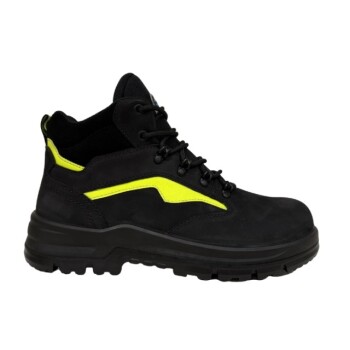
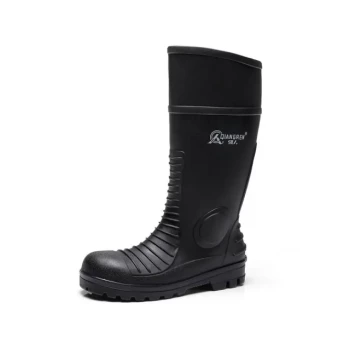
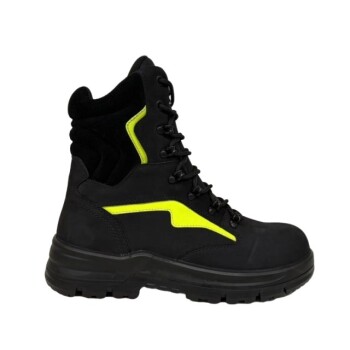
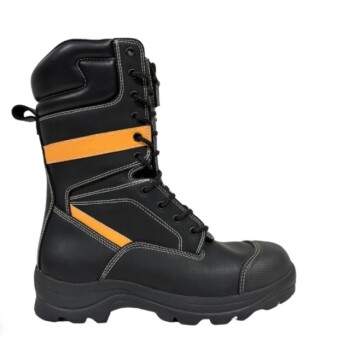
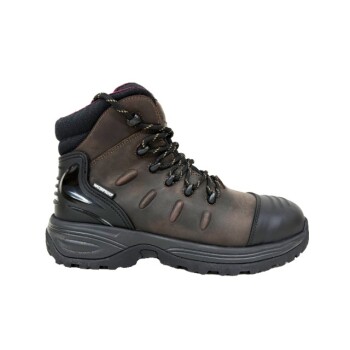
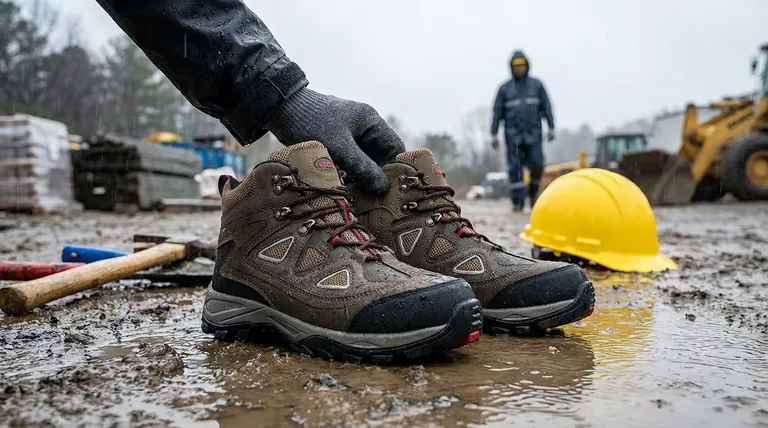
Ultimately, you should wear waterproof work boots if your job consistently exposes you to water, mud, snow, or other liquids. This is a non-negotiable requirement for professionals like linesmen, plumbers, outdoor maintenance crews, and mechanics who cannot let wet conditions compromise their safety or comfort.
The decision to wear waterproof boots isn't just about a job title; it's about the environment. Choosing them is a proactive measure to protect your feet from discomfort and your boots from the accelerated deterioration that moisture causes.
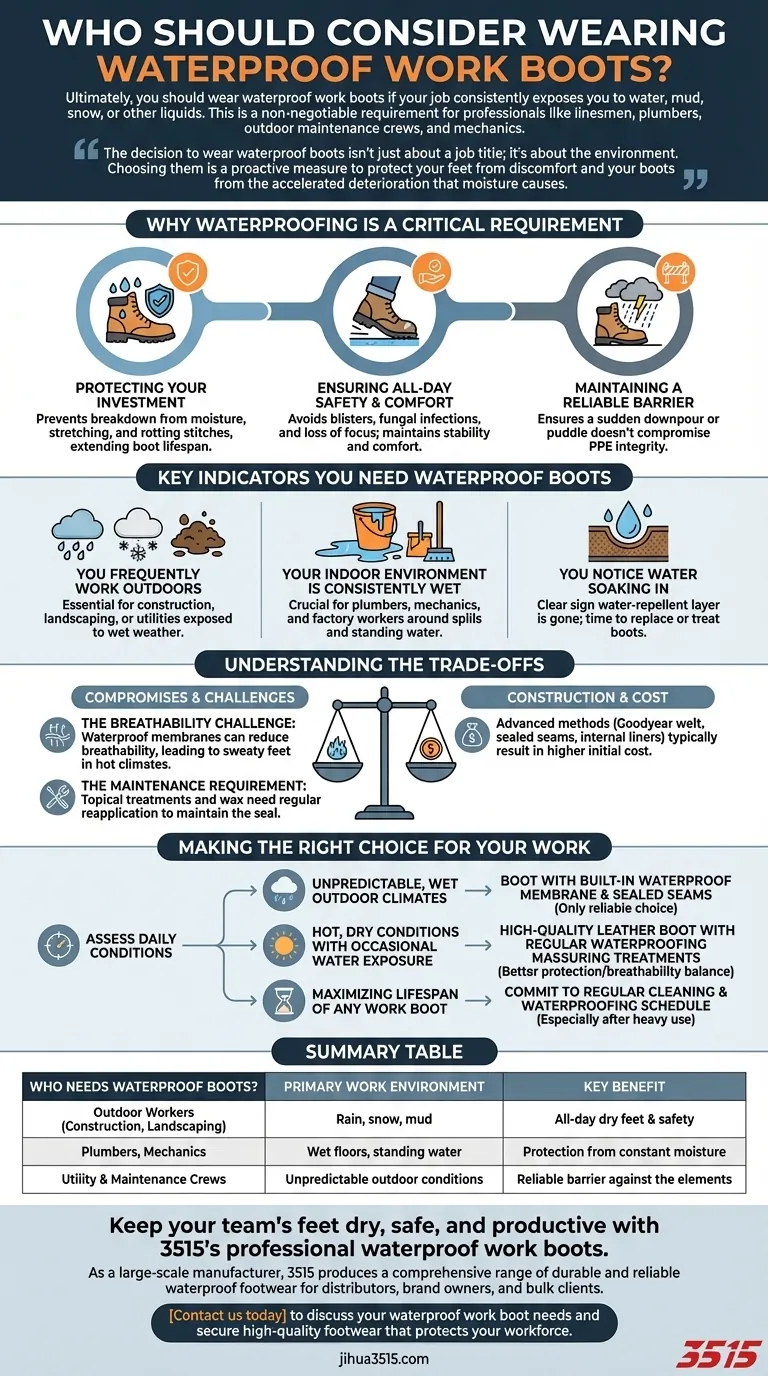
Why Waterproofing is a Critical Requirement
A boot's ability to repel water is far more than a simple comfort feature. It's a foundational element of its performance and longevity, directly impacting your daily work experience.
Protecting Your Investment
Constant exposure to moisture breaks down leather and other boot materials. Water-logged boots can stretch, lose their supportive shape, and suffer from rotting stitches, drastically shortening their effective lifespan. Waterproofing acts as the first and most critical line of defense.
Ensuring All-Day Safety and Comfort
Wet feet are more than just an annoyance; they can lead to blisters, fungal infections, and a dangerous loss of focus on the job. Dry feet are essential for maintaining stability and comfort through a long and demanding workday.
Maintaining a Reliable Barrier
For those working outdoors, conditions can change without warning. A waterproof boot ensures that a sudden downpour or a step into a puddle doesn't derail your day or compromise the integrity of your personal protective equipment.
Key Indicators You Need Waterproof Boots
If you recognize your workday in any of the following scenarios, waterproof boots should be considered standard issue.
You Frequently Work Outdoors
This is the most obvious indicator. If your job in construction, landscaping, or utilities exposes you to rain, snow, or muddy ground, a waterproof boot is essential. It's wise to treat and prepare your boots in late summer or early fall before the wet season begins.
Your Indoor Environment is Consistently Wet
Plumbers, mechanics, and some factory workers spend their days on wet floors or around standing water. In these roles, protection from spills, puddles, and constant moisture is just as important as it is outdoors.
You Notice Water Soaking In
Pay attention to your current boots. If you see that water no longer beads up and rolls off the surface, it's a clear sign that any existing water-repellent layer has worn off. This is the time to either replace the boots or apply a new waterproofing treatment.
Understanding the Trade-offs
While essential for many, waterproof construction isn't without its compromises. Understanding them ensures you choose the right tool for the job.
The Breathability Challenge
The primary trade-off is breathability. A waterproof membrane or liner that blocks water from getting in can also make it harder for sweat and heat to get out. In consistently hot and dry climates, a highly waterproof boot can lead to sweaty, uncomfortable feet.
The Maintenance Requirement
No waterproofing is permanent. Topical treatments like waxes and sprays need to be reapplied periodically to maintain the seal, especially around weak points like seams and welting. A "waterproof" boot still requires your attention.
Construction and Cost
Truly waterproof boots often feature specific construction methods, like a Goodyear welt or direct attachment, combined with sealed seams and an internal waterproof liner. This advanced construction typically results in a higher initial cost.
Making the Right Choice for Your Work
Use your primary work environment as your guide to select the appropriate level of protection.
- If your primary focus is working outdoors in unpredictable, wet climates: A boot with a built-in waterproof membrane and sealed seams is the only reliable choice.
- If your primary focus is working in hot, dry conditions with only occasional water exposure: A high-quality leather boot that you treat regularly with waterproofing waxes or sprays may provide a better balance of protection and breathability.
- If your primary focus is maximizing the lifespan of any work boot: Commit to a regular cleaning and waterproofing schedule, especially after the boots get exceptionally dirty or soaked.
Choosing the right boot means honestly assessing your daily conditions to keep your feet protected and your focus on the task at hand.
Summary Table:
| Who Needs Waterproof Boots? | Primary Work Environment | Key Benefit |
|---|---|---|
| Outdoor Workers (Construction, Landscaping) | Rain, snow, mud | All-day dry feet & safety |
| Plumbers, Mechanics | Wet floors, standing water | Protection from constant moisture |
| Utility & Maintenance Crews | Unpredictable outdoor conditions | Reliable barrier against the elements |
Keep your team's feet dry, safe, and productive with 3515's professional waterproof work boots.
As a large-scale manufacturer, 3515 produces a comprehensive range of durable and reliable waterproof footwear for distributors, brand owners, and bulk clients. Our production capabilities encompass all types of safety boots and shoes designed to withstand the toughest wet conditions.
Contact us today to discuss your waterproof work boot needs and secure high-quality footwear that protects your workforce.
Visual Guide
Related Products
- Wholesale Premium Waterproof Nubuck Safety Shoes Boots
- Wholesale Heavy-Duty Waterproof Steel Toe Work Boots OEM Manufacturer
- Premium Waterproof Nubuck Safety Boots for Wholesale
- Premium Wholesale Waterproof Safety Boots High Performance Protection for Industrial Markets
- Factory Direct Wholesale Rain Boots Durable Waterproof & Fully Customizable
People Also Ask
- Why are waterproof safety boots recommended for certain work environments? Essential Protection for Wet & Hazardous Jobs
- What materials are commonly used in waterproof boots? The Complete Guide to Durable, Breathable Protection
- What are the drawbacks of waterproof boots? The Breathability vs. Protection Trade-Off
- What is the advantage of one-piece construction in waterproof boots? Unbeatable Seamless Protection
- What is the difference between waterproof, water-resistant, and water-repellent boots? Choose the Right Protection for Your Feet