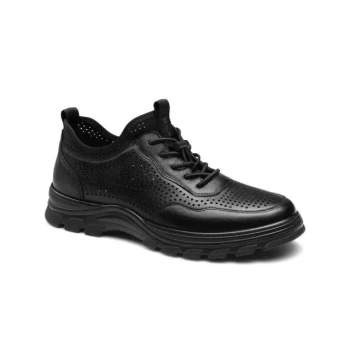
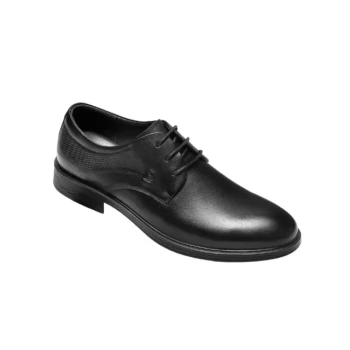
In short, clothing that is visibly worn, distressed, or designed for athletic or purely casual activities is not considered business casual. This category most commonly includes items like worn or ripped jeans, canvas sneakers, athletic shoes, t-shirts, hoodies, and flip-flops. The goal is to maintain a polished and professional appearance that is a clear step above everyday casual wear.
The line between casual and business casual is defined by polish and intent. Business casual avoids anything that looks like it belongs at the gym, on the couch, or doing yard work, ensuring you project a professional and put-together image.

The Guiding Principle: Intent and Polish
The core idea behind business casual is to look professional without the formality of a full suit. The items you should avoid are typically those that signal leisure, athletic activity, or a lack of attention to detail.
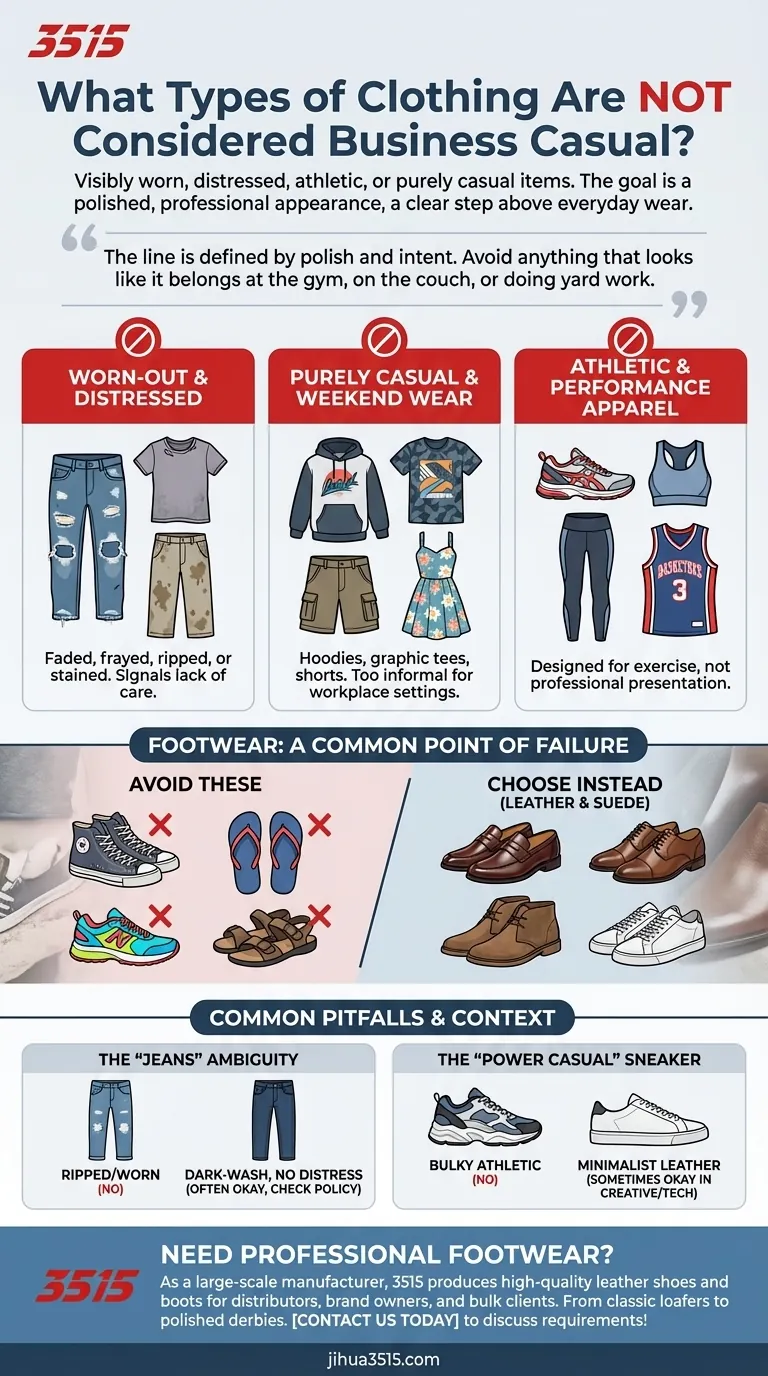
Worn-Out and Distressed Items
Any piece of clothing that is faded, frayed, ripped, or stained is inappropriate. This communicates a lack of care and professionalism.
This is why worn jeans with visible signs of distress are universally excluded from business casual dress codes.
Purely Casual and Weekend Wear
These are clothes you would typically wear for social errands or relaxing at home. Their informal nature can undermine a professional image in the workplace.
Items in this category include graphic t-shirts, hoodies, shorts, and sundresses. While comfortable, they don't align with the "business" aspect of the dress code.
Athletic and Performance Apparel
Clothing designed specifically for sports or exercise is a clear boundary. Its function is performance, not professional presentation.
This includes running shoes, athletic sneakers, leggings (when worn as pants), and sports jerseys.
Footwear: A Common Point of Failure
Shoes are often what makes or breaks a business casual outfit. The wrong footwear can instantly make an otherwise appropriate outfit look too casual.
Shoes to Avoid
The most common mistakes are canvas sneakers, flip-flops, athletic running shoes, and often, open-toed sandals in more traditional environments.
These styles are explicitly designed for comfort and leisure, lacking the structure and polish required for a professional setting.
What Works Instead
The right shoes anchor your look in professionalism. As a rule, opt for shoes made of leather or suede.
Good examples include loafers, oxfords, derbies, chukka boots, and clean, minimalist leather sneakers (in more modern offices). These options are structured but less formal than polished dress shoes.
Common Pitfalls and Context
Business casual is not a universal standard; it exists on a spectrum that can vary dramatically between industries and individual companies.
The Ambiguity of "Jeans"
While worn or light-wash jeans are out, many modern offices now accept dark-wash, well-fitting jeans with no distressing.
When in doubt, observe what management wears. If they don't wear jeans, it's safest for you to avoid them as well.
The Rise of the "Power Casual" Sneaker
The rule against sneakers is softening, but the type is critical. Bulky, colorful athletic sneakers are still out.
However, minimalist, low-profile sneakers in a single color (like white or black) and made from a premium material like leather are often acceptable in creative or tech fields.
Making the Right Choice for Your Goal
- If your primary focus is to be safe and always appropriate: Err on the more formal side by choosing chinos or trousers over jeans and always wearing leather shoes like loafers.
- If your primary focus is fitting into a modern, relaxed office: Observe what your colleagues and managers wear, but start with a safe baseline of dark jeans, a button-down shirt, and clean leather sneakers.
- If you are attending an external business event: Dress one level more formally than your typical office attire to project a polished and respectful image to clients or partners.
Ultimately, business casual is about dressing with intention to communicate respect for your work, your colleagues, and yourself.
Summary Table:
| Clothing Category | Items to Avoid | Why It's Not Business Casual |
|---|---|---|
| Worn/Distressed Items | Ripped jeans, faded t-shirts | Signals lack of care and polish |
| Purely Casual Wear | Hoodies, graphic tees, shorts | Too informal for professional settings |
| Athletic Apparel | Running shoes, leggings, sports jerseys | Designed for exercise, not work |
| Inappropriate Footwear | Canvas sneakers, flip-flops | Lacks structure and professionalism |
Need professional footwear that meets business casual standards? As a large-scale manufacturer, 3515 produces a comprehensive range of high-quality leather shoes and boots perfect for distributors, brand owners, and bulk clients. From classic loafers to polished derbies, our production capabilities ensure you get durable, professional footwear tailored to your needs. Contact us today to discuss your requirements!
Visual Guide
Related Products
- Wholesale Leather Business Casual Shoes with Dial Closure - Manufacturer of Comfort Dress Sneakers
- Wholesale Comfortable Business Casual Shoes Custom Manufacturing
- Dial Closure Leather Business Casual Shoes for Wholesale & Private Label
- Wholesale Smart Casual Sneakers with Dial Closure | Factory Direct Manufacturing
- Wholesale Modern Perforated Leather Derby Shoes with Chunky Sole for Custom Branding
People Also Ask
- What factors should be considered to ensure the right business casual shoe choice? A Guide to Professional Footwear
- What are the key characteristics of the best business casual shoes? Find Versatile, Professional Footwear
- How important is comfort in business casual shoes? The Key to All-Day Professional Performance
- What are some ways to style business casual shoes with skirts? Elevate Your Professional Wardrobe
- What materials are recommended for business casual shoes? Choose the Right Material for a Polished Look