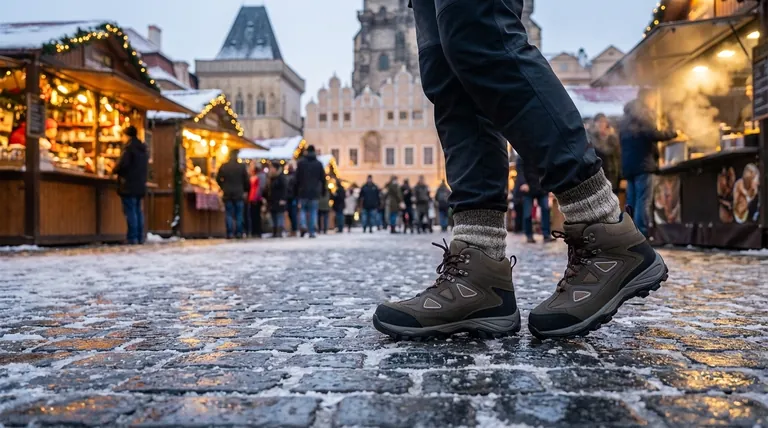
Your best choice for winter travel in European cities is a comfortable, waterproof boot with good traction. The key is to select an unlined or lightly insulated boot and pair it with high-quality wool socks. This combination provides the versatility needed for moving between cold outdoor markets and warm indoor spaces like museums or cafes.
The goal is not to find the single warmest boot, but to create a flexible system. A waterproof boot acts as a protective shell, while quality wool socks provide adaptable insulation and moisture management, keeping you comfortable both indoors and out.
The Core Principles of Winter City Footwear
When selecting footwear, your decision should be guided by three non-negotiable technical requirements for navigating European cities in winter.
Prioritize Waterproofing Above All
Winter in Europe often means rain, sleet, or melting snow. This creates slushy puddles and damp conditions. A boot with a reliable waterproof membrane (like GORE-TEX or a proprietary equivalent) is your primary defense against wet, cold feet, which can ruin a day of exploration.
Traction is Non-Negotiable
European cities are famous for their cobblestone streets, which become incredibly slick when wet or icy. A sole with a deep, well-defined tread pattern is essential for maintaining a secure grip and preventing slips and falls. Look for rubber compounds designed for good traction in cold weather.
Comfort for All-Day Exploration
You will be walking far more than you do in your daily life, often for 8-10 hours on hard, unforgiving surfaces. Your boots must be comfortable from the start. Ensure there's enough room in the toe box and that the boot provides adequate arch and ankle support without creating pressure points.
The Insulation Strategy: Your Socks are Key
The most common mistake is choosing an overly insulated boot. For city travel, your insulation should be adaptable.
Why Unlined Boots Excel in Cities
Heavily insulated snow boots are designed for prolonged exposure to deep cold. In a city, you constantly move from the frigid outdoors to heated shops, restaurants, and subways. A heavily insulated boot will cause your feet to sweat profusely indoors, leading to dampness and then a rapid chill once you step back outside.
The Power of High-Quality Wool Socks
Wool is the ideal material for this task. Unlike cotton, which holds moisture, wool wicks sweat away from your skin, keeping your feet dry. It also insulates even when damp and has natural temperature-regulating properties, meaning it helps keep you warm in the cold and prevents overheating indoors.
Sizing for the System
When trying on boots, do so with the thick wool socks you plan to wear. You may need to size up a half-size to ensure there is enough room for your toes to wiggle. Proper circulation is critical for keeping your feet warm.
Understanding the Trade-offs
Every footwear choice involves balancing function, style, and practicality.
Hiking Boots: The Practical Choice
These offer the best combination of waterproofing, traction, and all-day support. They are engineered for walking long distances. Their main drawback can be a bulky, overly casual appearance that might not fit in at a nicer restaurant.
Waterproof Leather Boots: The Balanced Approach
Many brands offer stylish leather boots (like Chelsea or chukka styles) that incorporate waterproof membranes and grip-focused soles. These provide a great balance of city-appropriate style and technical performance. However, they may require more care and can sometimes be heavier than their hiking-oriented counterparts.
Insulated Snow Boots: Often a Mistake
Unless you are traveling to an arctic region or plan to spend hours standing still in sub-zero temperatures, traditional snow boots are typically overkill. Their bulkiness makes them clumsy for city walking, and they are the worst offenders for causing your feet to overheat indoors.
Making the Right Choice for Your Trip
Select your footwear based on your primary goal for comfort and style.
- If your primary focus is maximum comfort and weather protection: Choose a waterproof hiking boot or a rugged waterproof shoe from a reputable outdoor brand.
- If your primary focus is balancing style with function: Look for a waterproof leather boot with a high-traction sole and be sure to break it in before your trip.
- If you know you run cold or will face consistently freezing weather: Opt for a lightly insulated (200g insulation is a common standard) waterproof boot, but prioritize wearing moisture-wicking wool socks.
Ultimately, the right footwear is the one you forget you're wearing, allowing you to focus completely on the experience of your travels.
Summary Table:
| Key Feature | Why It's Important | Recommendation |
|---|---|---|
| Waterproofing | Protects from rain, sleet, and slush on city streets. | Boots with GORE-TEX or equivalent membrane. |
| Traction | Prevents slips on wet cobblestones and icy paths. | Deep-tread, cold-weather rubber soles. |
| Comfort & Fit | Essential for 8-10 hours of walking on hard surfaces. | Try boots on with thick wool socks; may need to size up. |
| Insulation Strategy | Avoids overheating indoors and chilling outdoors. | Unlined boot + quality wool socks for adaptable warmth. |
Ready to equip your next travel group with the perfect winter footwear?
As a large-scale manufacturer, 3515 produces a comprehensive range of high-quality, waterproof boots perfect for distributors, brand owners, and bulk clients supplying the travel market. Our production capabilities encompass all types of durable and comfortable shoes and boots designed for all-day exploration.
Let's discuss your needs: Contact our team today to explore our catalog and find the ideal footwear solutions for your customers.
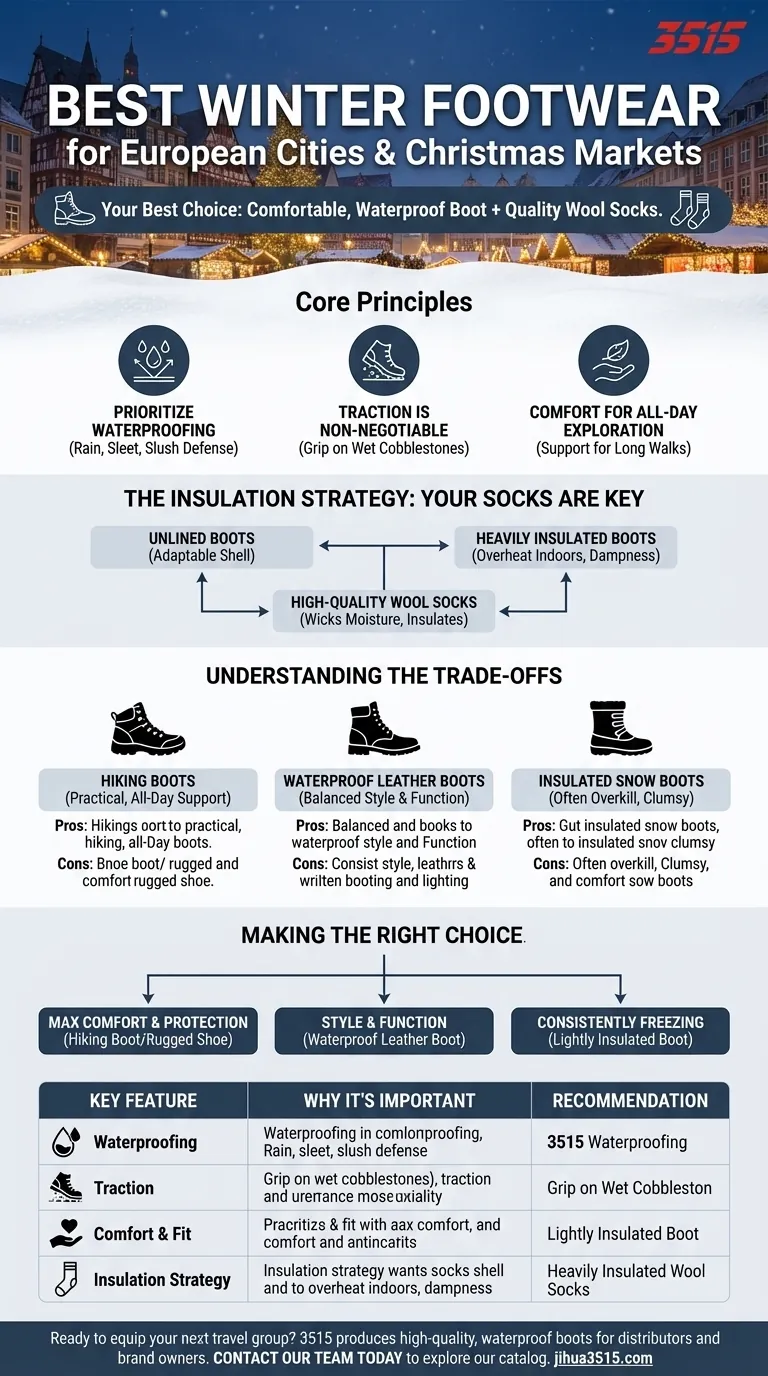
Visual Guide
Related Products
- Wholesale Waterproof Tactical Boots Custom Suede & High-Traction Soles
- Lightweight Breathable Sneakers with Wet-Traction Grip for Wholesale & Private Label
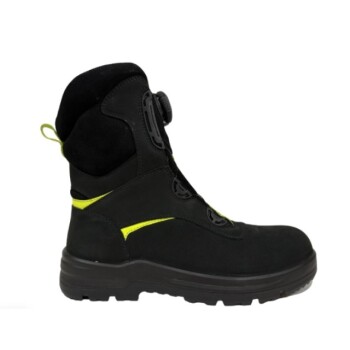
- High Performance Fire-Retardant Waterproof Safety Boots
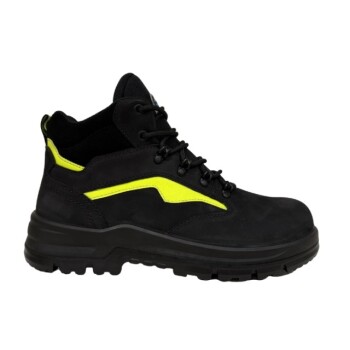
- Premium Wholesale Waterproof Safety Boots High Performance Protection for Industrial Markets
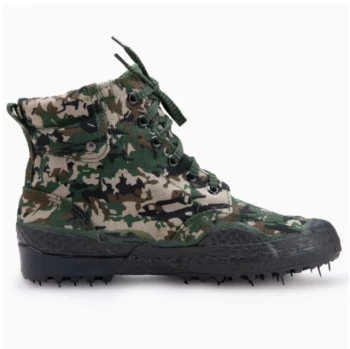
- Factory-Direct Wholesale Canvas Boots with High-Traction Rubber Soles
People Also Ask
- What waterproof technology is used in tactical boots? Unlock All-Weather Performance & Protection
- What are the advantages and disadvantages of waterproof tactical boots? A Guide to the Key Trade-Offs
- What is the significance of waterproof functionality in tactical boots? Essential for Health & Performance
- What is the role of professional 3D medical imaging software in optimizing tactical boot design and performance?
- What features enhance breathability and comfort in tactical boots? A Guide to Superior Footwear Performance