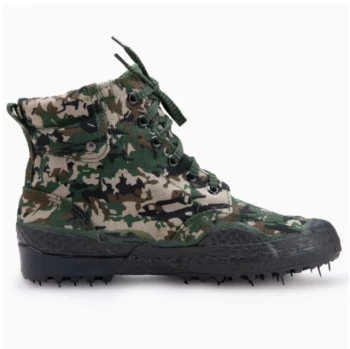
Ultimately, the best boots for deer hunting are purpose-built hunting boots designed for the specific season, terrain, and hunting style you employ. For late-season hunts in cold weather, heavily insulated and waterproof boots are non-negotiable for warmth and safety. However, the ideal boot for an active, early-season stalk will be entirely different.
The concept of a single "best" boot is a myth. The right choice is a calculated match between the boot's features—primarily insulation and support—and the specific demands of your individual hunt.
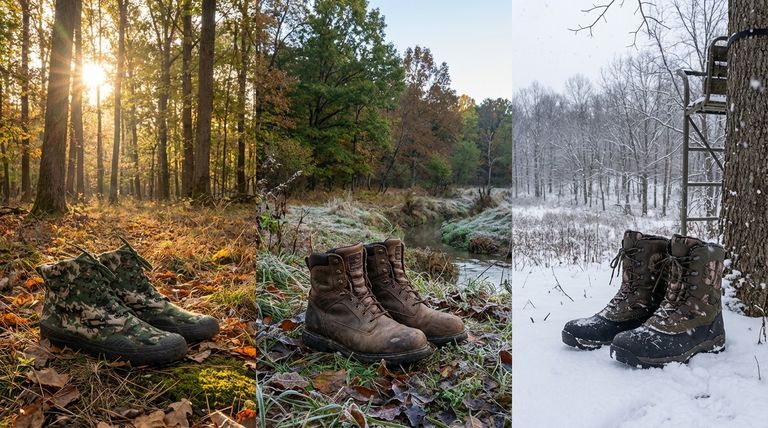
The Core Components of a Hunting Boot
To choose the right boot, you must first understand its fundamental components and how they function in the field.
Insulation: The Key to Comfort
Insulation in boots is measured in grams (g). This number indicates the weight of the insulating material in a square meter, with higher numbers providing more warmth.
A common mistake is choosing too much insulation for your activity level, leading to sweaty, and then cold, feet.
- 0-200g: Uninsulated to lightly insulated. Best for early season or high-exertion hunts in moderate temperatures.
- 400-800g: The all-purpose range. This is often the sweet spot for mid-season hunts with cool mornings and active afternoons.
- 1000g+: Heavily insulated. Reserved for late-season, bitter cold conditions, especially for stationary hunting like sitting in a treestand.
Waterproofing: A Non-Negotiable Feature
Nearly all quality hunting boots feature a waterproof, breathable membrane. This is critical for keeping your feet dry from external sources like rain, snow, or creek crossings.
Equally important, this membrane allows sweat vapor to escape, which is essential for preventing moisture buildup inside the boot.
Boot Height and Support
The height of your boot should match the terrain you'll be covering.
Taller boots (8-10 inches or more) offer superior ankle support in steep, rocky terrain and better protection from water when crossing streams or swamps. Shorter boots are lighter and can be more comfortable for hunts on flat ground.
Outsole and Traction
The outsole is your connection to the ground. An aggressive lug pattern is crucial for gripping mud, snow, and uneven surfaces.
The stiffness of the sole also matters. A more flexible sole is quieter for stalking, while a rigid sole provides more stability and protection on difficult terrain.
Matching the Boot to Your Hunt
The "when" and "how" of your hunt are the most important factors in your decision.
Early Season (Warm Weather)
For warm weather hunts, your priorities are breathability and low weight. Look for uninsulated (0g) or lightly insulated (200g) boots made from lighter synthetic materials to prevent your feet from overheating.
Mid-Season (Cool Weather)
This is where versatility shines. A boot with 400g to 800g of insulation provides enough warmth for frosty mornings but won't be excessively hot if you're actively tracking a deer in the afternoon.
Late Season (Cold Weather)
As noted, late-season hunting demands warmth above all else. Boots with 1000g of insulation or more are the standard. This is especially true if you are sitting still for hours in a stand or blind, where your body isn't generating heat through movement.
Understanding the Trade-offs
Choosing a hunting boot is always an exercise in balancing competing characteristics. Understanding these compromises is key to avoiding buyer's remorse.
Insulation vs. Weight
More insulation means more material, which adds weight. A heavy, highly-insulated boot is perfect for a short walk to a treestand but can cause significant fatigue on a long, multi-mile stalk.
Flexibility vs. Support
A highly flexible boot feels more like an athletic shoe, offering excellent stealth and comfort on flat ground. However, that same boot will offer poor support and protection when navigating steep hillsides or rocky ground.
Durability vs. Breathability
Tough, full-grain leather boots offer maximum durability and protection. However, they are often less breathable and heavier than boots made from modern synthetic fabrics.
Making the Right Choice for Your Hunt
Use your primary hunting style as the final filter for your decision.
- If your primary focus is stationary hunting in a treestand during cold weather: Prioritize maximum insulation (1000g+) to keep your feet warm during long, inactive periods.
- If your primary focus is active spot-and-stalk hunting in mild weather: Choose a lightweight, uninsulated or lightly insulated (0-400g) boot that prioritizes flexibility and breathability.
- If your primary focus is all-purpose hunting in varied conditions: Select a versatile boot with moderate insulation (400-800g) and a balance of support and flexibility.
The right boot is an investment that allows you to forget about your feet and focus entirely on the hunt.
Summary Table:
| Hunting Scenario | Recommended Insulation | Key Features |
|---|---|---|
| Early Season (Warm) | 0-200g | Lightweight, breathable, flexible for stalking |
| Mid-Season (Cool) | 400-800g | Versatile, balanced support, waterproof |
| Late Season (Cold) | 1000g+ | Maximum warmth, rigid support for stationary hunts |
Ready to equip your hunting expedition with the perfect boots?
As a large-scale manufacturer, 3515 produces a comprehensive range of purpose-built hunting footwear for distributors, brand owners, and bulk clients. Our production capabilities encompass all types of insulated, waterproof, and durable boots designed for every season and terrain. Let us help you find the ideal match for your hunting needs.
Contact our experts today to discuss your requirements and discover how we can support your business with high-quality hunting boots.
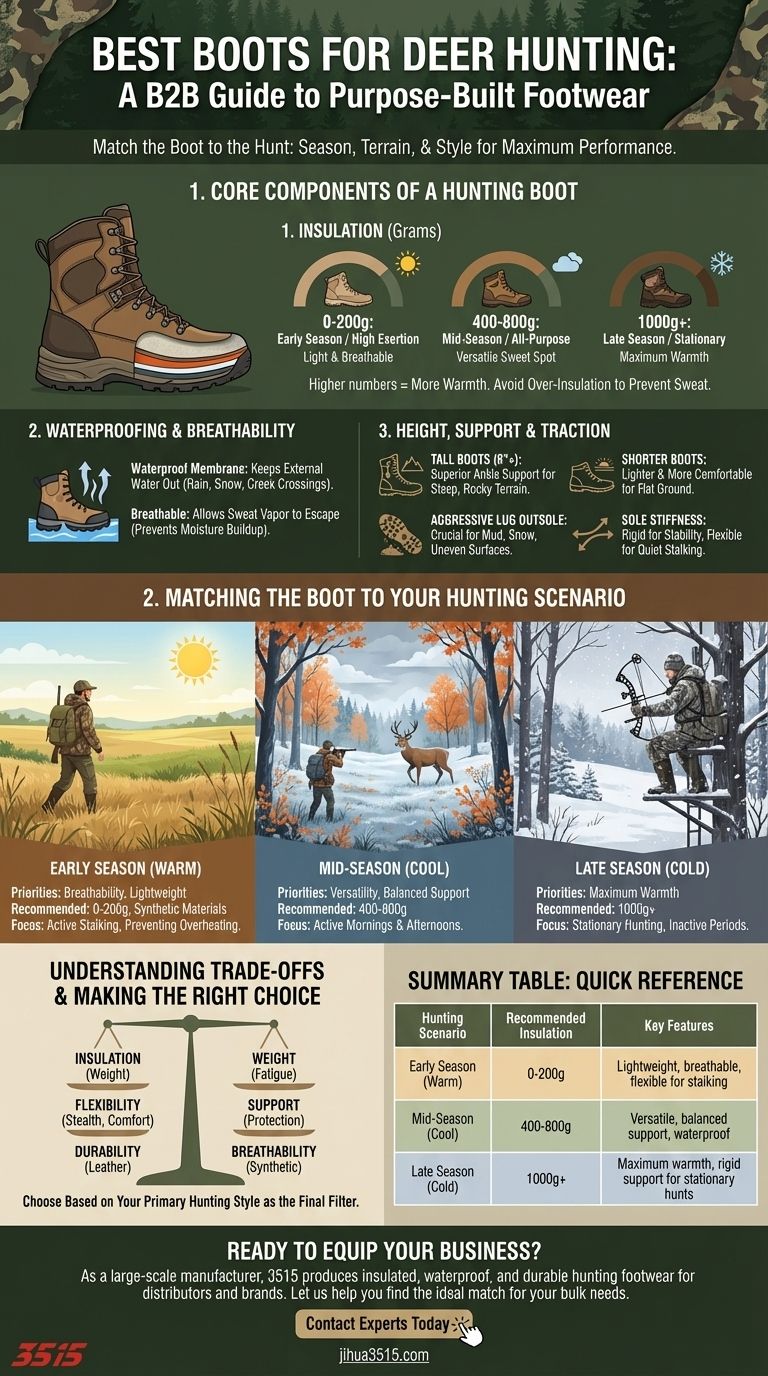
Visual Guide
Related Products
- Wholesale Lightweight Tactical Boots Custom Manufacturer for Desert & Combat Use
- Durable Leather Tactical Boots Wholesale & Custom Manufacturing for Brands
- Durable High-Ankle Tactical Boots Wholesale Manufacturer for Custom & Bulk Orders
- Durable Mid-Cut Tactical Boots for Wholesale & Private Label
- Wholesale Lightweight Tactical Boots with Dial Closure OEM & Bulk Orders
People Also Ask
- What are the common types of combat boots? Find the Right Boot for Your Mission
- What specialized protections do tactical boots offer? Maximize Endurance with High-Performance Footwear
- How is the compatibility of polymer materials demonstrated in smart footwear? Enhancing Tactical & Training Performance
- What are the different types of tactical boots available? Find the Right Boot for Your Mission
- What is the role of high-frequency acquisition hardware in technical skill analysis for outdoor and tactical boots?