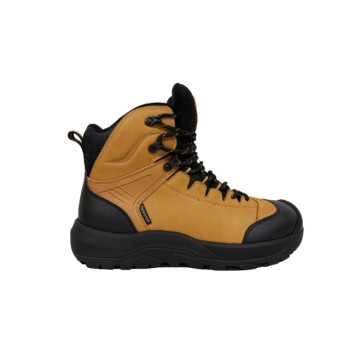
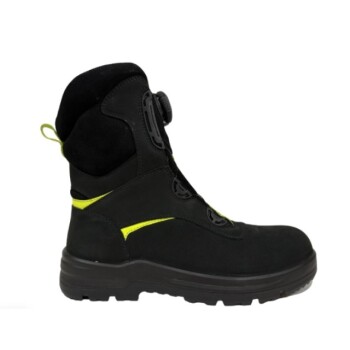
Integrated active electric heating systems fundamentally change the thermal equation by introducing an external heat source rather than simply trapping existing body heat. By targeting peripheral zones like the toes, these systems compensate for the inherent limitations of passive insulation, specifically during periods of low physical activity in extreme cold.
While traditional boots rely on retaining metabolic heat, active systems generate thermal energy to prevent the physiological cascade of cooling. This capability is essential for preventing cold-induced vasoconstriction when passive materials reach their physical limits.
Bridging the Gap of Passive Insulation
The Physical Limits of Materials
Traditional mountaineering boots rely on passive insulation. This works by trapping warm air next to the skin, but it cannot create heat; it can only slow the rate of heat loss.
In extremely low ambient temperatures, the temperature gradient between the foot and the outside air becomes too steep for passive materials alone to manage. Active systems bypass this limit by supplying new thermal energy directly to the system.
The Low-Intensity Problem
Passive insulation requires the user to generate metabolic heat through movement. When a climber stops to belay or sleep, heat production drops significantly.
Active heating fills this void. It provides the necessary thermal input to maintain warmth when the body's own metabolic furnace is dialed down, preventing rapid cooling during static periods.
Physiological Protection Mechanisms
Preventing Vasoconstriction
The human body's natural defense against cold is vasoconstriction. This restricts blood flow to the extremities to preserve core temperature, leaving toes vulnerable to frostbite.
Active heating systems significantly slow the decline of skin temperature. By keeping the extremities warm, they help prevent the body from triggering this vasoconstriction response, ensuring warm blood continues to circulate to the toes.
Targeted Peripheral Defense
The toes are invariably the most sensitive area in a boot. They have a high surface-area-to-volume ratio and are furthest from the heart.
Integrated systems focus heat specifically on these peripheral areas. This targeted approach provides thermal protection that exceeds what is possible through simply adding thicker layers of foam or felt.
Understanding the Trade-offs
System Dependency
Active systems introduce complexity. Unlike passive insulation, which is always "on," an electric system is a mechanical component that can fail.
If the system malfunctions or the battery dies, the boot reverts to its passive insulation properties. This sudden loss of active heat can be dangerous if the user has become reliant on it.
Power constraints
Active heating is finite. The duration of protection is strictly limited by the energy density and charge of the power source.
Users must manage battery life carefully. In multi-day scenarios, the added weight of batteries and charging equipment must be weighed against the thermal benefits.
Making the Right Choice for Your Goal
To determine if integrated active heating is necessary for your objectives, consider your activity level and environment.
- If your primary focus is prolonged static exposure (e.g., long belays, photography, high-altitude camps): Prioritize active heating to artificially sustain skin temperature when metabolic heat generation is low.
- If your primary focus is continuous, high-output movement: Rely on high-quality passive insulation, viewing active systems only as an emergency backup rather than a primary heat source.
True thermal safety in high-altitude environments comes from understanding the limits of your gear and never relying solely on a battery to keep you warm.
Summary Table:
| Feature | Passive Insulation | Active Electric Heating |
|---|---|---|
| Heat Source | Metabolic body heat | External power/battery |
| Functionality | Traps existing air | Generates new thermal energy |
| Performance at Rest | Rapid heat loss | Sustains warmth during static periods |
| Targeted Areas | Uniform coverage | Focused on peripheral zones (toes) |
| Reliability | Fail-proof (material-based) | Dependent on battery life/electronics |
Elevate Your Performance with 3515 Footwear Solutions
As a large-scale manufacturer serving distributors and brand owners worldwide, 3515 offers comprehensive production capabilities for all footwear types, anchored by our flagship Safety Shoes series. Our extensive portfolio covers specialized work and tactical boots, high-performance outdoor shoes, training shoes, and sneakers, as well as premium Dress & Formal shoes to meet diverse bulk requirements.
Whether you are looking for advanced thermal integration for extreme environments or rugged durability for industrial use, we provide the technical expertise and manufacturing scale to bring your vision to life. Partner with a leader in professional footwear—contact us today to discuss your bulk requirements!
References
- Eleonora Bianca, Ada Ferri. Definition of a thermal comfort rating scale for mountaneering boots. DOI: 10.25367/cdatp.2023.4.p110-119
This article is also based on technical information from 3515 Knowledge Base .
Related Products
- Wholesale High-Traction Camo Boots - Custom Manufacturer for Brands
- Durable High-Ankle Tactical Boots for Wholesale & Custom Manufacturing
- Durable High-Ankle Tactical Boots Wholesale Manufacturer for Custom & Bulk Orders
- High Performance Fire-Retardant Waterproof Safety Boots
- Premium Insulated Safety Boots and Shoes for Wholesale & Bulk Orders
People Also Ask
- What are the key features of the new line of camo boots? Built for Extreme Cold & Rugged Terrain
- Are camo boots necessary for hunting success? Prioritize Performance Over Pattern
- What is the technical logic behind using closed-eye testing for tactical boots? Unlocking Peak Footwear Stability
- How does the Rank Score Test identify the primary causes of premature failure in tactical and work boots? Key Insights
- What shoes to wear for a security job? Durable, Protective Footwear for Long Shifts