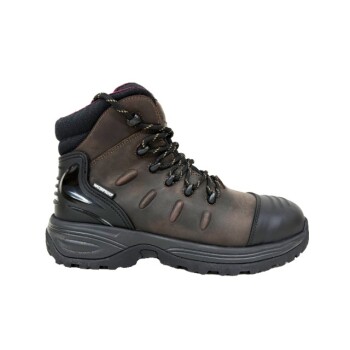
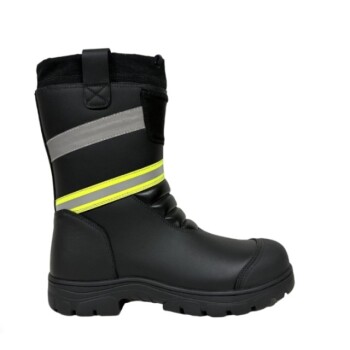
To properly maintain Waterproof & Oiled leather, you need a specific set of supplies designed to clean, condition, and protect its unique finish. The essential items are a specialized Waterproof Leather Cleaner, All Natural Boot Oil, a Leather Protector spray or cream, a soft-bristled brush for removing dirt, and several clean boot care cloths for application and buffing.
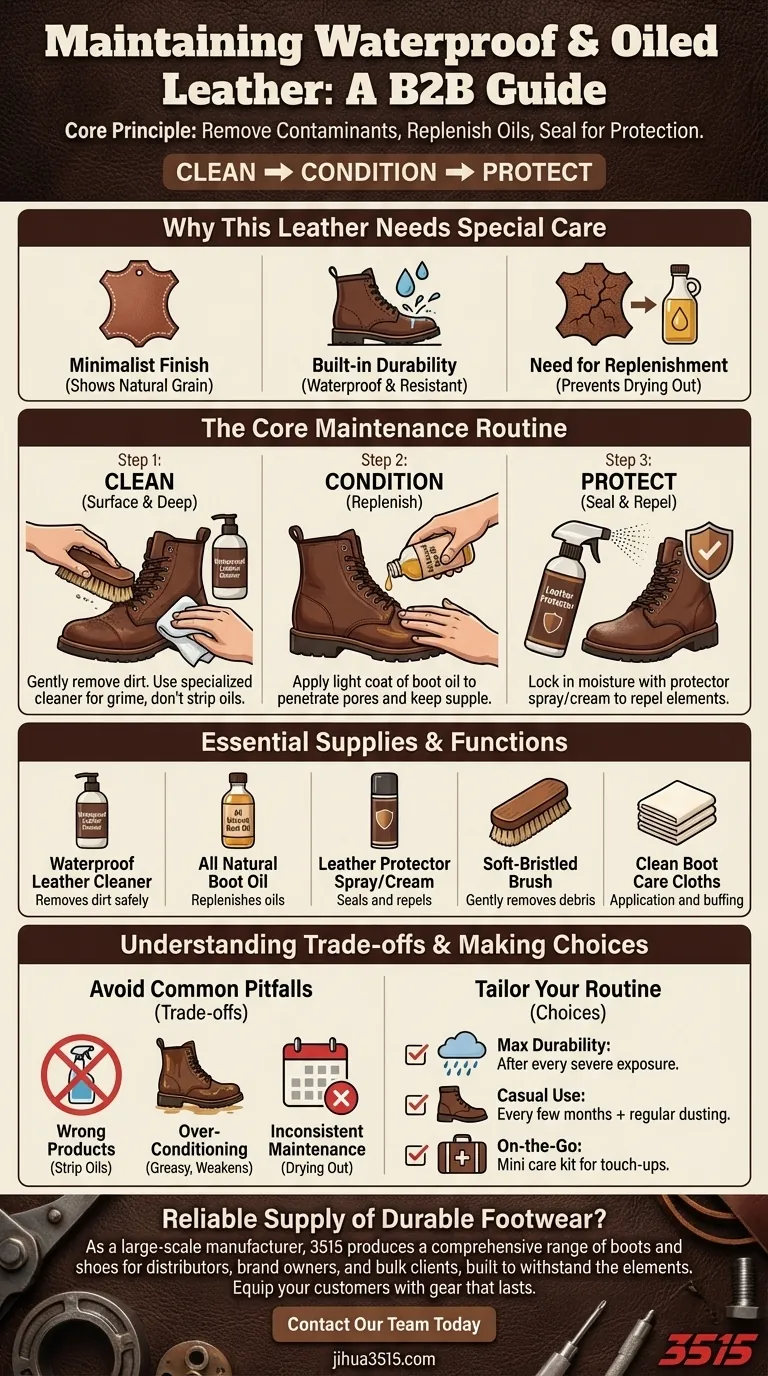
The core principle of caring for this leather is a three-step process: remove surface contaminants, replenish the essential oils that keep it supple, and then seal it to reinforce its water resistance and durability.
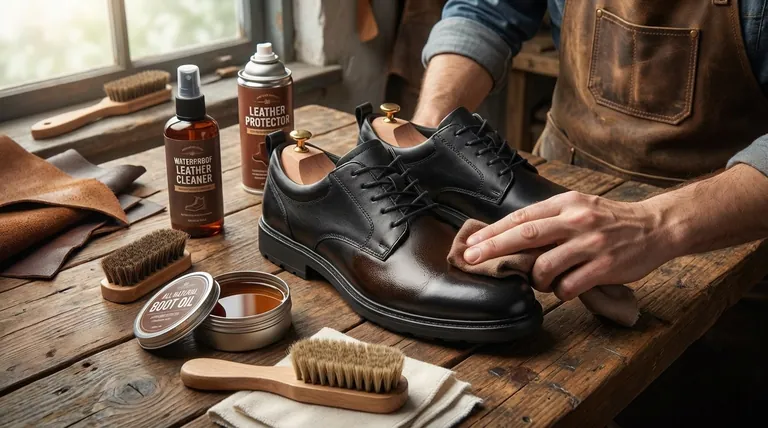
Why This Leather Needs Special Care
Waterproof & Oiled leather is a unique material valued for its ruggedness and natural appearance. Understanding its characteristics is key to proper maintenance.
A Minimalist Finish
Unlike highly polished leathers, this type is treated with minimal finishing materials. This allows the natural grain and texture to show through, giving it a distinct look and feel.
Built-in Durability
This leather is engineered to be waterproof, resistant to stains and even perspiration, making it exceptionally durable for footwear and outdoor gear.
The Need for Replenishment
The oils infused into the leather are what give it its water-resistant properties and supple feel. Over time, exposure to the elements can dry these oils out, making a dedicated maintenance routine essential.
The Core Maintenance Routine: Clean, Condition, Protect
A consistent routine will preserve the leather's appearance and extend the life of your footwear significantly.
Step 1: Cleaning the Surface
Before applying any products, you must remove all surface dirt and debris. Use a soft-bristled brush to gently clear away any dried mud or dust.
For deeper cleaning, apply a small amount of Waterproof Leather Cleaner to a damp cloth and work it gently over the leather. This removes embedded grime without stripping the essential oils.
Step 2: Conditioning the Leather
Conditioning is the most critical step for keeping the leather healthy and preventing cracks. This process reintroduces oils that have been lost through wear and exposure.
Apply a light, even coat of All Natural Boot Oil using your fingers, a soft cloth, or a sponge. The warmth from your fingers can help the oil penetrate the leather's pores effectively.
Step 3: Protecting the Finish
After the oil has been absorbed, the final step is to lock in the moisture and add an external barrier against the elements.
Use a quality Leather Protector spray or cream. This creates a breathable barrier that repels water and prevents stains without sealing the leather's pores completely.
Understanding the Trade-offs
Proper care yields excellent results, but there are common pitfalls to be aware of. Avoiding them is just as important as following the right steps.
Using the Wrong Products
Never use standard household cleaners, soaps, or generic leather conditioners. These products can contain chemicals or detergents that strip the oils from the leather, causing it to dry out, crack, or lose its water resistance.
The Risk of Over-Conditioning
While essential, too much oil can be detrimental. Over-conditioning can oversaturate the leather, making it feel greasy, attract more dirt, and potentially weaken its structure. Always apply a thin, even coat.
Inconsistent Maintenance
The primary trade-off for this leather's durability is the need for regular care. Neglecting the routine will inevitably lead to the leather drying out, compromising both its appearance and its waterproof functionality.
Making the Right Choice for Your Goal
Your maintenance frequency will depend on how you use your gear. Tailor your approach to your specific needs.
- If your primary focus is maximum durability and weatherproofing: Perform the full clean, condition, and protect routine after every significant exposure to harsh conditions like heavy rain, mud, or snow.
- If your primary focus is maintaining the natural look for casual use: A full routine every few months is sufficient, with regular brushing to remove surface dust in between.
- If your primary focus is quick, on-the-go care: Consider a mini care kit with smaller versions of the essential supplies for touch-ups while traveling or after unexpected weather.
Ultimately, a proactive maintenance schedule is the key to ensuring your Waterproof & Oiled leather goods last for years to come.
Summary Table:
| Essential Supply | Primary Function |
|---|---|
| Waterproof Leather Cleaner | Removes dirt without stripping oils |
| All Natural Boot Oil | Replenishes lost oils to prevent cracking |
| Leather Protector Spray/Cream | Seals in moisture and repels water/stains |
| Soft-Bristled Brush | Gently removes surface dirt and debris |
| Clean Boot Care Cloths | For even product application and buffing |
Need a reliable supply of durable, waterproof leather footwear?
As a large-scale manufacturer, 3515 produces a comprehensive range of boots and shoes for distributors, brand owners, and bulk clients. Our production capabilities encompass all types of durable footwear built to withstand the elements, just like the leather you're maintaining.
Let us help you equip your customers with gear that lasts. Contact our team today to discuss your footwear needs and sourcing options.
Visual Guide
Related Products
- Premium Oil Wax Leather Safety Boots for Bulk Purchase
- Durable Goodyear Welt Leather Work Boots for Wholesale & Private Label
- Durable Leather Work Boots Wholesale Manufacturer & Custom Factory
- Factory Direct Wholesale Rain Boots Durable Waterproof & Fully Customizable
- Durable Leather Work Boots for Wholesale & Custom Manufacturing
People Also Ask
- What materials are commonly used for outsoles in safety boots? A Guide to Durability, Grip, and Comfort
- How do safety boots reduce cutting hazards? Essential Protection for Your Workforce
- What are the common types of safety boots and their primary uses? A Guide to Industrial Footwear
- Which organizations develop safety standards for work boots? Ensure Compliance & Worker Safety
- What primary protective functions do professional safety boots provide in urban solid waste recovery and waste picking processes? Discover Dual-Layer Protection.