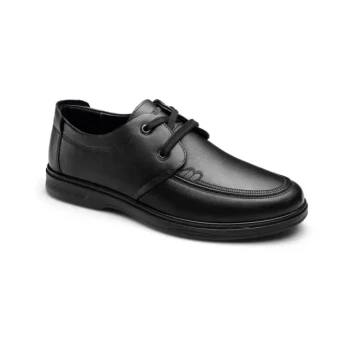
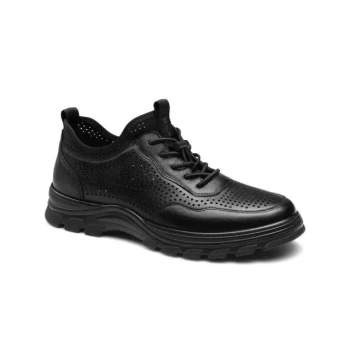
The most robust strategy for managing routine materials involves a dual approach: maintaining calculated safety stock levels while simultaneously establishing a multi-source backup plan. Although items like standard packaging or generic shoe components are easily substitutable commodities, a disruption in their supply can stall your entire operation just as effectively as a shortage of specialized parts.
Even for generic components, relying on a single source is a critical vulnerability. The most effective risk mitigation lies in pre-qualifying multiple suppliers before a crisis hits, allowing you to switch vendors instantly without pausing production.
The Hidden Risk of Routine Components
The Impact on Production Flow
It is a common misconception that low-cost, generic materials require less strategic management than high-value components.
In reality, the absence of a simple item, such as a shoebox or a generic heel counter, creates a bottleneck that halts the final output.
The Problem with Reactive Sourcing
While these materials are technically easy to substitute, finding a new supplier during a shortage leads to costly delays.
If you wait until a disruption occurs to look for alternatives, the administrative process of setting up a new vendor will consume valuable production time.
Implementing the Dual-Source Strategy
Establishing Safety Stock Levels
The first line of defense is a calculated inventory buffer.
By holding a specific amount of safety stock, you create a time cushion that allows production to continue during short-term supply chain hiccups.
The Multi-Source Backup Plan
The primary reference emphasizes that safety stock alone is not enough; you must diversify your supply base.
This involves identifying and pre-qualifying multiple suppliers rather than relying on a single vendor.
By vetting these backup sources in advance, you ensure they meet your quality standards and are ready to ship immediately if your primary vendor fails.
Common Pitfalls to Avoid
Overlooking Supplier Consistency
When utilizing multiple sources for "generic" components, slight variations in material quality or dimensions can occur.
You must ensure that your backup suppliers adhere to the exact same specifications as your primary source to prevent downstream quality control issues.
The Cost of Redundancy
Maintaining relationships with multiple vendors and holding safety stock does incur additional administrative and storage costs.
However, these costs must be weighed against the significantly higher expense of a complete production stoppage.
Making the Right Choice for Your Goal
To ensure your production line remains resilient against supply chain disruptions, consider your specific operational priorities:
- If your primary focus is cost minimization: Maintain a leaner safety stock but ensure you have at least one pre-qualified backup vendor with agreed-upon pricing.
- If your primary focus is zero downtime: Invest in higher safety stock levels and split your active orders between two suppliers to keep both supply chains warm.
By treating routine materials with strategic foresight, you transform potential points of failure into reliable pillars of your manufacturing process.
Summary Table:
| Management Pillar | Strategic Action | Key Benefit |
|---|---|---|
| Inventory | Calculated Safety Stock | Creates a time cushion during short-term hiccups |
| Sourcing | Pre-qualified Multi-sourcing | Allows instant vendor switching without pauses |
| Quality | Specification Standardization | Ensures consistency across different suppliers |
| Risk Mitigation | 'Warm' Supply Chains | Eliminates administrative delays during crises |
Secure Your Global Footwear Supply Chain with 3515
Production delays due to routine material shortages are avoidable with the right manufacturing partner. As a large-scale manufacturer serving global distributors and brand owners, 3515 offers comprehensive production capabilities and robust supply chain resilience.
Our extensive portfolio—from our flagship Safety Shoes and Tactical Boots to Training Shoes, Sneakers, and Dress & Formal footwear—is backed by mature procurement strategies that ensure your bulk requirements are met without interruption.
Partner with a manufacturer that prioritizes your uptime. Contact us today to discuss your wholesale needs and see how our production scale can benefit your brand.
References
- Nia Budi Puspitasari, Vera Febriani. Integration of the AHP-TOPSIS Approach in Material Supplier Selection. DOI: 10.1051/e3sconf/202451706005
This article is also based on technical information from 3515 Knowledge Base .
Related Products
- Advanced KPU Athletic Safety Shoe with Steel Toe Cap Anti-Slip Rotary Lacing System
- Custom Safety Shoe Manufacturer for Wholesale & OEM Brands
- Durable Rubber Sole Outdoor Shoes Wholesale & Custom Manufacturing
- Wholesale Breathable Training Shoes Custom Athletic Footwear Manufacturer
- Wholesale Durable Camouflage Canvas Shoes with High-Traction Cleated Rubber Sole
People Also Ask
- What are the key differences between steel toe and composite toe caps? Choose the Right Safety for Your Job
- What impact do steel toe caps have on toe skin health? Prevent Friction and Pressure in Your Safety Shoes
- What are the primary protective functions of safety shoes with steel toes in the automotive repair industry?
- What type of safety shoe is recommended for workers exposed to heavy machinery? Steel Toe Boots for Ultimate Protection
- How does defining specific friction interface models in FEA assist in predicting safety shoe toe cap failure modes?