Gait Mats serve as the critical diagnostic interface between human biomechanics and footwear engineering. By utilizing high-density sensor arrays to map plantar pressure distribution during movement, they provide the objective data necessary to identify high-pressure zones and instability in both formal and athletic shoe designs.
By correlating pressure profiles with Center of Pressure (COP) trajectories, designers can scientifically adjust insole material density and geometry. This process converts raw data into optimized comfort for mass-produced footwear.
Decoding the Pressure Profile
High-Density Sensor Mapping
Gait Mats are composed of high-density sensor arrays that detect force applied by the foot against the ground.
This technology captures a detailed map of plantar pressure distribution during the gait cycle.
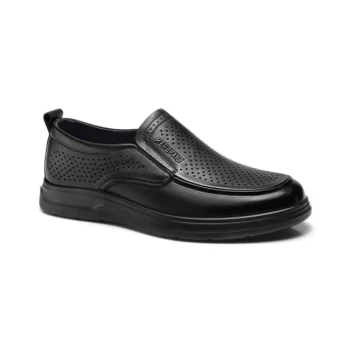
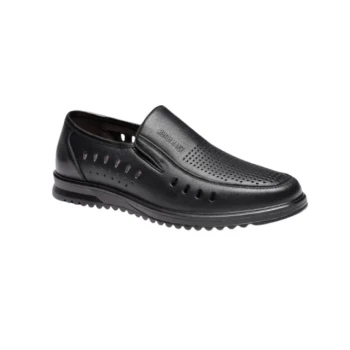
Designers use this data to instantly visualize high-pressure zones, such as the heel or the ball of the foot, which are common pain points in formal dress shoes.
Analyzing Stability via COP
Beyond simple pressure, Gait Mats track the Center of Pressure (COP) trajectories.
The COP represents the weighted average of all pressures over the surface area of the foot in contact with the ground.
By analyzing the path of the COP, engineers can identify points of instability where the foot wobbles or rolls excessively, a critical factor for injury prevention in training shoes.
From Analysis to Fabrication
Modifying Material Density
Once high-pressure zones are identified, designers can adjust the material density of the insole.
In areas of peak pressure, softer, shock-absorbing materials can be utilized to redistribute force.
Conversely, firmer materials can be placed in low-pressure areas to provide structural support without compromising comfort.
Adjusting Geometric Shape
The insights gained from Gait Mats directly influence the geometric shape of the insole.
If the COP trajectory indicates over-pronation or instability, the geometry of the arch or heel cup can be altered to correct the foot's alignment.
These precise geometric adjustments ensure that mass-produced footwear offers a level of ergonomic support previously reserved for custom orthotics.
Understanding the Trade-offs
The Mass Production Gap
While Gait Mats provide precise data on individual steps, applying this to mass-produced footwear requires generalization.
Designers must aggregate data from many subjects to create a "standard" comfort profile, meaning the final design is an optimization for the average user, not a custom fit for every individual.
Static vs. Dynamic Limitations
Gait Mats excel at capturing data on flat surfaces, but they may not fully replicate complex, real-world terrains.
Designers must interpret the data carefully, acknowledging that the pressure profiles captured in a controlled lab might differ slightly from performance on uneven pavement or trails.
Making the Right Choice for Your Design
By leveraging the data from Gait Mats, you can move away from trial-and-error and toward evidence-based design.
- If your primary focus is Comfort (Dress Shoes): Prioritize identifying high-pressure zones to adjust material density for superior cushioning under the heel and metatarsals.
- If your primary focus is Performance (Training Shoes): Focus on COP trajectories to refine the insole's geometric shape for maximum stability and energy transfer.
Gait Mats turn the subjective feeling of "comfort" into actionable, engineering metrics.
Summary Table:
| Feature Analyzed | Data Metric Captured | Design Application |
|---|---|---|
| Pressure Zones | High-Density Sensor Mapping | Adjusting material density for cushioning (Dress Shoes) |
| Stability/Balance | Center of Pressure (COP) Trajectories | Refining geometric shapes for alignment (Training Shoes) |
| Foot Mechanics | Plantar Pressure Distribution | Correcting instability and identifying high-stress areas |
| Production Scaling | Aggregated Population Data | Creating ergonomic profiles for mass-produced footwear |
Partner with 3515 for Evidence-Based Footwear Excellence
As a premier large-scale manufacturer serving global distributors and brand owners, 3515 leverages advanced biomechanical insights to deliver superior footwear solutions. Our production capabilities span all categories, from our flagship Safety Shoes to high-performance Training Shoes and sophisticated Dress & Formal footwear.
By choosing 3515, you gain a partner dedicated to technical precision and ergonomic comfort. Whether you need specialized tactical boots or mass-market sneakers, we translate data-driven design into high-quality bulk manufacturing.
Ready to elevate your product line with scientifically optimized footwear?
Contact us today to discuss your production needs
References
- Prateek Singhal, Upendra N. Dwivedi. Unveiling Patterns and Abnormalities of Human Gait: A Comprehensive Study. DOI: 10.51983/ijiss-2024.14.1.3754
This article is also based on technical information from 3515 Knowledge Base .
Related Products
- Wholesale Durable Camouflage Canvas Shoes with High-Traction Cleated Rubber Sole
- Wholesale Breathable Perforated Leather Derby Shoes with Modern Comfort Sole
- Wholesale Breathable Training Shoes Custom Athletic Footwear Manufacturer
- Durable Rubber Sole Outdoor Shoes Wholesale & Custom Manufacturing
- Wholesale Waterproof Tactical Boots Custom Suede & High-Traction Soles
People Also Ask
- Why is the selection of high-strength fabric materials necessary in the production of canvas shoes and training shoes?
- What are the properties of canvas as a shoe material? A Guide to Lightweight Comfort & Style
- Can canvas shoes be worn in rainy conditions? The Truth About Water Resistance
- What are some examples of vulcanized shoes? Discover the Flexibility and Board Feel of Classic Sneakers
- What are the characteristics of canvas as a shoe material? A Guide to Lightweight, Breathable Footwear