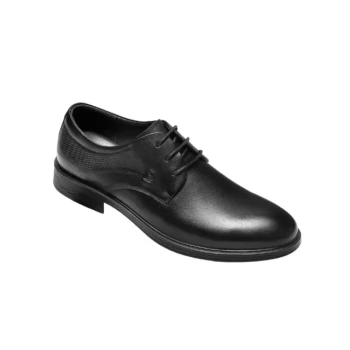
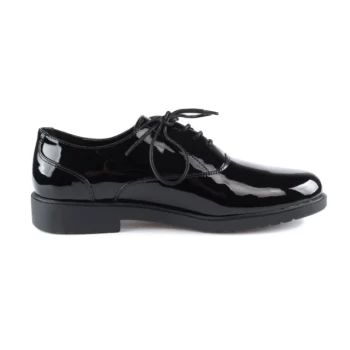
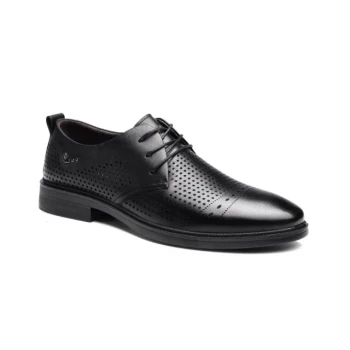
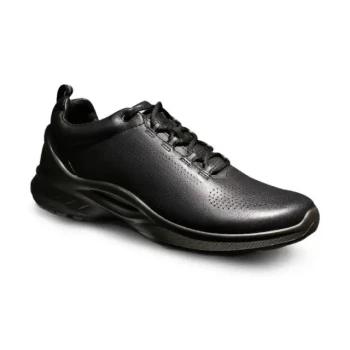
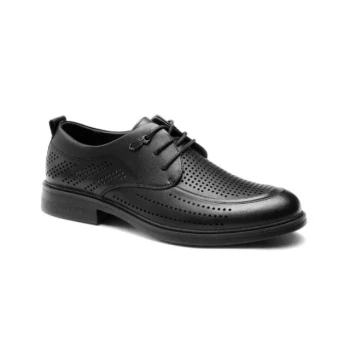
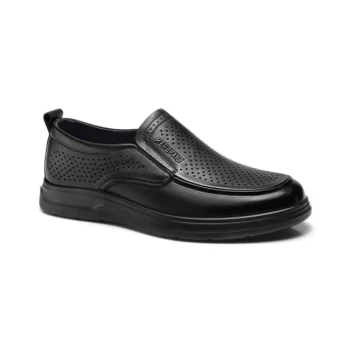
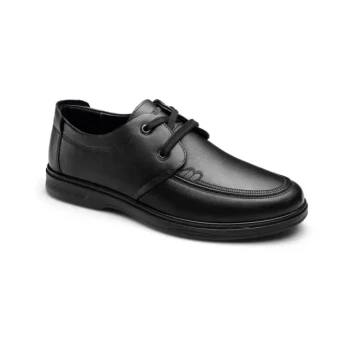
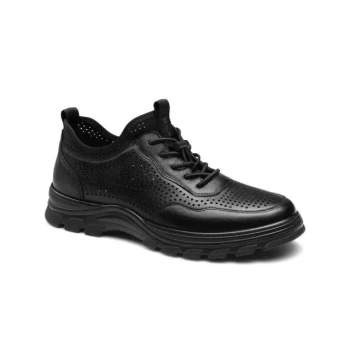
For the vast majority of quality men's dress shoes, the answer is leather. This single material typically constitutes the upper (the visible exterior), the lining, and even the sole. While non-leather options exist, and durable rubber soles are a common feature, a well-made dress shoe is fundamentally an exercise in quality leather craftsmanship.
The material of a dress shoe is its most critical attribute, directly dictating its quality, formality, comfort, and lifespan. Understanding the difference between a leather upper and a rubber sole, or between calfskin and suede, is the key to choosing a shoe that truly fits your needs.
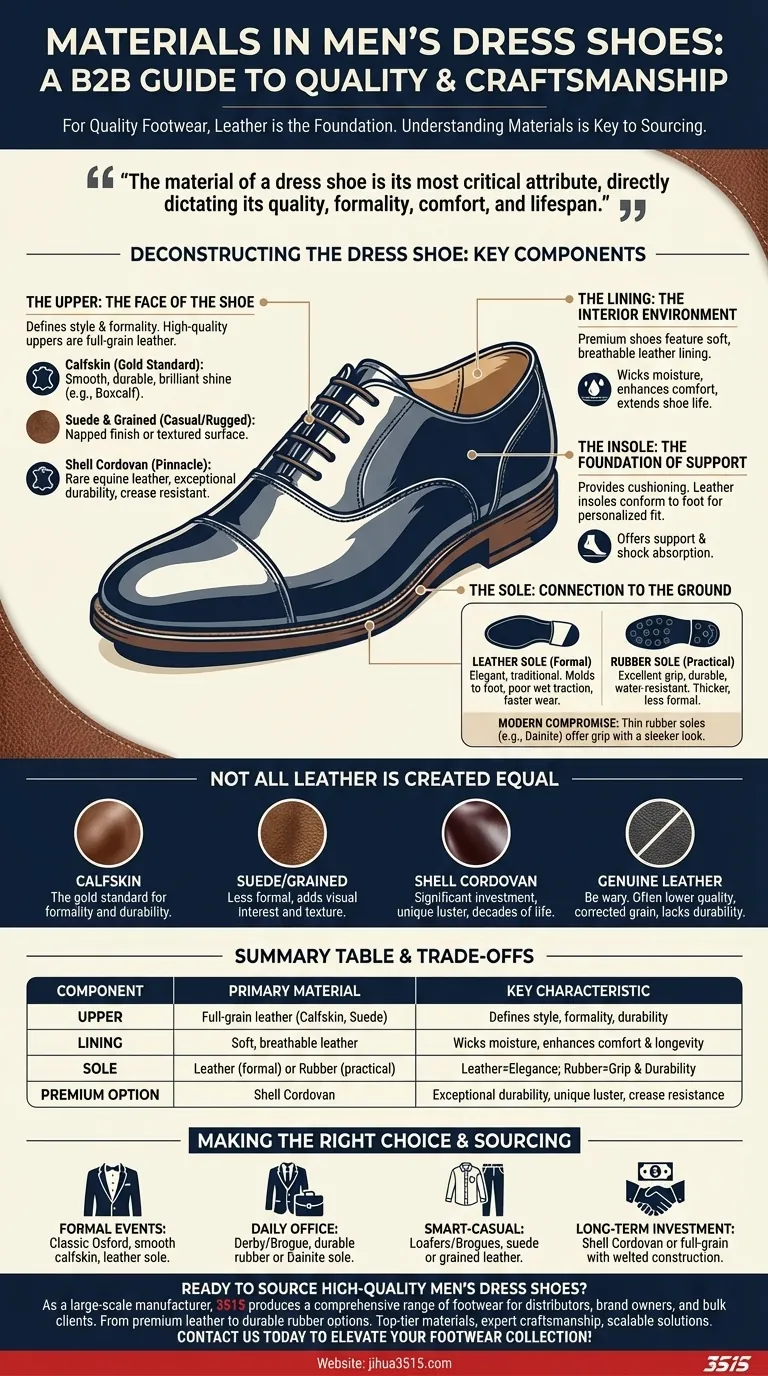
Deconstructing the Dress Shoe: The Key Components
To understand material choices, you must first understand the anatomy of the shoe. Each part has a distinct purpose, and its material is chosen to serve that function.
The Upper: The Face of the Shoe
The upper is the entire part of the shoe that covers the foot. As the most visible component, its material defines the shoe's style and formality.
High-quality uppers are almost always made from some form of full-grain leather, such as calfskin, which is prized for its smooth finish and durability. Other popular choices include suede for a softer, more casual texture, or Shell Cordovan, an exceptionally durable and rare equine leather.
The Lining: The Interior Environment
The lining is the material inside the shoe that makes contact with your foot. In premium shoes, this is also made of soft, breathable leather.
A full leather lining is a hallmark of quality because it wicks away moisture, which keeps your feet comfortable and extends the life of the shoe.
The Insole: The Foundation of Support
The insole sits directly beneath your foot, providing cushioning and shock absorption. This component is typically made of leather or supportive cushioned foam.
In well-constructed shoes, a leather insole will gradually conform to the shape of your foot, creating a personalized and comfortable fit over time.
The Sole: Your Connection to the Ground
The outsole is the bottom-most layer that contacts the ground. This is where the most significant material variation occurs, primarily between leather and rubber.
A leather sole is the traditional choice, valued for its elegant, sleek profile. A rubber sole is a practical alternative chosen for its superior grip and durability.
Not All Leather is Created Equal
Simply seeing "leather" on a label isn't enough. The type and quality of that leather are what separate an entry-level shoe from a lifetime investment.
Calfskin: The Gold Standard
Varieties like Boxcalf or Museum Calf are types of calfskin leather, considered the standard for high-quality formal footwear. They offer a perfect balance of durability, flexibility, and a capacity to take a brilliant shine.
Suede and Grained Leathers
Suede has a napped, velvet-like finish, making it inherently less formal than smooth calfskin. Grained leathers, like County Calf or Hatch Grain, have a textured, pebbled surface that adds visual interest and durability, often used for more rugged shoe styles like Derbies or Brogues.
Shell Cordovan: The Pinnacle
Shell Cordovan is a non-porous, extremely dense leather from a specific part of a horsehide. It is famous for its unique luster, exceptional durability, and resistance to creasing. Shoes made from this material are a significant investment intended to last for decades.
The "Genuine Leather" Misconception
Be wary of products simply labeled "genuine leather." While technically leather, this term is often used for lower-quality corrected-grain leathers where imperfections have been sanded off and an artificial grain pattern applied. It lacks the durability and aging potential of full-grain leathers.
Understanding the Trade-offs: Leather vs. Rubber Soles
The choice between a leather and rubber sole is the most common decision a buyer will face. It is not a matter of one being universally better, but of choosing the right tool for the job.
The Case for Leather Soles
A leather sole is the classic, most formal option. It is more breathable than rubber and will mold to your foot over time. Its sleek profile is unmatched for formal occasions.
However, leather offers poor traction on wet surfaces and will wear down more quickly on abrasive pavement than rubber.
The Case for Rubber Soles
A rubber sole provides excellent grip, water resistance, and longevity, making it an ideal choice for a daily commuter or anyone living in a wet climate.
The trade-off is aesthetics. Rubber soles are thicker and less sleek than leather, reducing the shoe's overall formality.
The Modern Compromise
Many modern high-end shoemakers use thin, durable rubber soles (like those from the brand Dainite) that feature a low profile with recessed studs. This offers much of rubber's grip and durability while maintaining a more elegant look than a thick commando sole.
Making the Right Choice for Your Needs
Your decision should be guided by how and where you plan to wear the shoes.
- If your primary focus is formal elegance for special events: Choose a classic Oxford with a smooth calfskin upper and a traditional leather sole.
- If your primary focus is daily office wear and commuting: A Derby or Brogue with a durable rubber or combination Dainite sole offers the best blend of style and practicality.
- If your primary focus is a relaxed, smart-casual style: Consider materials like suede or grained leather, often found on Loafers or less formal Brogues.
- If your primary focus is a long-term investment: Look for shoes made from Shell Cordovan or full-grain calfskin with a welted construction that allows for easy resoling.
Ultimately, an informed choice in material ensures your dress shoes not only look right for the occasion but also provide the comfort and durability you need.
Summary Table:
| Component | Primary Material | Key Characteristic |
|---|---|---|
| Upper | Full-grain leather (e.g., Calfskin, Suede) | Defines style, formality, and durability |
| Lining | Soft, breathable leather | Wicks moisture, enhances comfort and longevity |
| Sole | Leather (formal) or Rubber (practical) | Leather offers elegance; rubber provides grip and durability |
| Premium Option | Shell Cordovan | Exceptional durability, unique luster, and crease resistance |
Ready to Source High-Quality Men's Dress Shoes?
As a large-scale manufacturer, 3515 produces a comprehensive range of footwear for distributors, brand owners, and bulk clients. Our production capabilities encompass all types of shoes and boots, from premium leather dress shoes to durable rubber-soled options. We ensure top-tier materials, expert craftsmanship, and scalable solutions tailored to your brand's needs.
Contact us today to discuss your manufacturing requirements and elevate your footwear collection!
Visual Guide
Related Products
- Classic Leather Derby Dress Shoes Wholesale & Custom Manufacturing
- Wholesale Leather Derby Dress Shoes Custom Manufacturer for Brands
- Factory Direct Wholesale Leather Comfort Shoes with Dial Closure
- Wholesale Leather Business Casual Shoes with Dial Closure - Manufacturer of Comfort Dress Sneakers
- Wholesale Patent Oxford Dress Shoes | Custom & Bulk Manufacturing
People Also Ask
- How often should leather dress shoes be cleaned and polished? A 3-Tier Care Guide for Longevity
- How can you remove salt stains from leather dress shoes? Save Your Shoes with a Simple Vinegar Solution
- What are the basic steps to clean leather dress shoes? A Guide to Preserving Your Investment
- How should you dry wet leather dress shoes? A Step-by-Step Guide to Save Your Investment
- What historical figure is associated with the Derby shoe? The Earl of Derby's Comfort Revolution