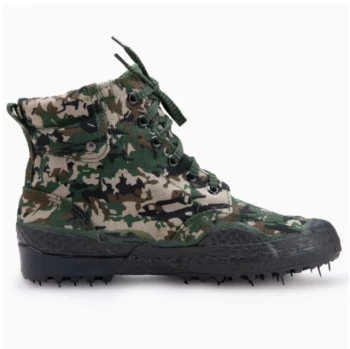
Hunting boots utilize a strategic combination of natural and synthetic materials designed to balance durability, weight, and environmental protection. The most common components include full-grain leather for rugged water resistance, synthetic fabrics like nylon for lightweight breathability, rubber for traction-heavy outsoles, and specialized insulation linings for temperature regulation.
Core Takeaway The ideal hunting boot material depends on the trade-off between mobility and protection. While full-grain leather offers maximum durability and water resistance for harsh terrain, synthetic materials provide the breathability and weight reduction necessary for high-mileage, active hunting.
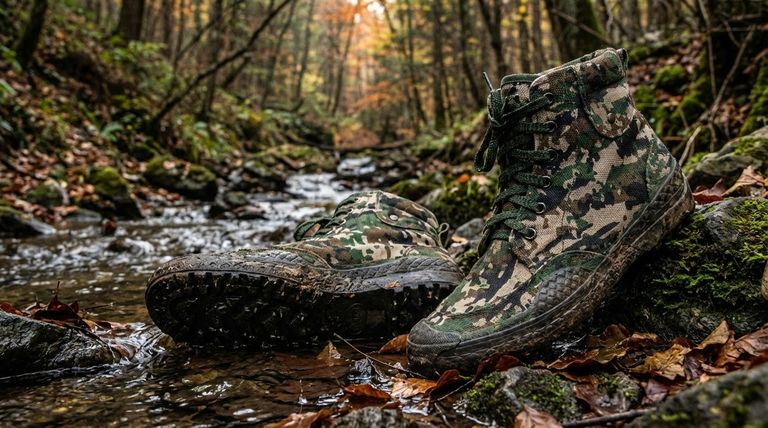
The Upper: Balancing Protection and Agility
The upper part of the boot dictates its longevity and how it handles moisture.
Full-Grain Leather
Full-grain leather is the gold standard for durability. It provides a dense, natural barrier against water and abrasion, making it ideal for navigating thick brush or rocky environments.
Synthetic Fabrics and Nylon
To reduce weight, manufacturers often incorporate nylon or similar synthetic textiles. These materials significantly improve breathability, allowing heat to escape during periods of high activity.
Suede
Some boots utilize suede, often found in military or tactical-style hunting footwear. While suede is softer and more comfortable initially, it is more susceptible to stains and water absorption than full-grain leather.
The Foundation: Soles and Construction
The materials used underfoot determine stability and safety.
Rubber Outsoles
The outsole is almost universally made of rubber. This material is essential for providing excellent grip and slip resistance, ensuring stability on wet leaves, mud, or rock.
Construction Style
Traditional hunting boots often feature a hand-sewn moc toe and lace-up closures. This construction offers a classic aesthetic popular in the Northeast, making the boots stylish enough for casual wear while retaining field utility.
Insulation and Weight Considerations
The volume and type of materials used directly impact the physical weight of the boot.
Thermal Linings
For cold environments, boots feature insulation linings. These are critical for regulating temperature, particularly when the hunter is stationary.
The Weight Factor
Material choice dictates the boot's class.
- Lightweight boots (1.5–2.5 pounds per pair) rely heavily on synthetic fabrics.
- Heavy-duty boots (up to 4 pounds per pair) utilize thick leather and substantial insulation for extreme conditions.
Understanding the Trade-offs
Choosing the right material involves accepting specific compromises in performance.
Durability vs. Weight
Full-grain leather offers superior longevity but adds significant weight. A boot weighing 4 pounds can lead to faster fatigue over long distances compared to a 1.5-pound synthetic boot.
Maintenance Requirements
While synthetic materials are generally easy to maintain, leather requires regular care to remain water-resistant. Suede, in particular, is prone to staining and requires specific cleaning protocols to maintain its appearance and function.
Making the Right Choice for Your Goal
Select your boot materials based on your specific activity level and terrain.
- If your primary focus is maximum durability: prioritize full-grain leather construction to withstand abrasion and moisture over years of use.
- If your primary focus is mobility and speed: choose boots with high nylon or synthetic content to keep the weight between 1.5 and 2.5 pounds.
- If your primary focus is cold-weather stationary hunting: look for boots with heavy insulation linings, accepting the trade-off of a heavier boot (up to 4 pounds).
Matching the material composition to your environment ensures your gear supports, rather than hinders, your hunt.
Summary Table:
| Material | Primary Use | Key Benefit | Key Consideration |
|---|---|---|---|
| Full-Grain Leather | Upper | Maximum durability & water resistance | Heavier weight |
| Nylon / Synthetics | Upper | Lightweight & breathable | Less durable than leather |
| Rubber | Outsole | Superior traction & slip resistance | - |
| Insulation Linings | Lining | Critical for cold-weather warmth | Adds significant weight |
Ready to Source High-Performance Hunting Boots?
As a large-scale manufacturer, 3515 produces a comprehensive range of durable and agile hunting boots for distributors, brand owners, and bulk clients. Our expertise in materials like full-grain leather and advanced synthetics ensures your customers get the perfect balance of protection and mobility.
Contact our team today to discuss your specific needs and request a quote. Let us help you equip hunters with reliable footwear built for the field.
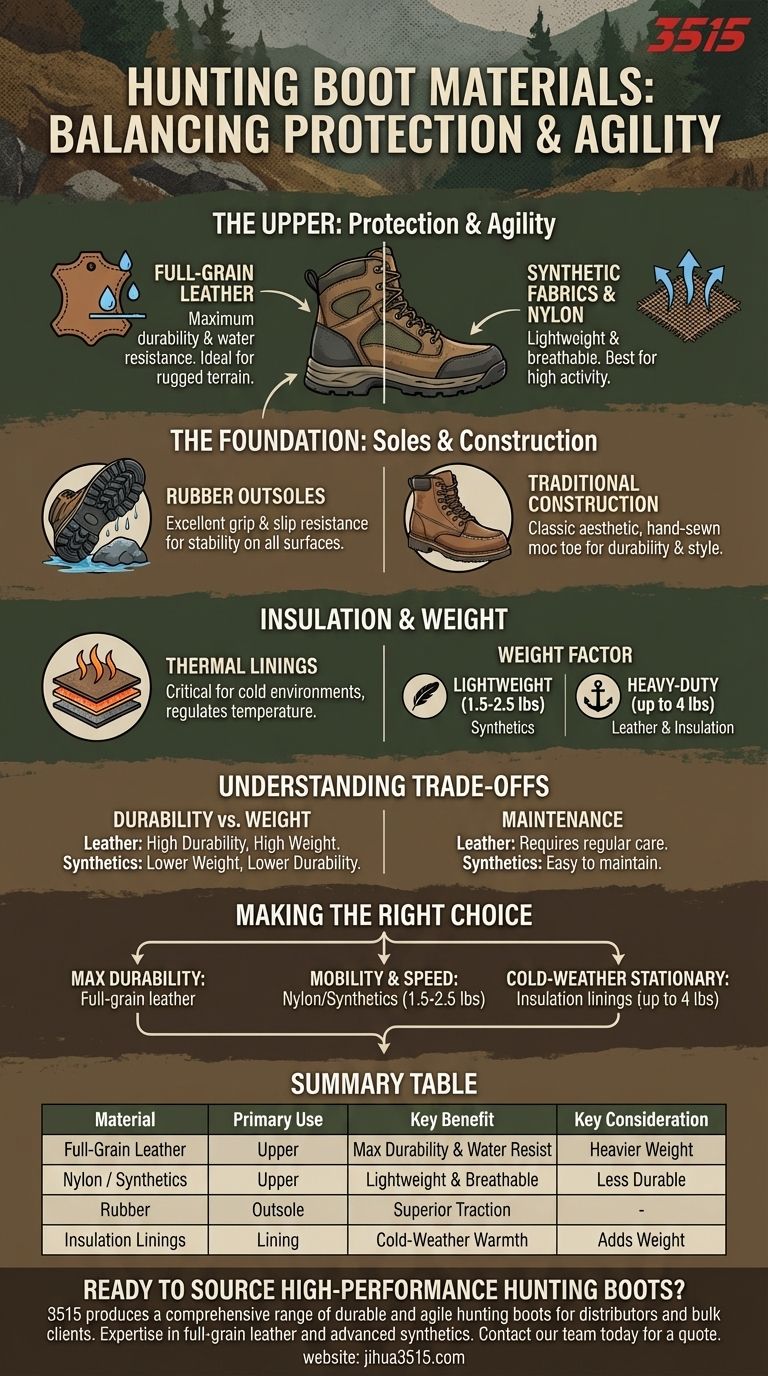
Visual Guide
Related Products
- Wholesale Lightweight Tactical Boots Custom Manufacturer for Desert & Combat Use
- High-Traction Suede Tactical Boots Wholesale & Custom Manufacturing
- Durable Leather Tactical Boots Wholesale & Custom Manufacturing for Brands
- Durable Military Combat Boots with Water Drainage for Wholesale & OEM
- Wholesale Waterproof Tactical Boots Custom Suede & High-Traction Soles
People Also Ask
- What are the common types of combat boots? Find the Right Boot for Your Mission
- What specialized protections do tactical boots offer? Maximize Endurance with High-Performance Footwear
- What is the role of high-frequency acquisition hardware in technical skill analysis for outdoor and tactical boots?
- What are the main construction similarities between tactical boots and tactical sneakers? Built for Performance & Durability
- How is the compatibility of polymer materials demonstrated in smart footwear? Enhancing Tactical & Training Performance